Champagne
Made in the Champagne region of northern France, and prized for its fine bead and its depth of flavour. Cépages has selected across the whole spectrum — from small growers to the great houses — with an eye to the character that comes from the principal grape varieties and from the level of dosage.
メゾンから選ぶ
造り手をお選びいただくと、そのメゾンの紹介と各キュヴェをご覧いただけます。

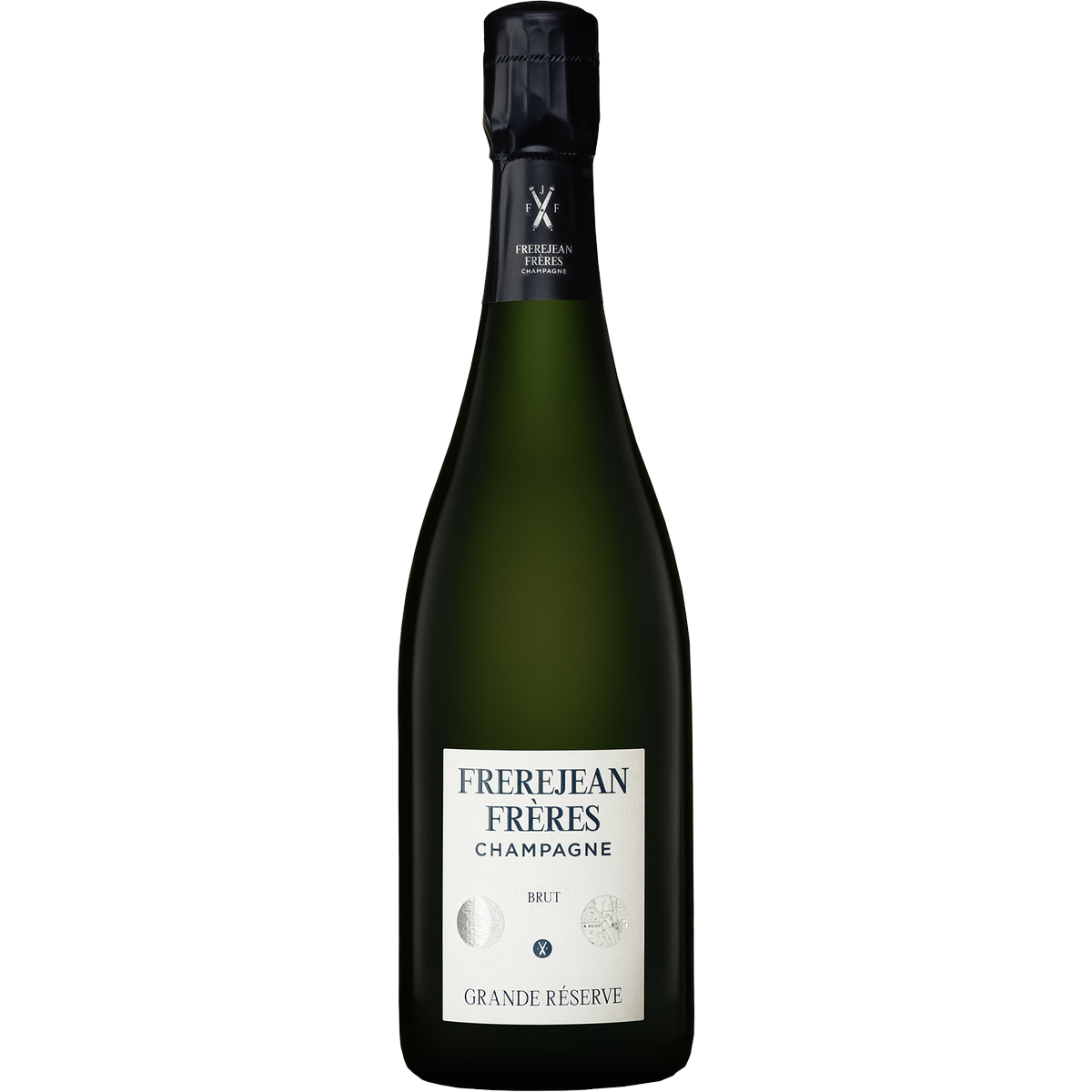
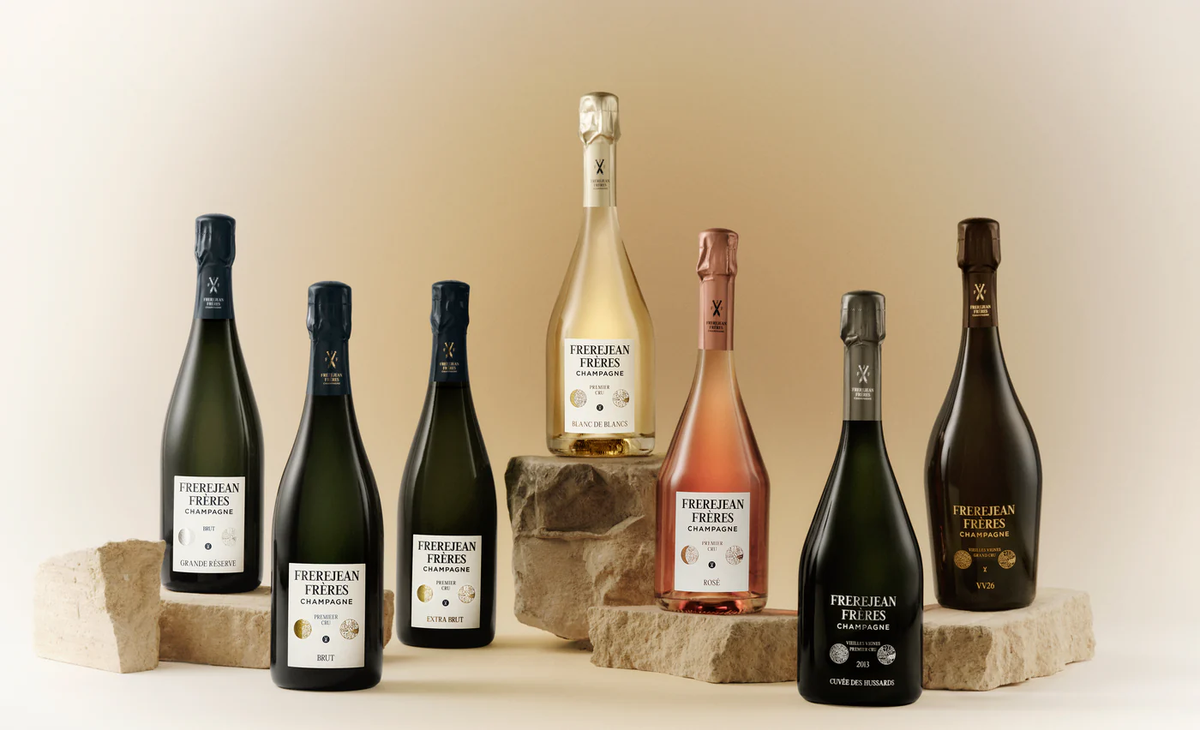
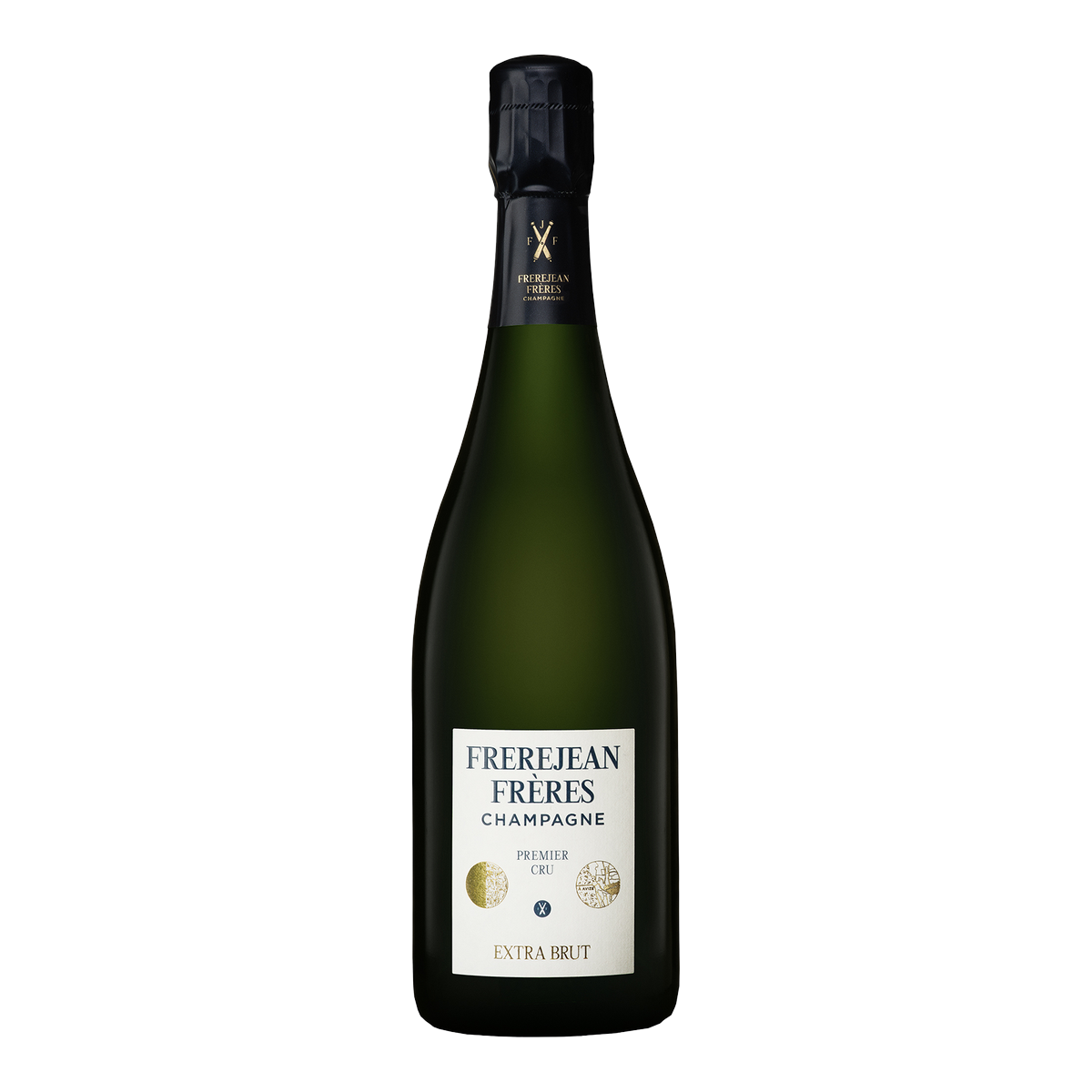
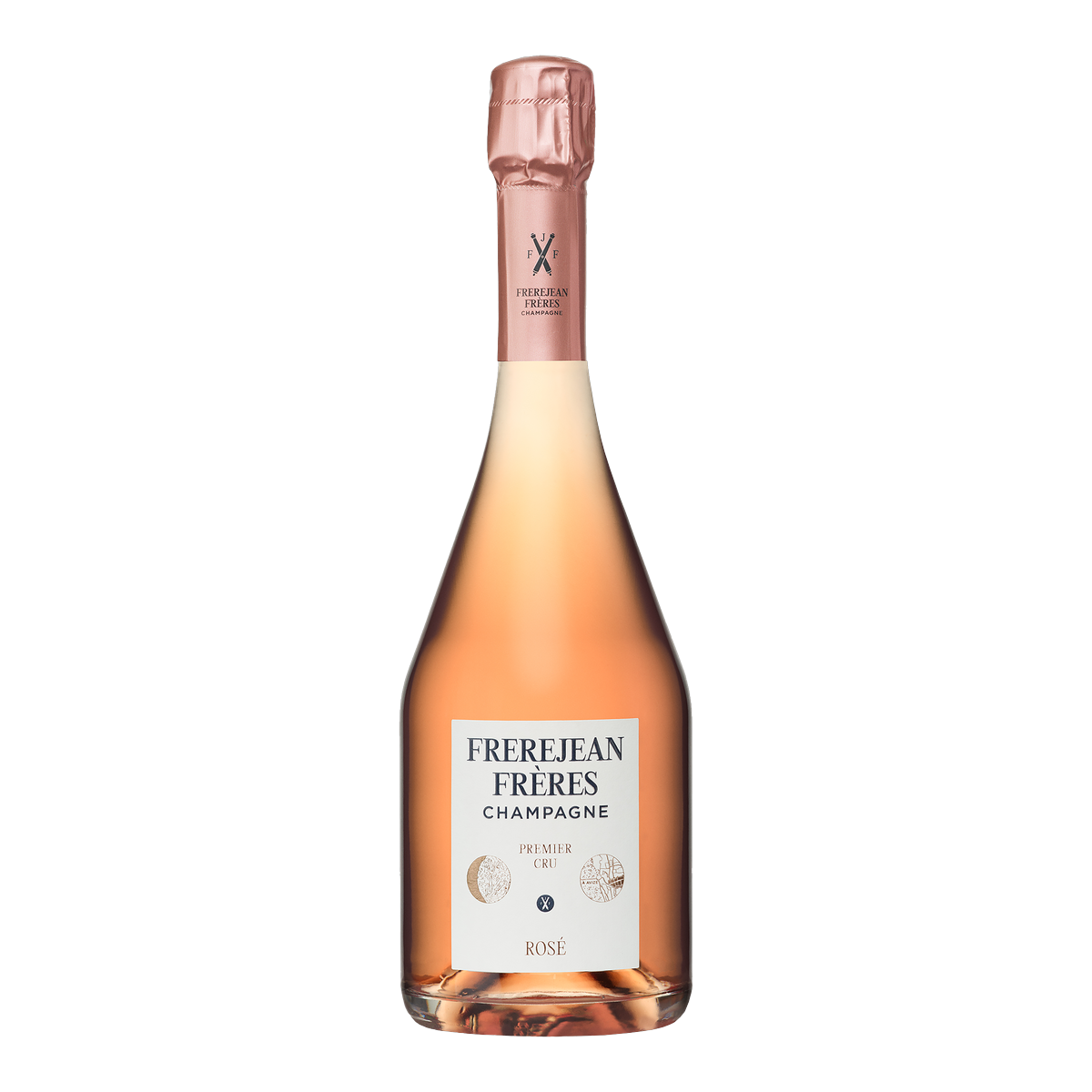
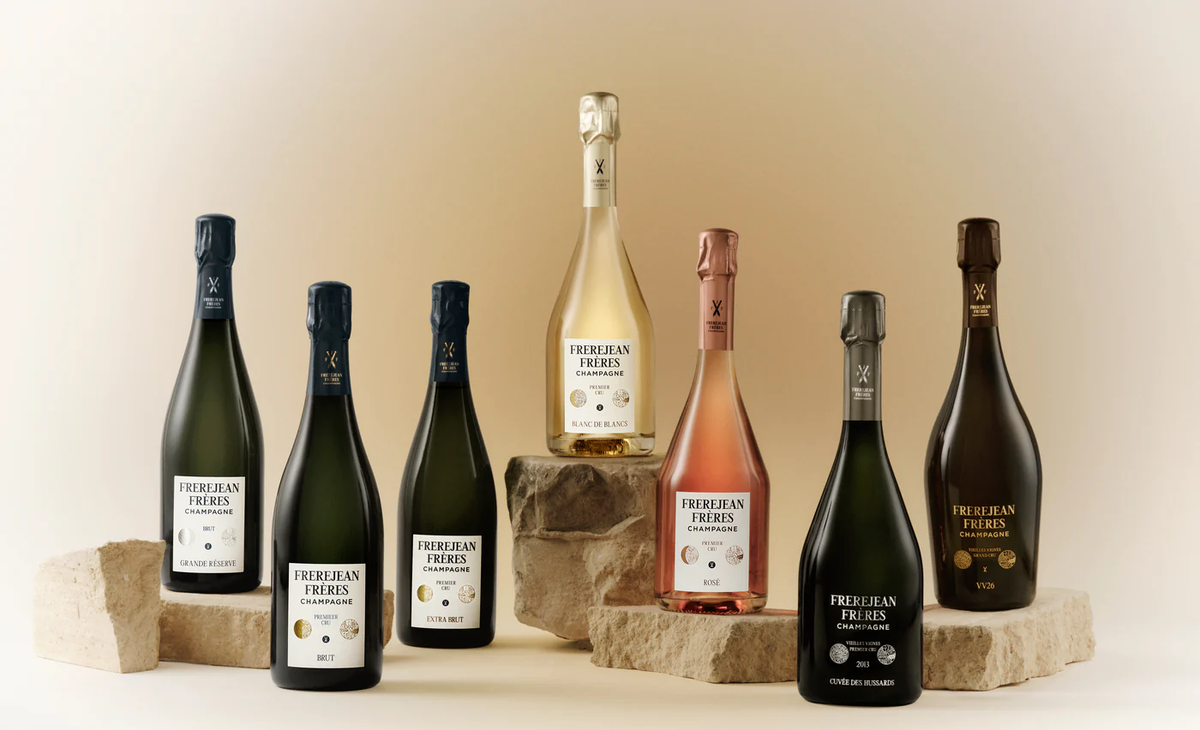
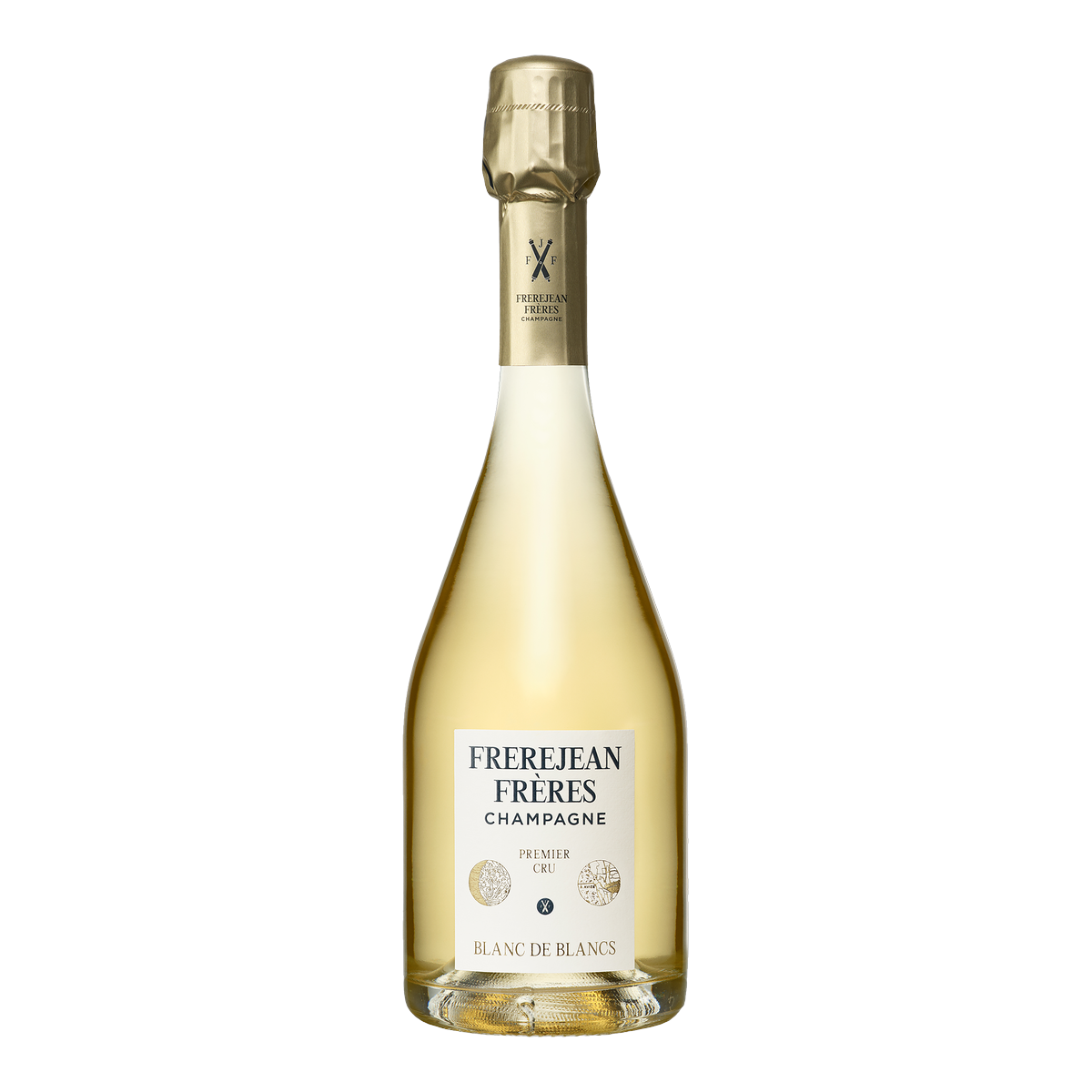
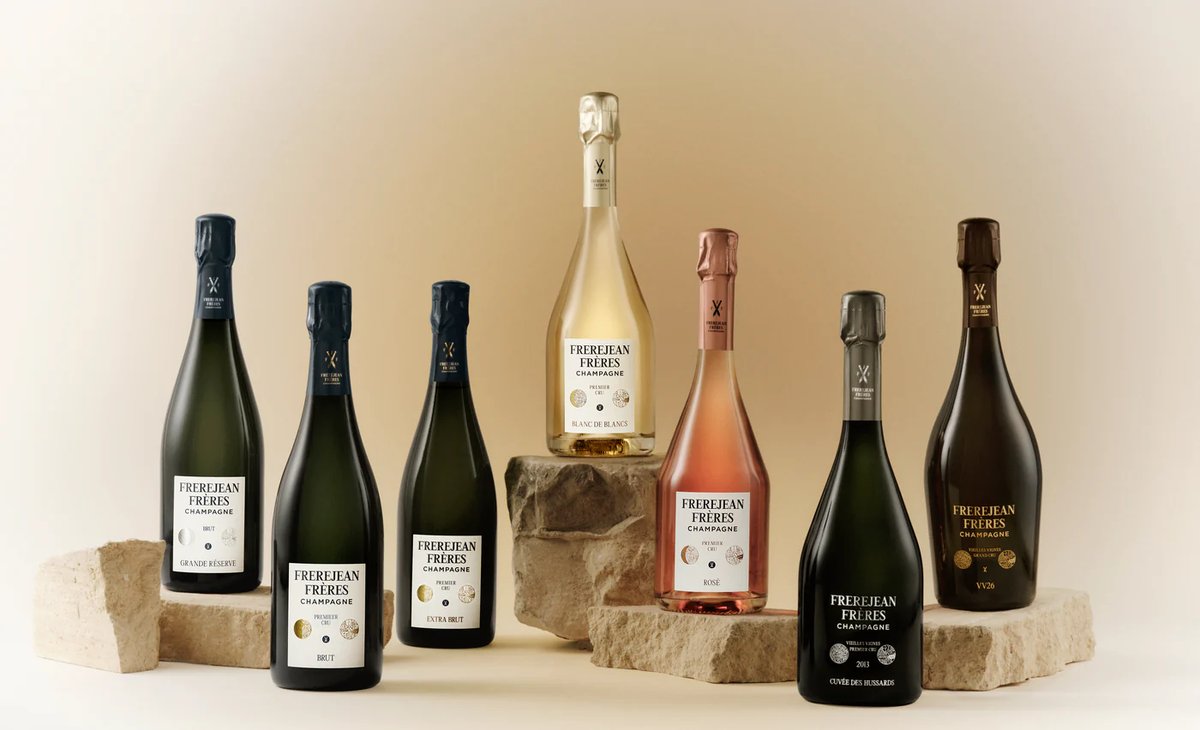
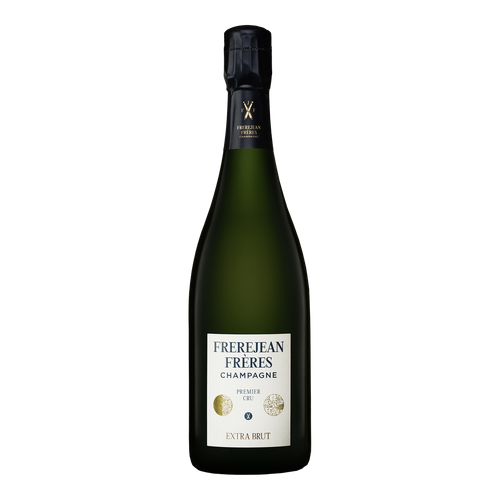
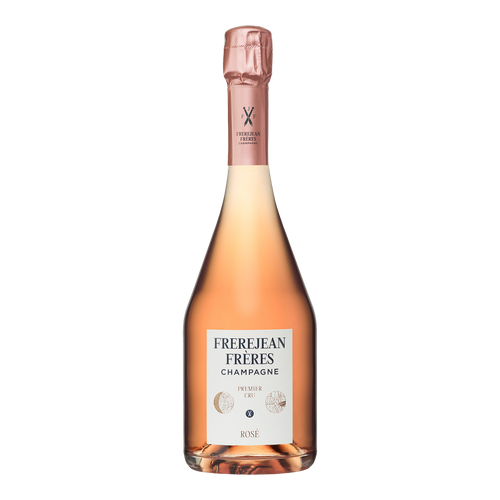
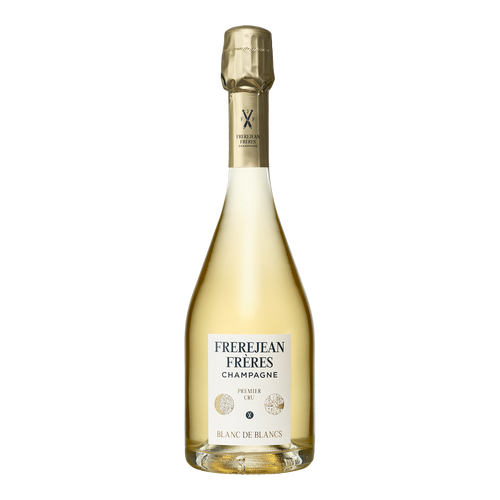
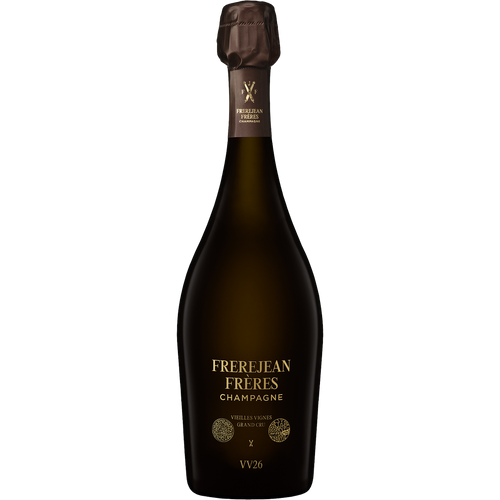
Champagne Frerejean Frères
[Time Reveals — the story of a pure effervescence]
Based in Avize, at the heart of the Côte des Blancs, Maison Frerejean Frères has made its name around the world as a producer of outstanding artisan champagne.
Brothers Guillaume and Rodolphe Frerejean-Taittinger, descendants of the Taittinger family and its great Champagne lineage, carry two traditions forward with equal passion.
One is the history they inherited; the other, an unwavering aesthetic that looks firmly to the present day. The meeting of the two is the essence of this house — an expression of the French art de vivre in its most beautiful bubbles.
Chardonnay and Pinot Noir, two noble varieties, are raised with respect for the terroir, with patience, and with real technical mastery. Every cuvée mirrors a pure expression of its place and tells a story of its own.
What sets the champagnes of Frerejean Frères apart is their finesse, their complexity and their elegance. Long, slow ageing on the lees gives the wines a rare depth and the unmistakable character of the house.
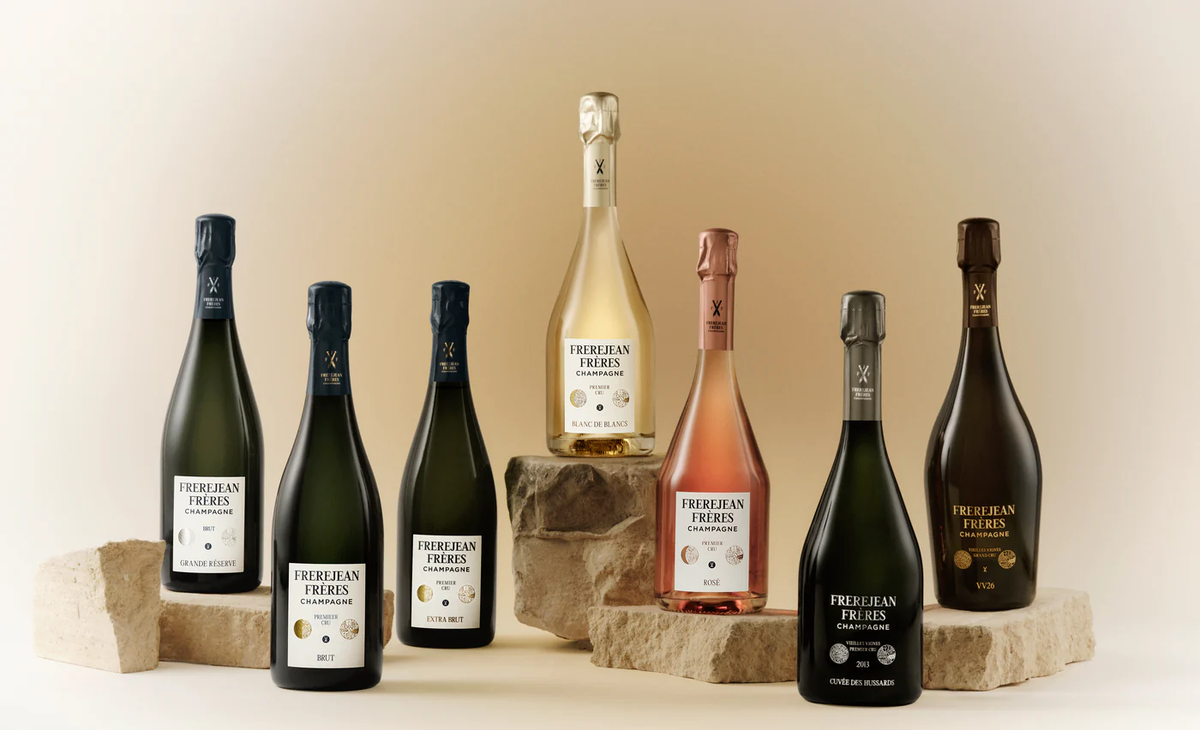
Bubbles polished by time arrive fine and tightly knit on the palate, leaving a generous finish behind them. From the emblematic Blanc de Blancs to the Grande Réserve Brut, every bottle is a succession of discoveries — a wine made for the moments worth toasting.
Poured into the glass, the delicate rising bead speaks quietly of the pure minerality drawn from the chalk of the Côte des Blancs, and of the richness that only long ageing can bring.
"Time Reveals" is the philosophy Frerejean Frères lives by, and the heart of how they work.
Never rush; entrust the wine to time, the finest craftsman of all. The champagne that results is singular — a family legacy and a genuine modernity in perfect accord. Deep respect for tradition, and an open sensibility toward a new era.
Between the two, Frerejean Frères goes on producing the most beautiful effervescence of all. We invite you to taste that pure expression of Chardonnay, and the story this house tells, in your own glass.




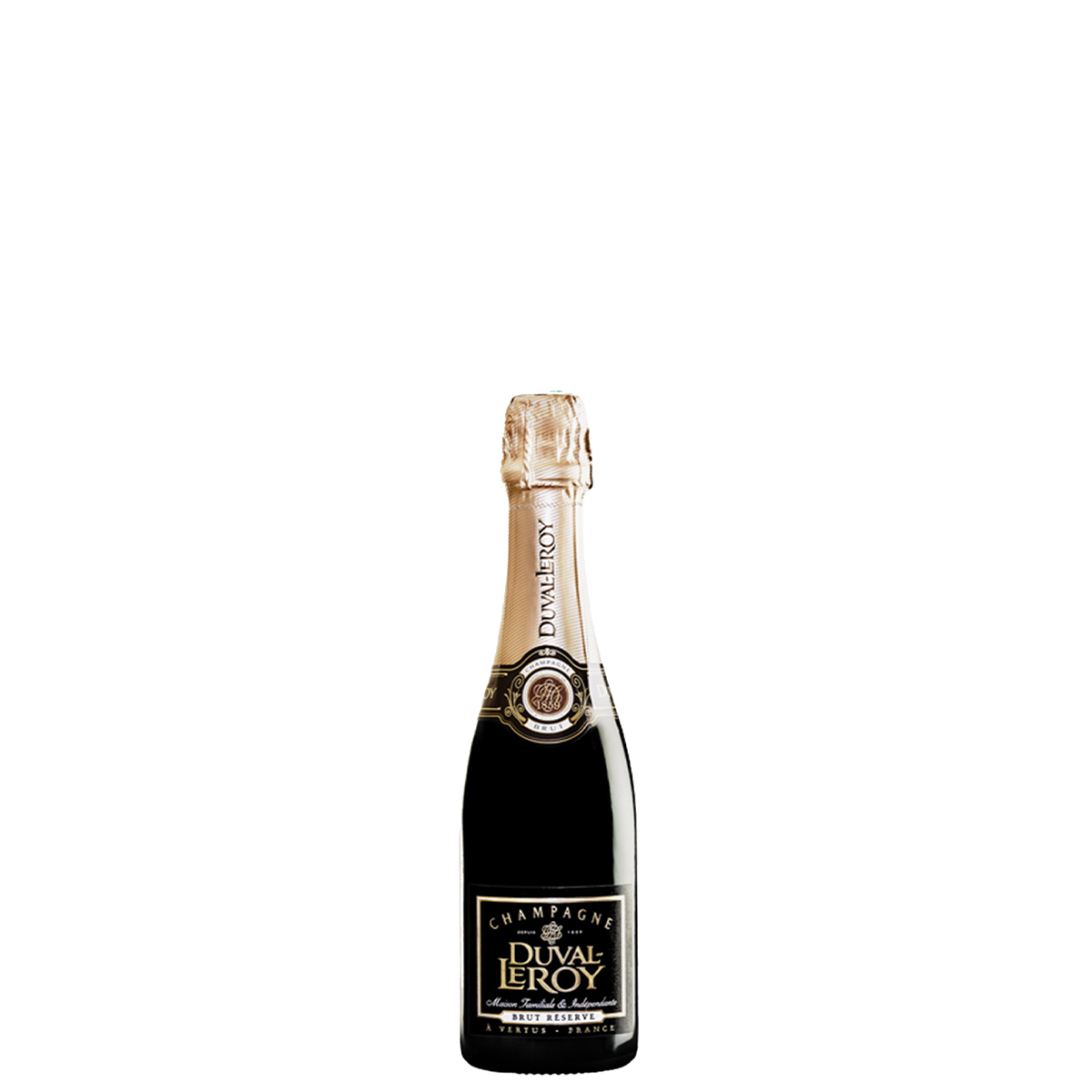
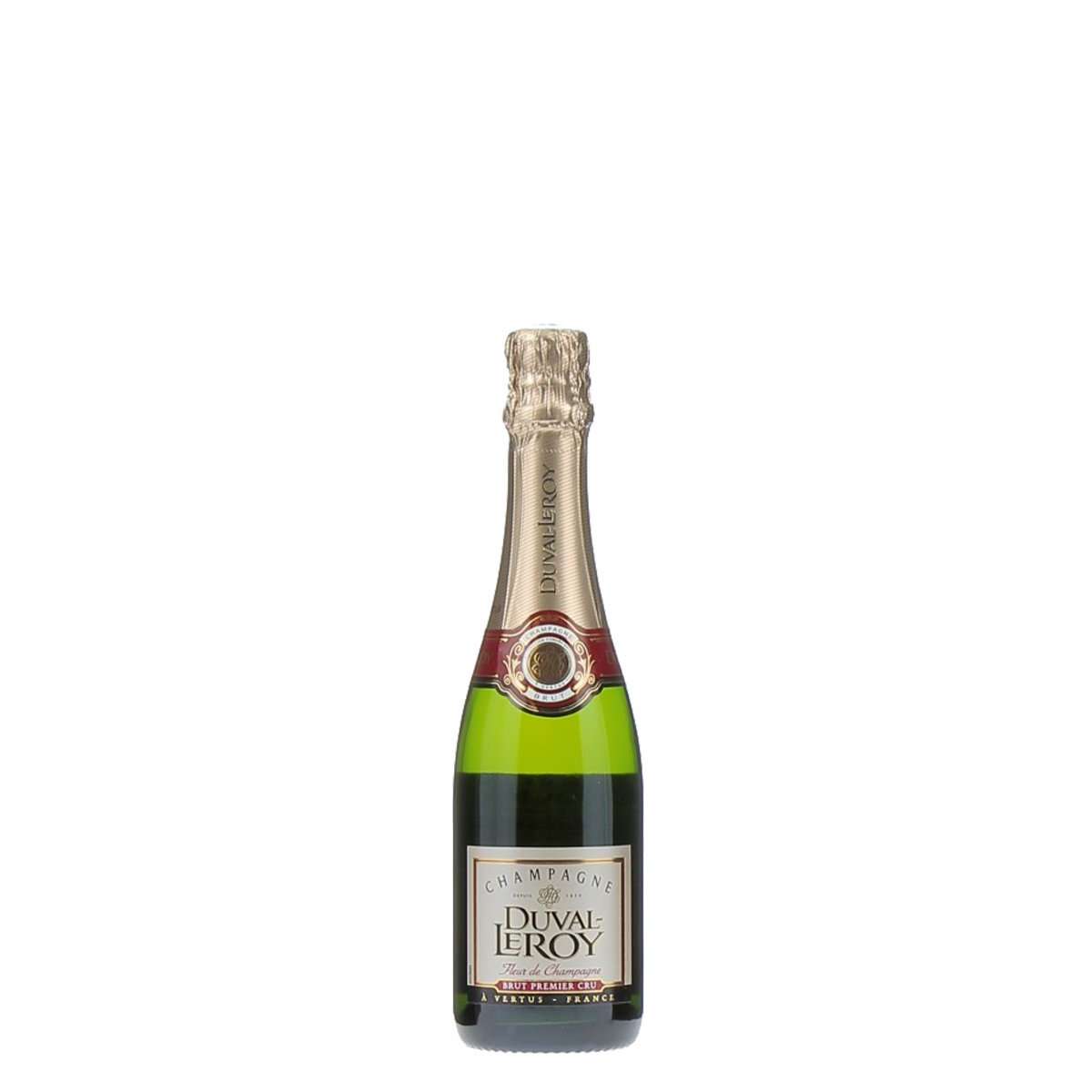
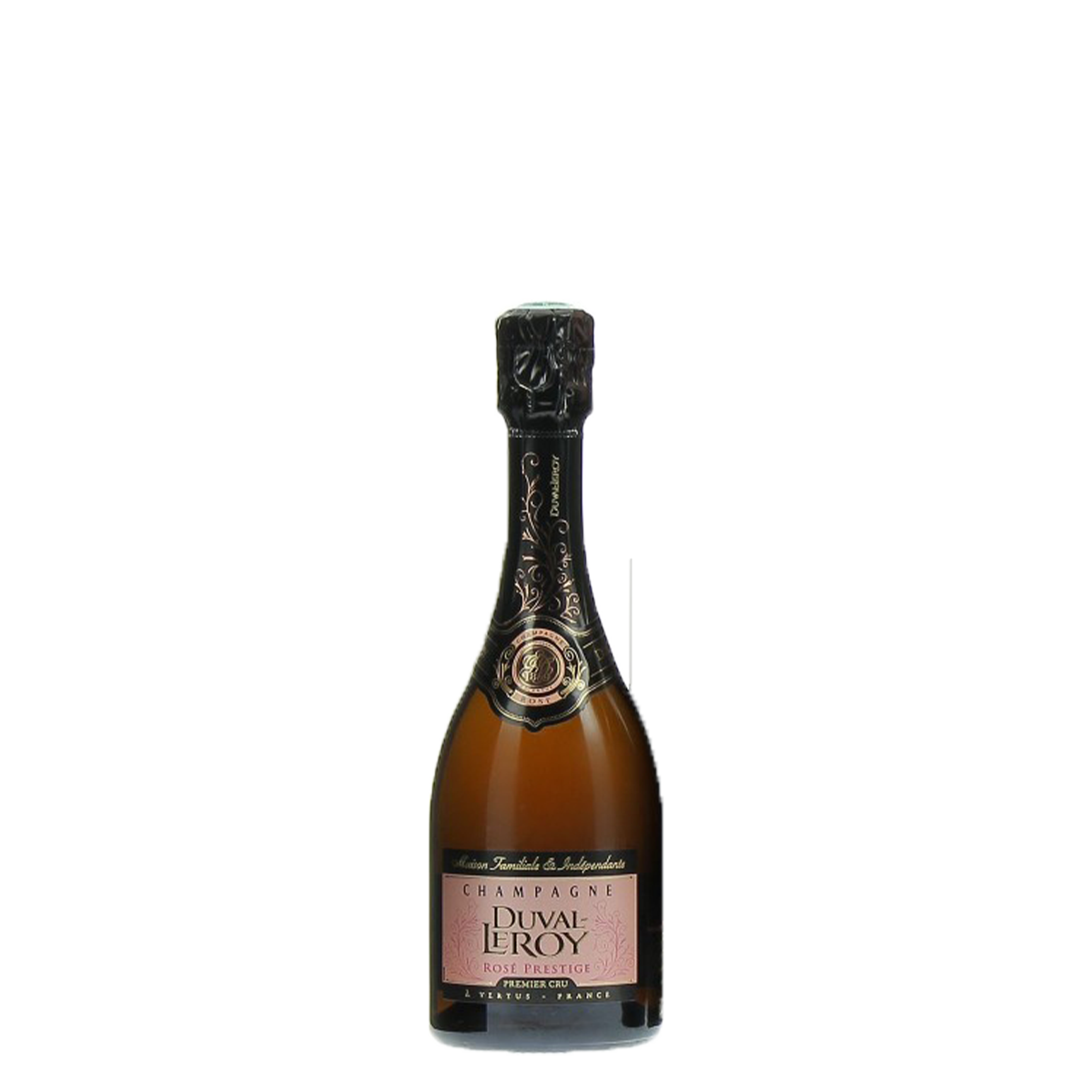
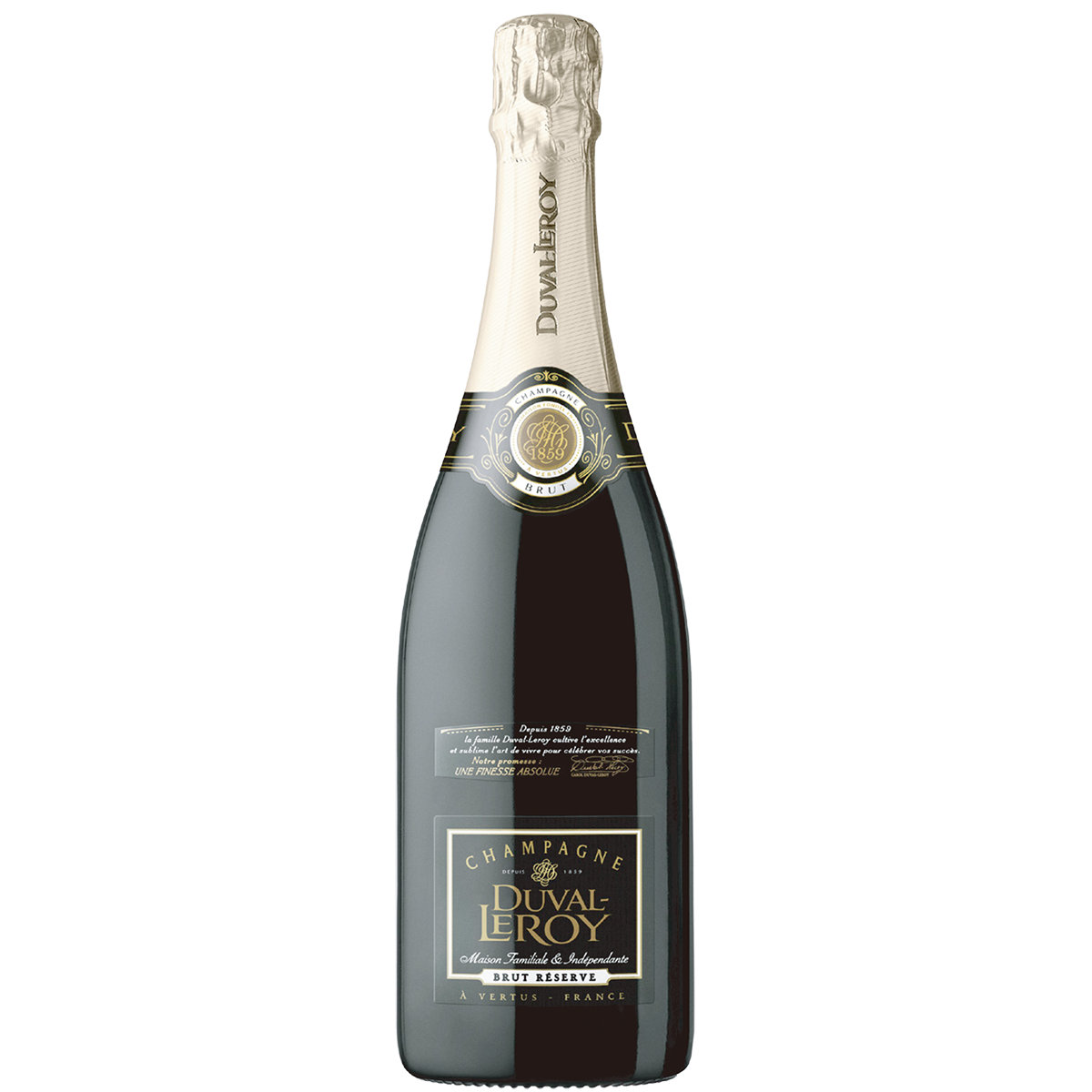
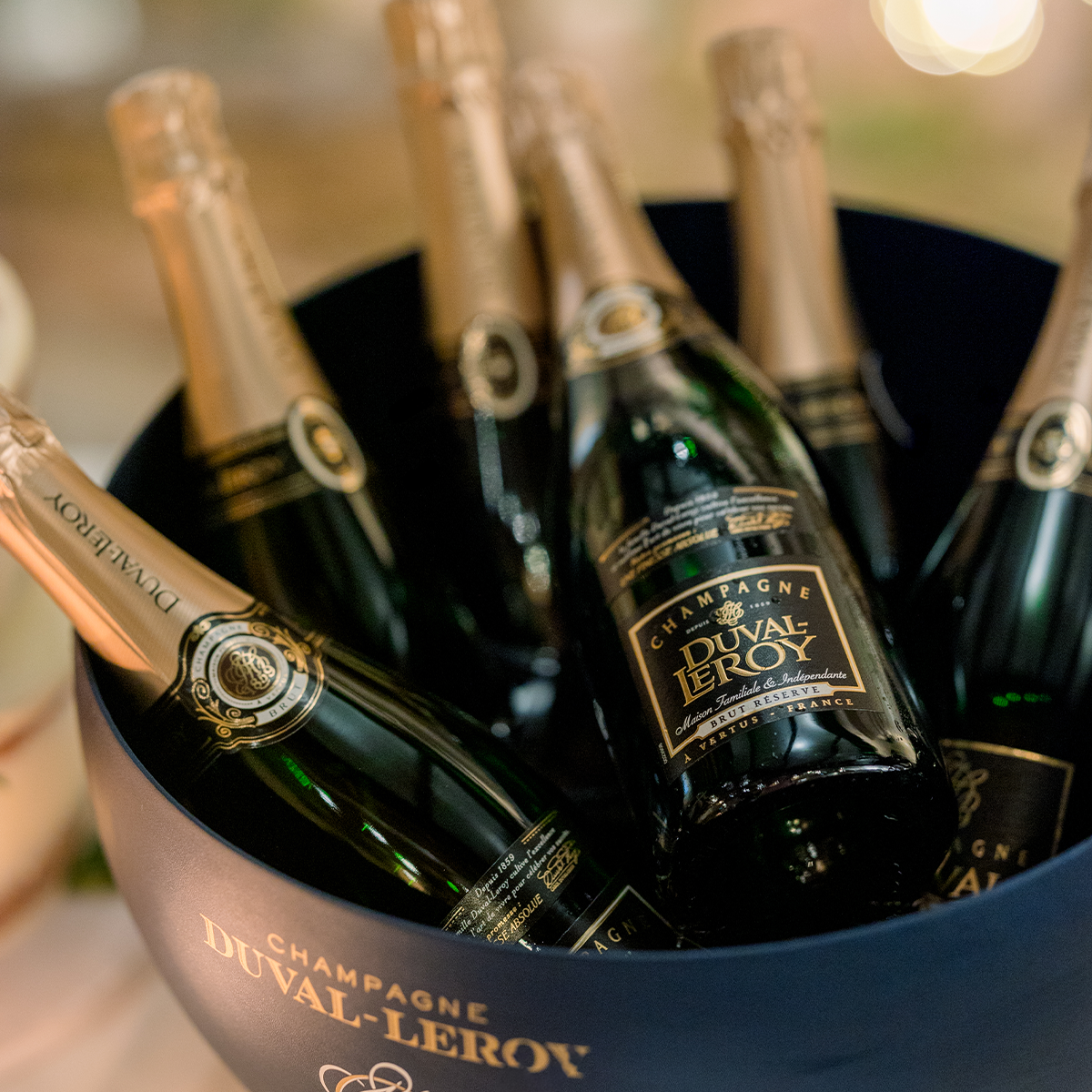
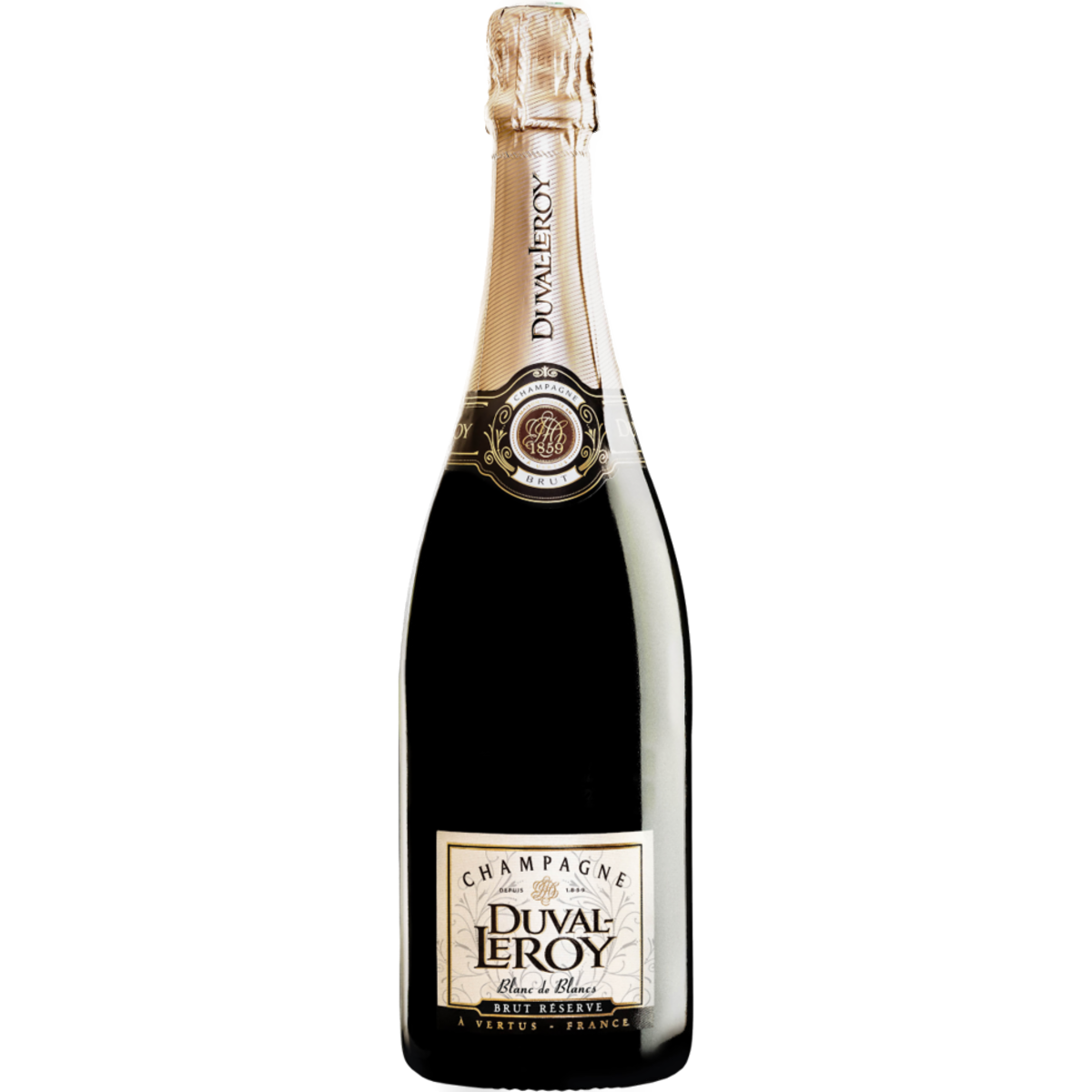
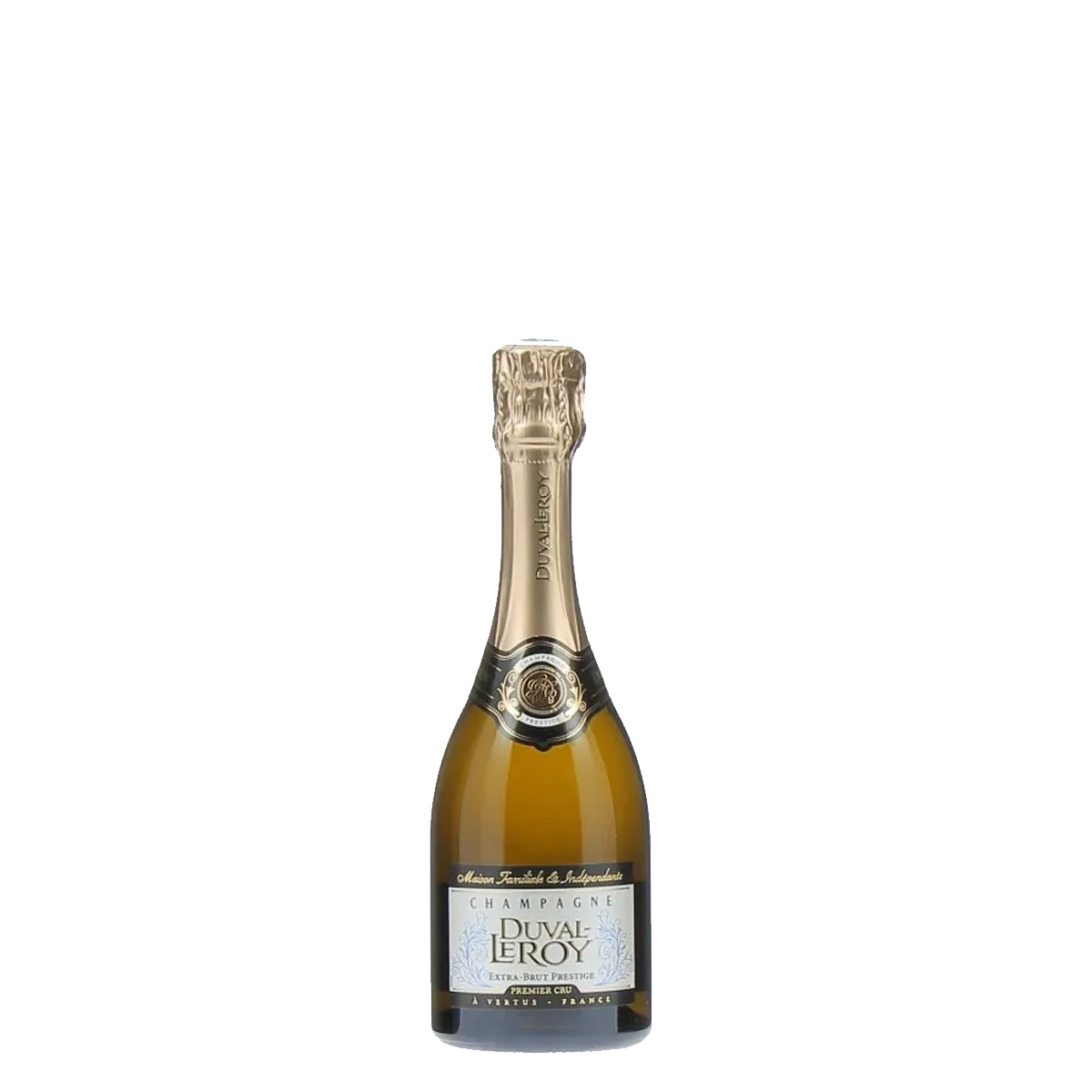
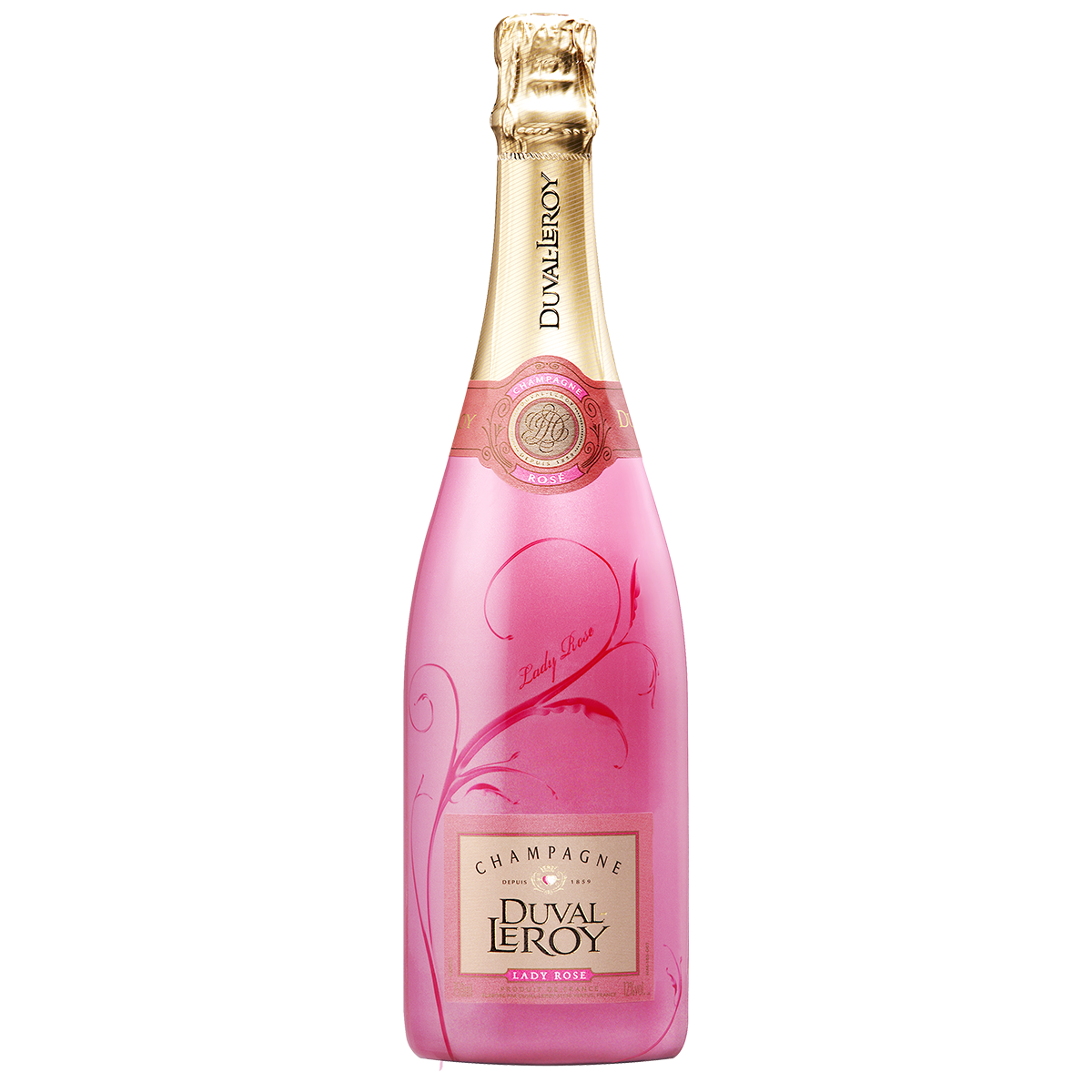
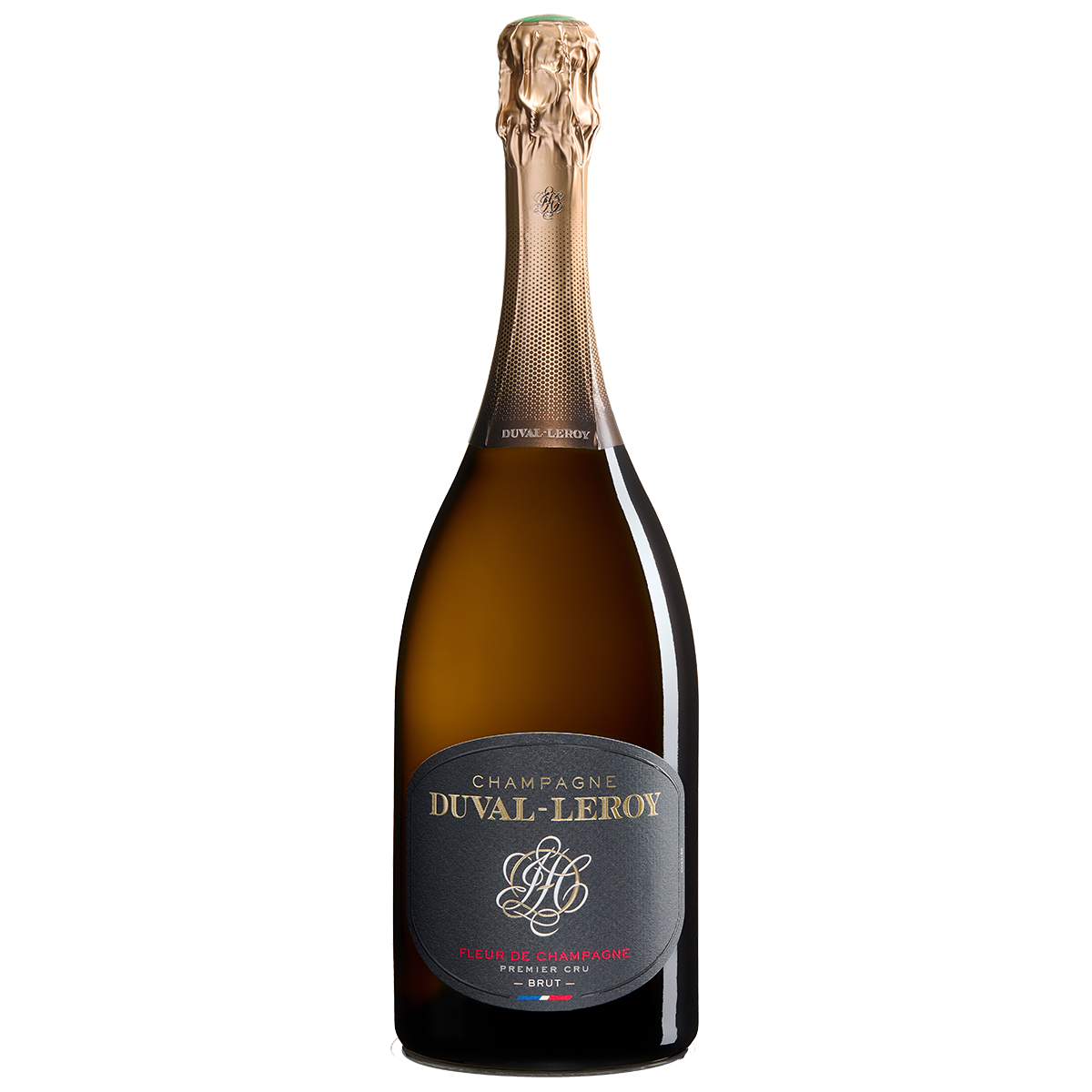
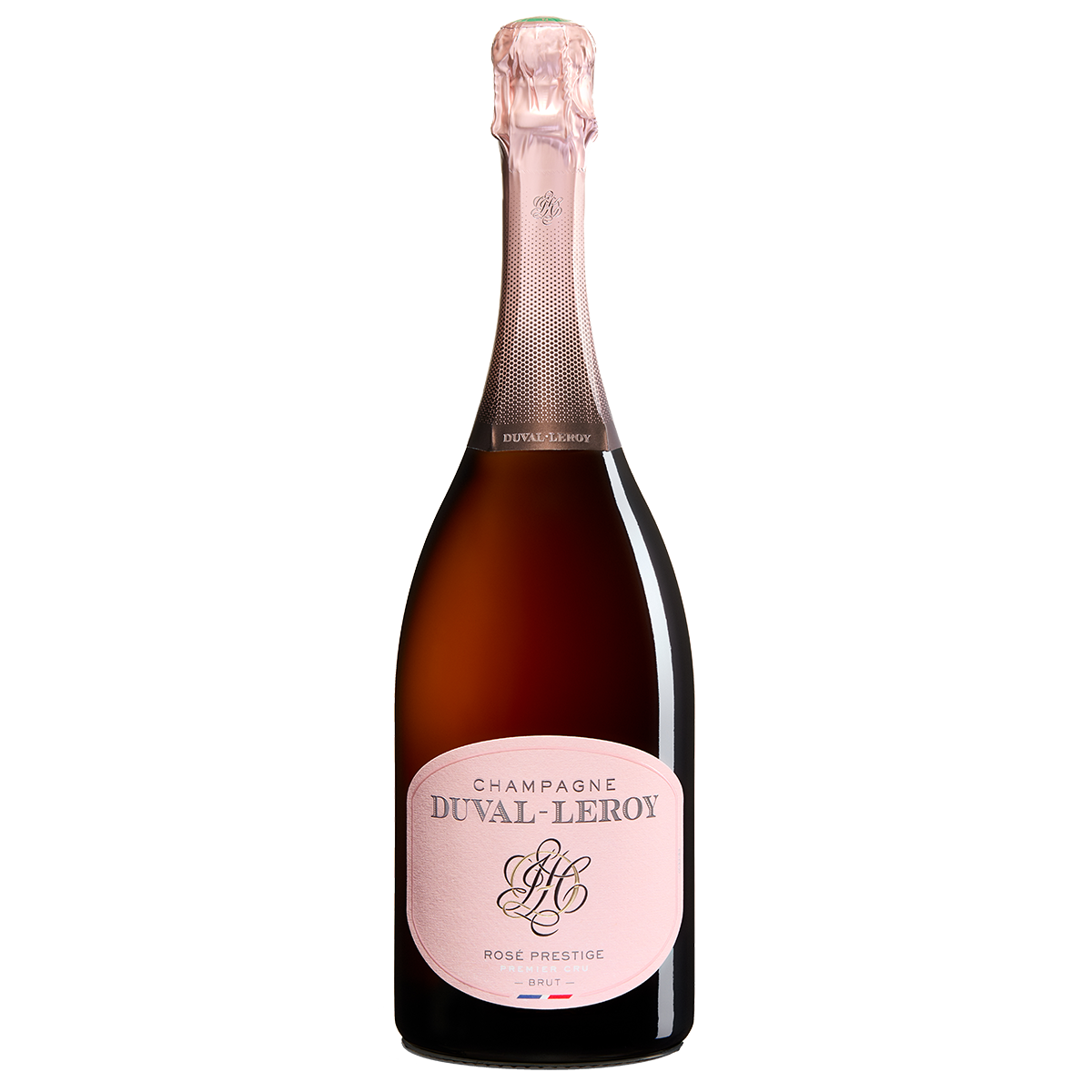
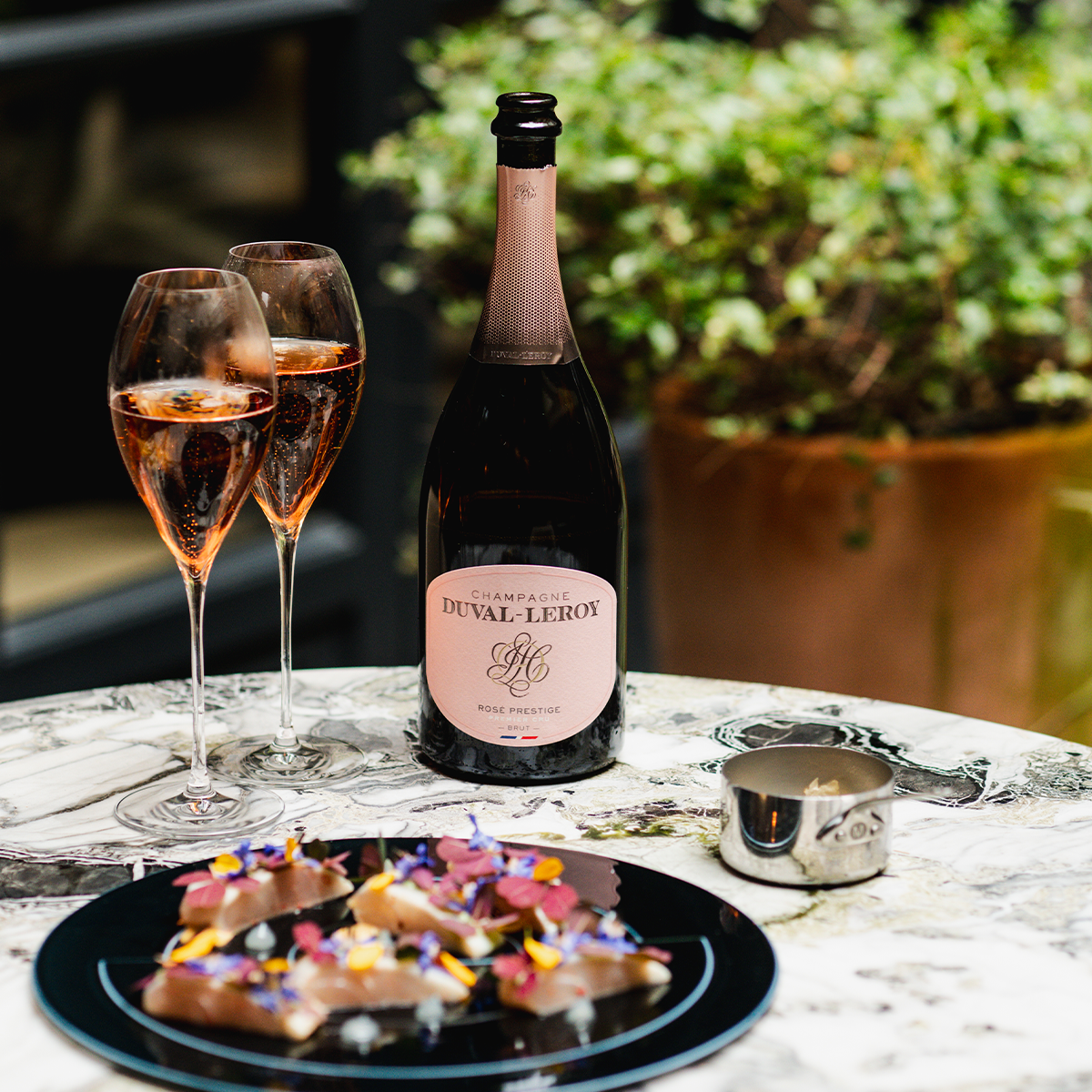
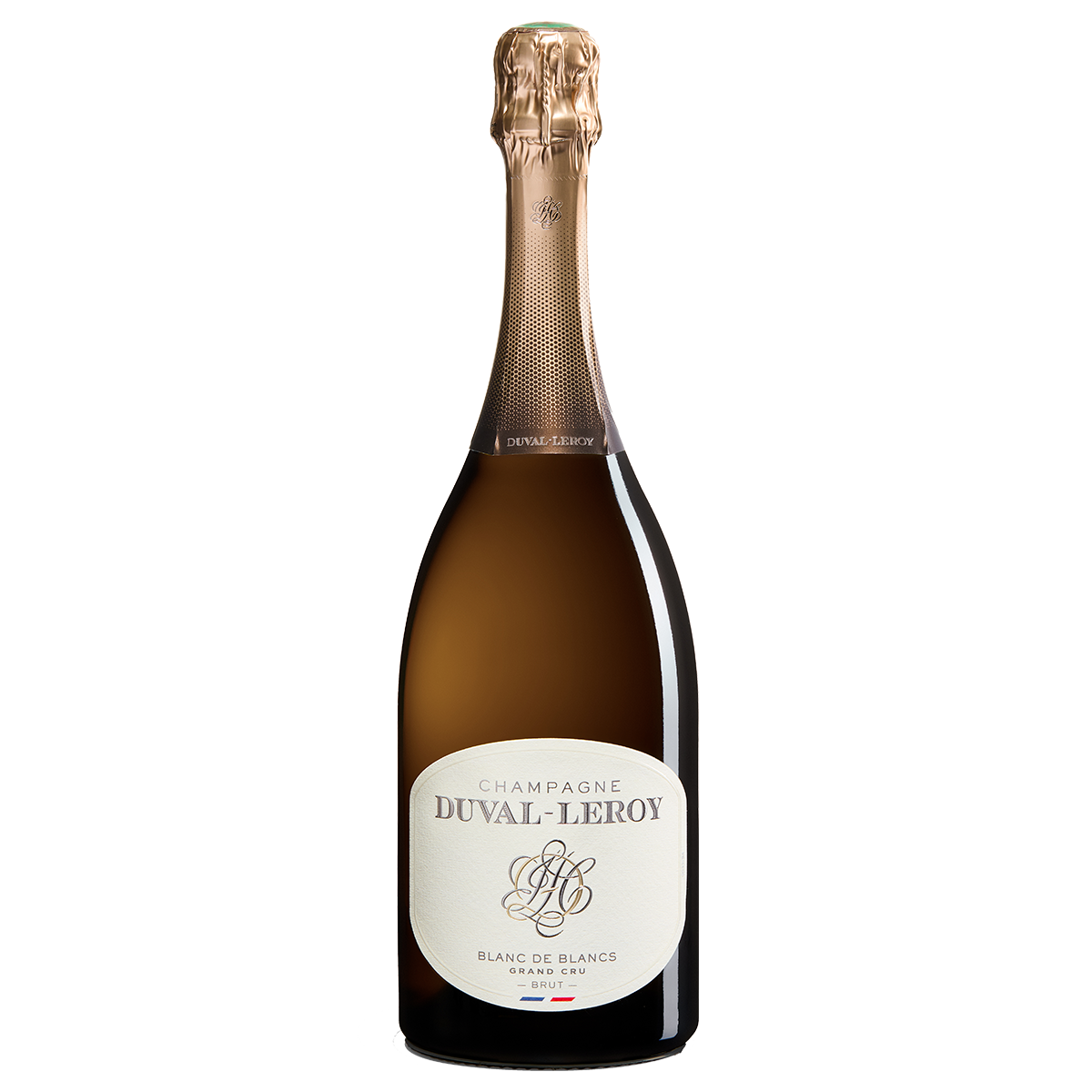
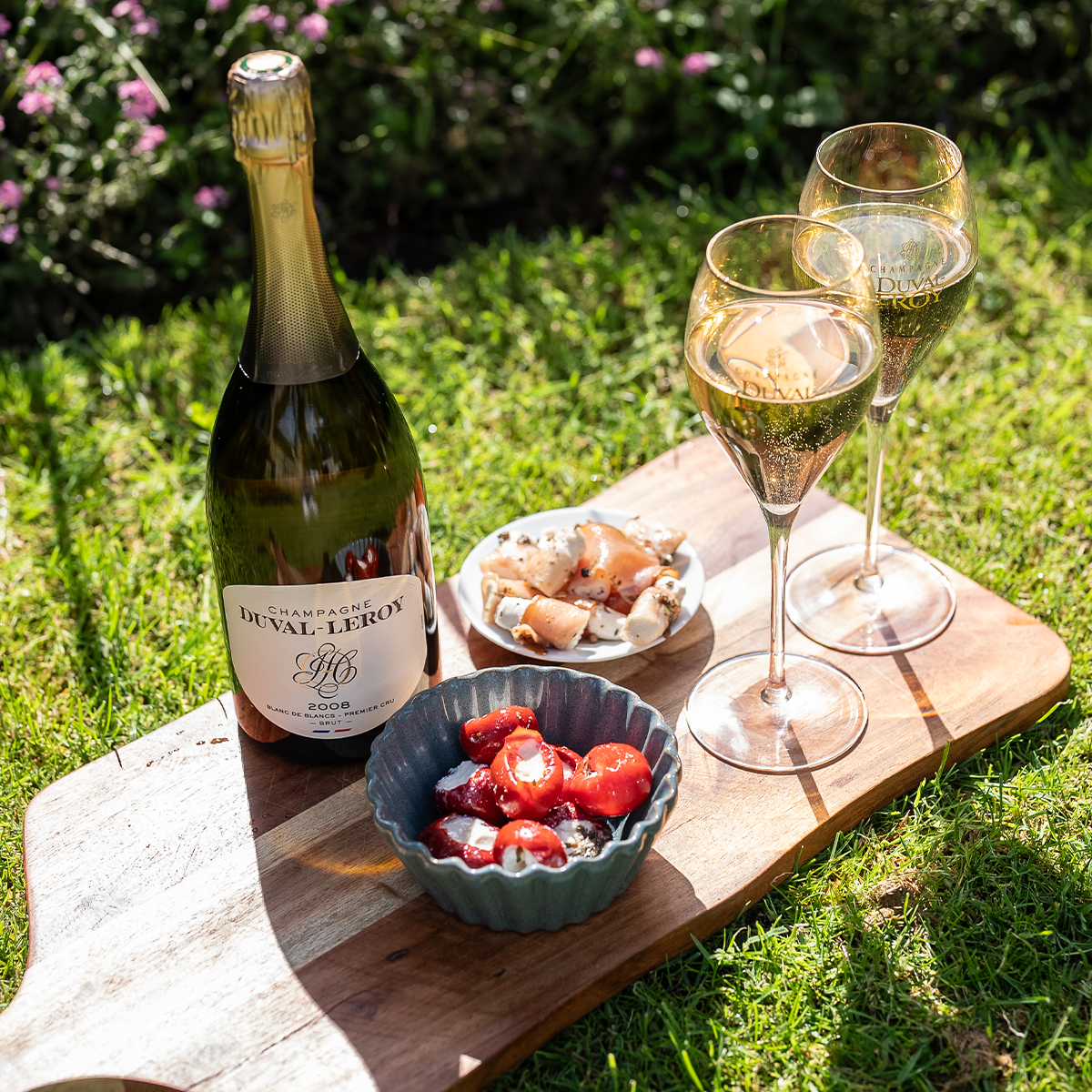
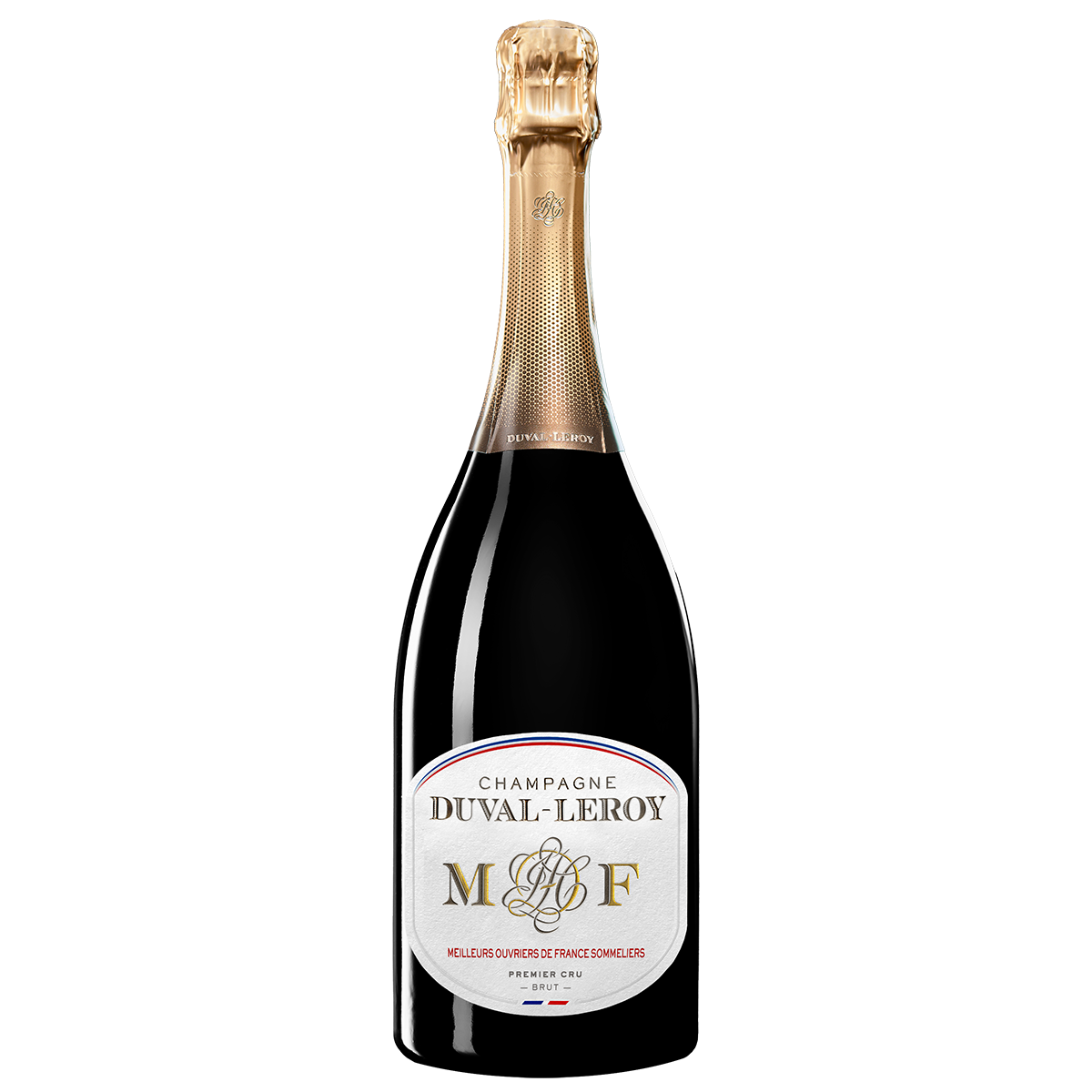
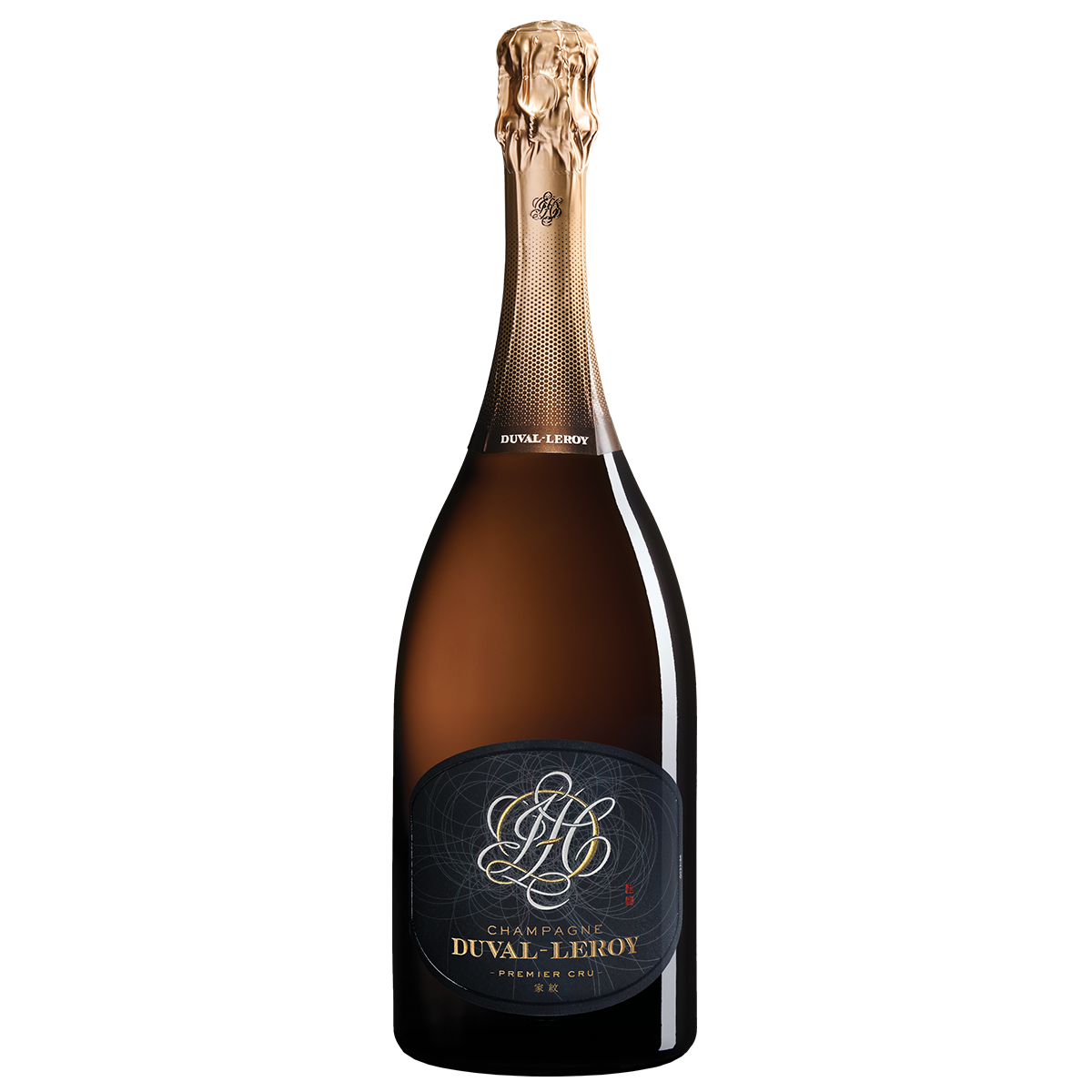
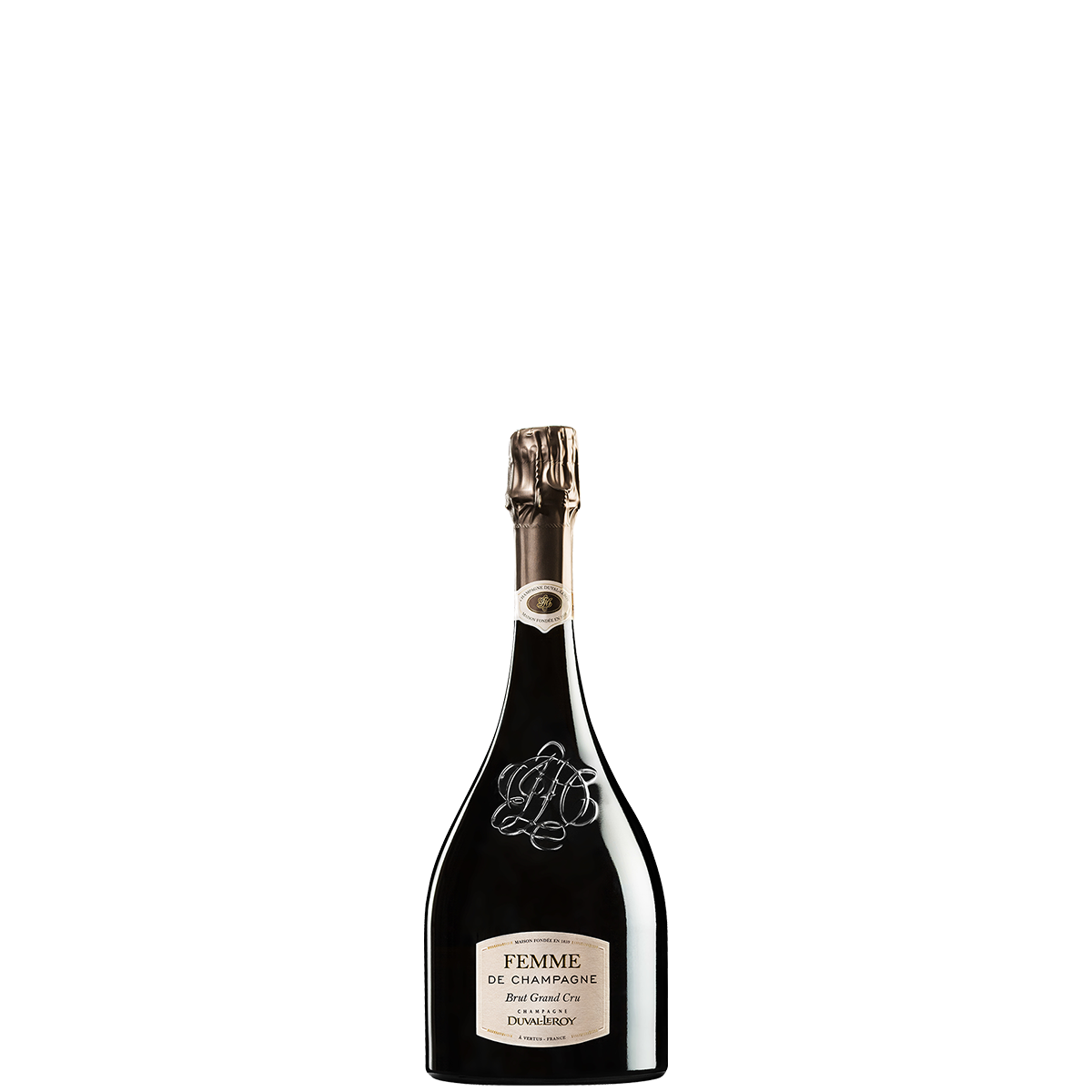
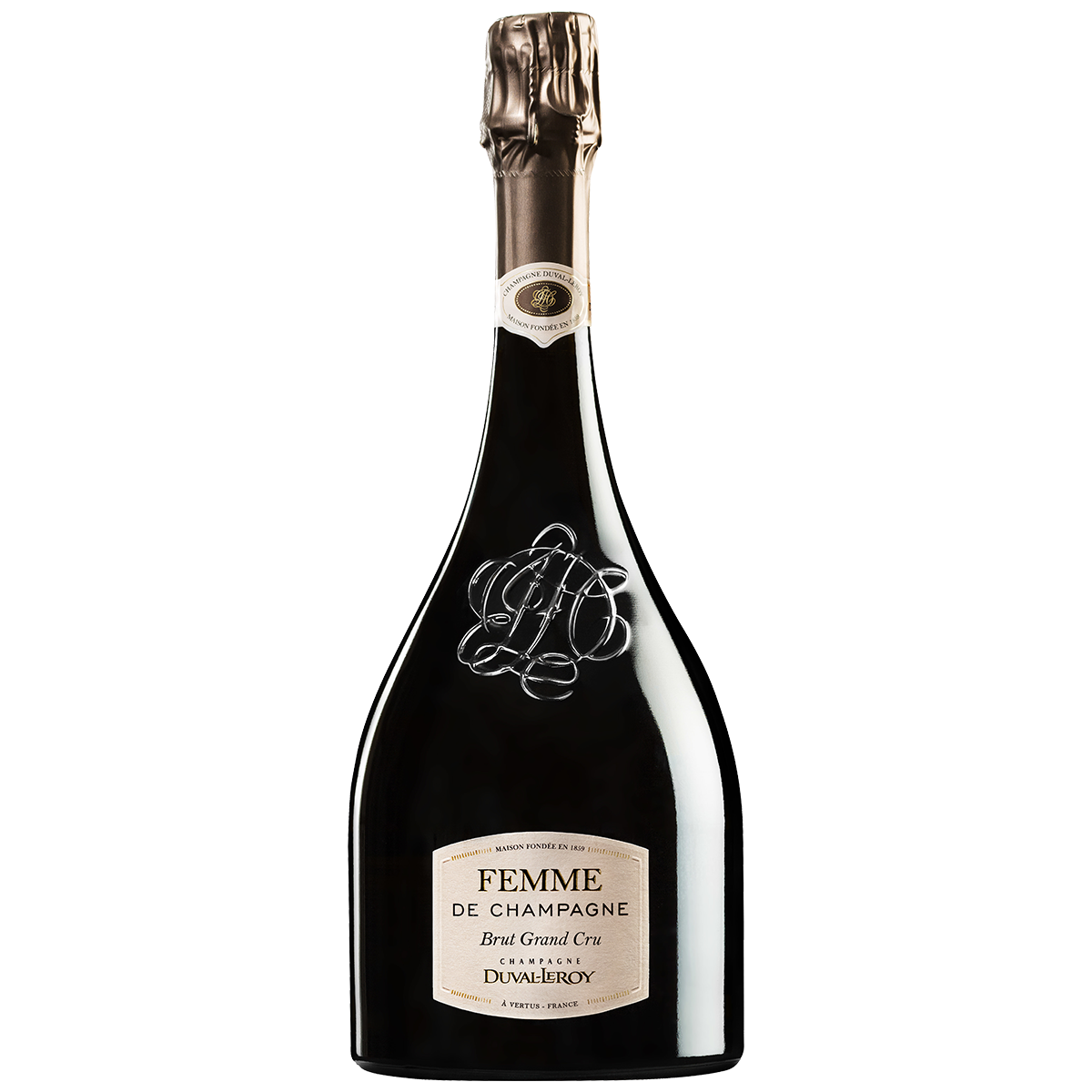
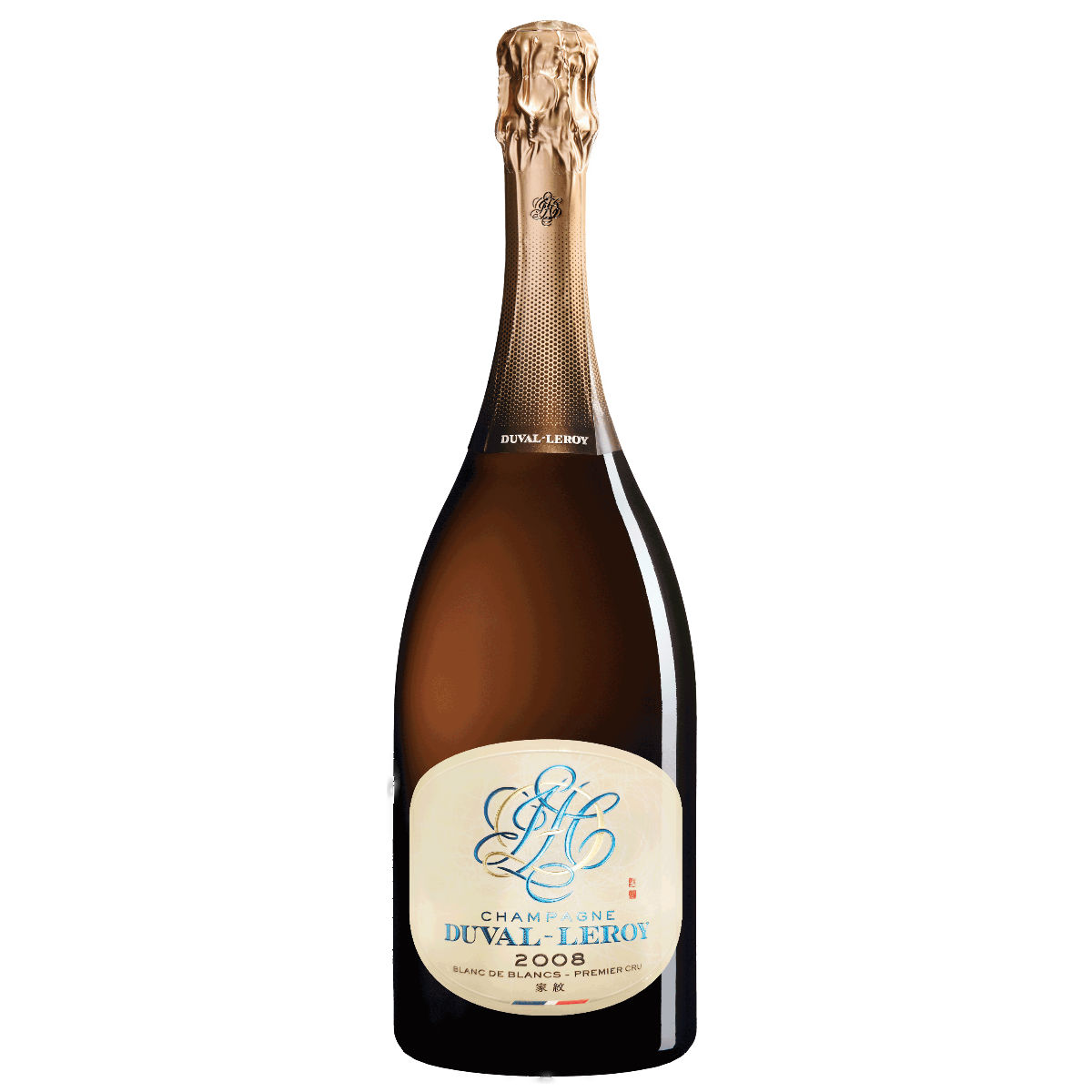
Maison Duval-Leroy
【A house that pursues quality through innovation】
In 1855, having witnessed the first, unofficial classification of Champagne, the Champagne merchant Armand Leroy came to a realisation: outstanding Champagne demands unbroken control of quality from the vine right through to the finished wine.
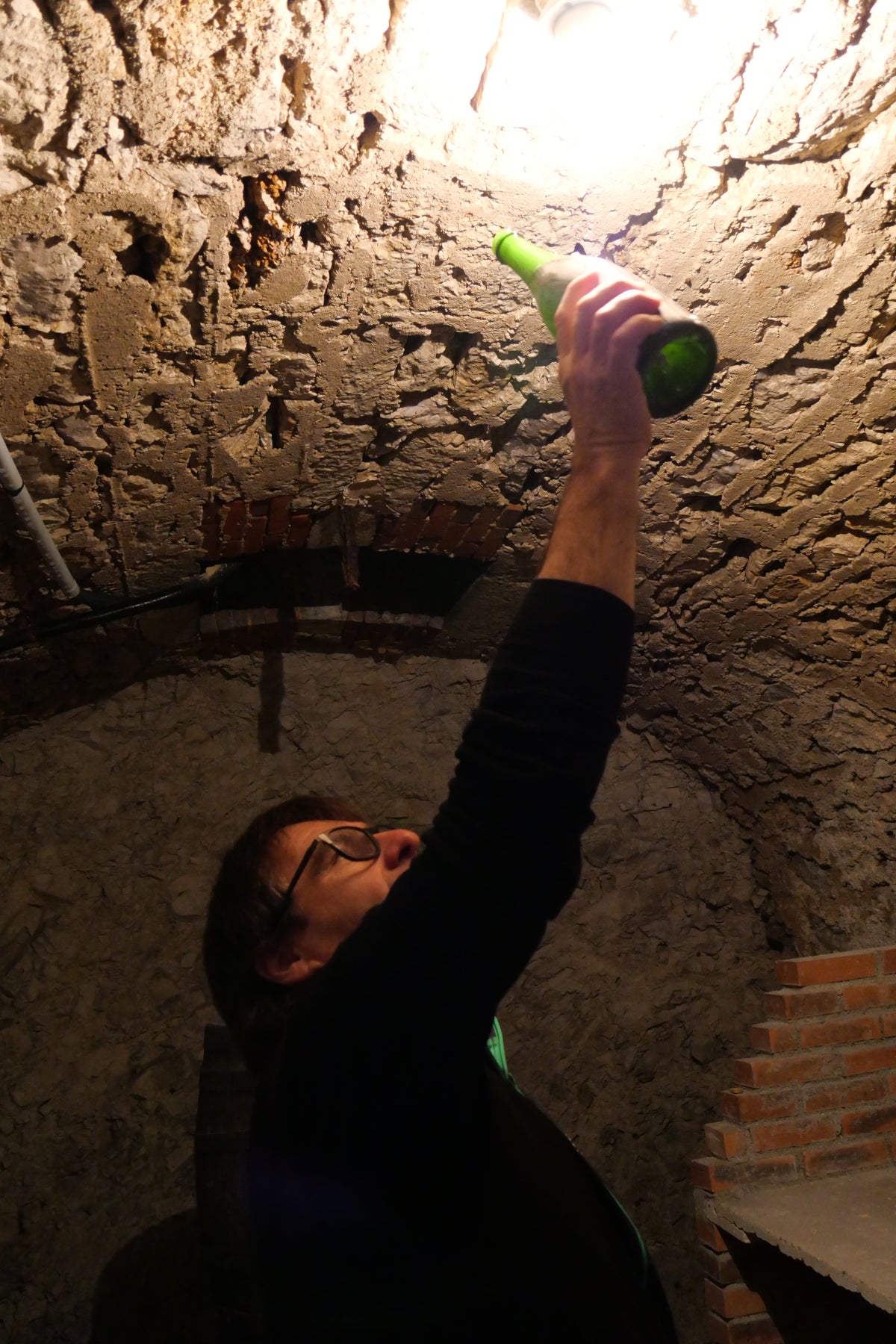
He took his time finding a winemaking partner, and in 1859, together with the like-minded Duval family, he founded Duval-Leroy at Vertus, at the southern end of the Côte des Blancs.
Ever since, the house has continued to buy sunlit hillside parcels across the districts of Champagne, and it has now passed through six generations. An independent Champagne producer belonging to no larger group, Duval-Leroy owns 200 hectares of Premier Cru and Grand Cru vineyard in the Montagne de Reims and the Côte des Blancs, and in the Côte des Blancs in particular it is known as one of the largest holders of Premier Cru land.
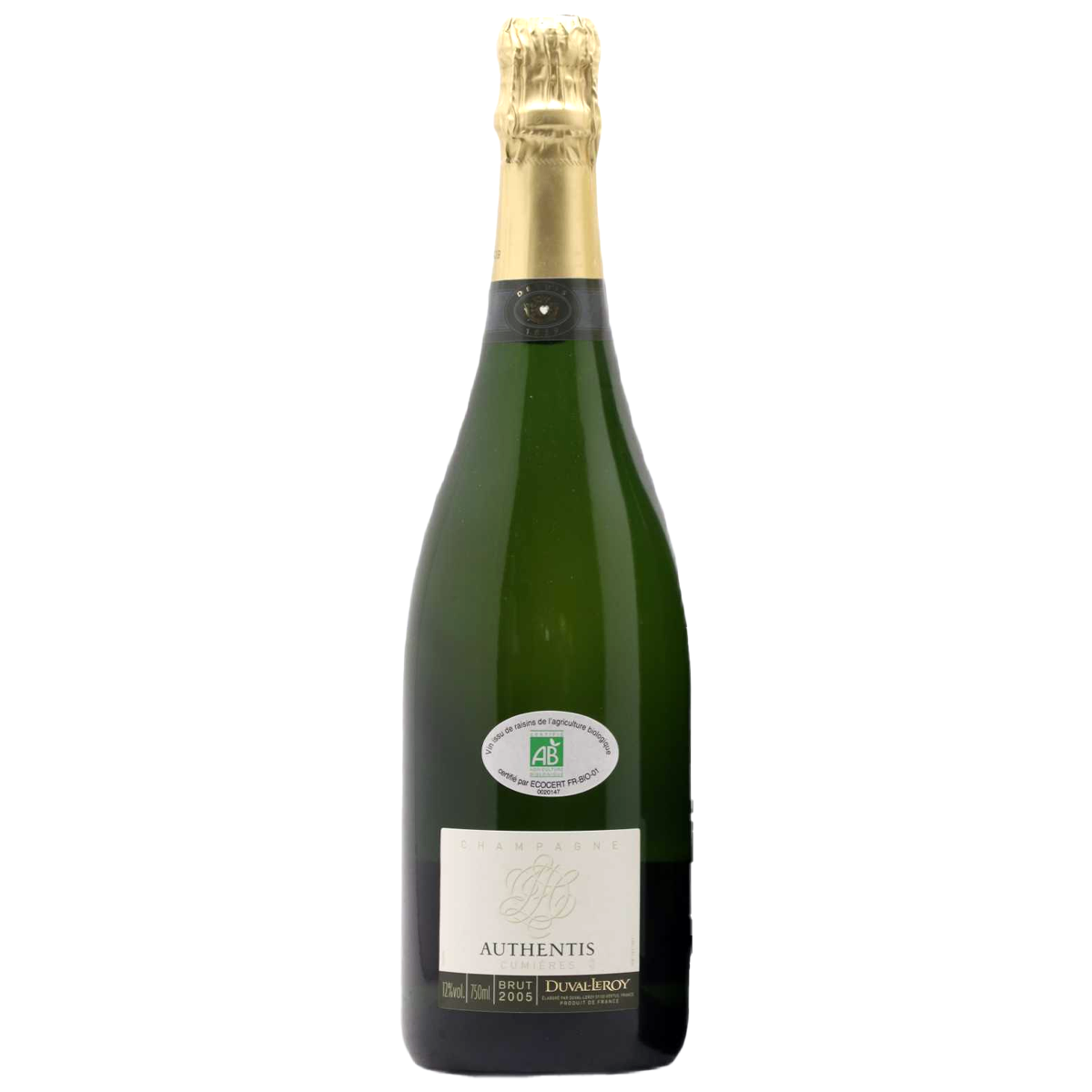
The advantage of such an abundant supply of first-rate fruit can be tasted in the quality and consistency of the non-vintage cuvées. As a négociant-manipulant the house holds organic certification from Ecocert, and it was the first of the major houses to release a Champagne made from certified organic grapes.
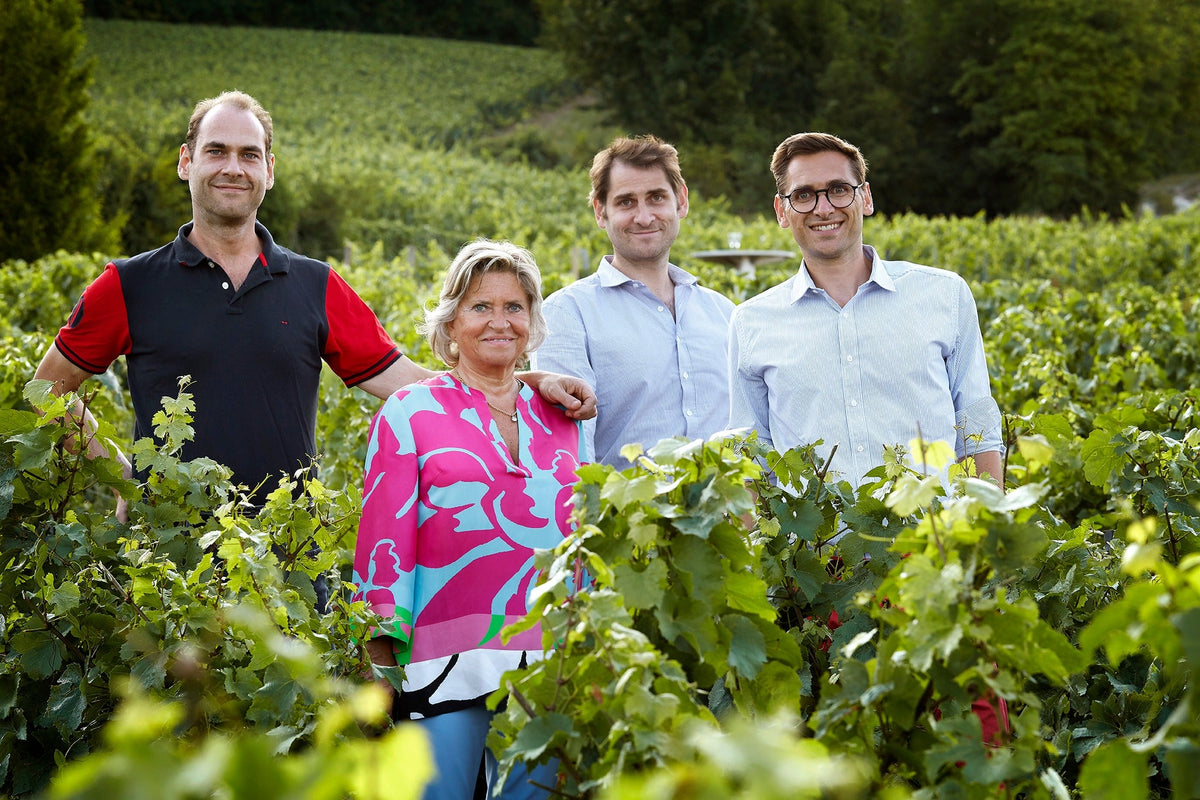
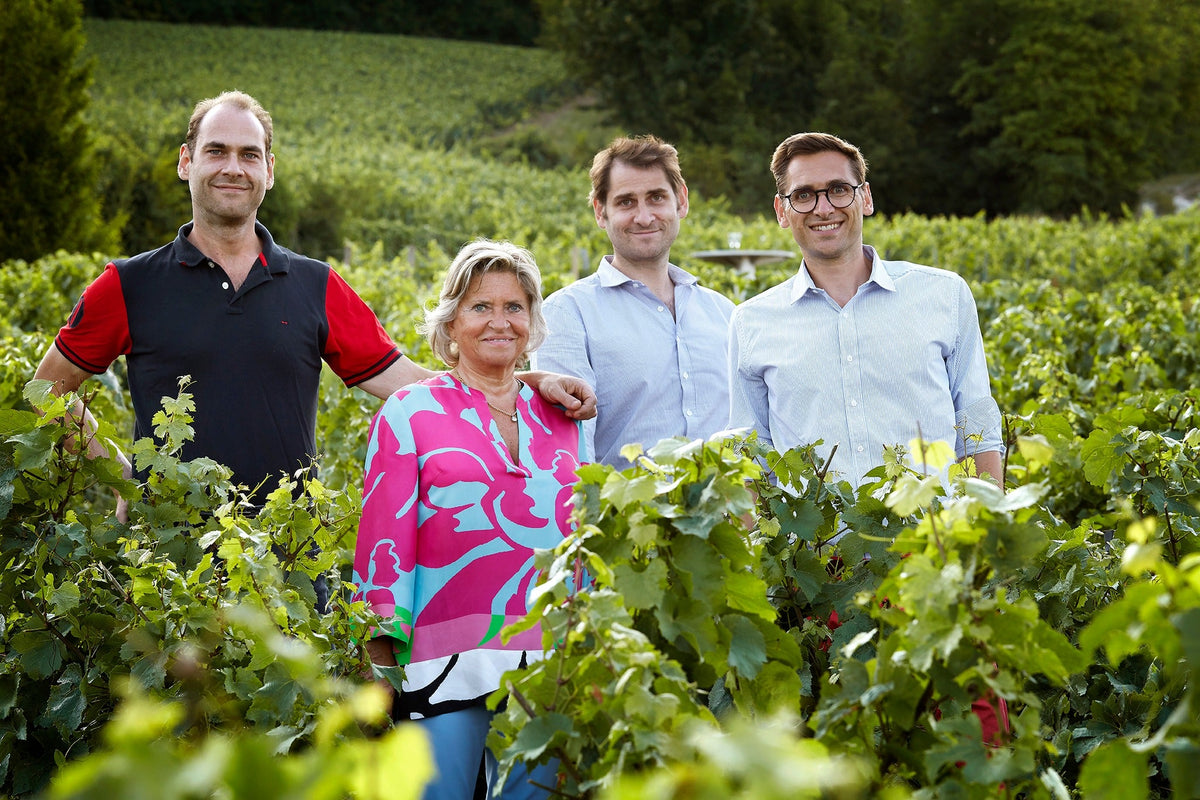
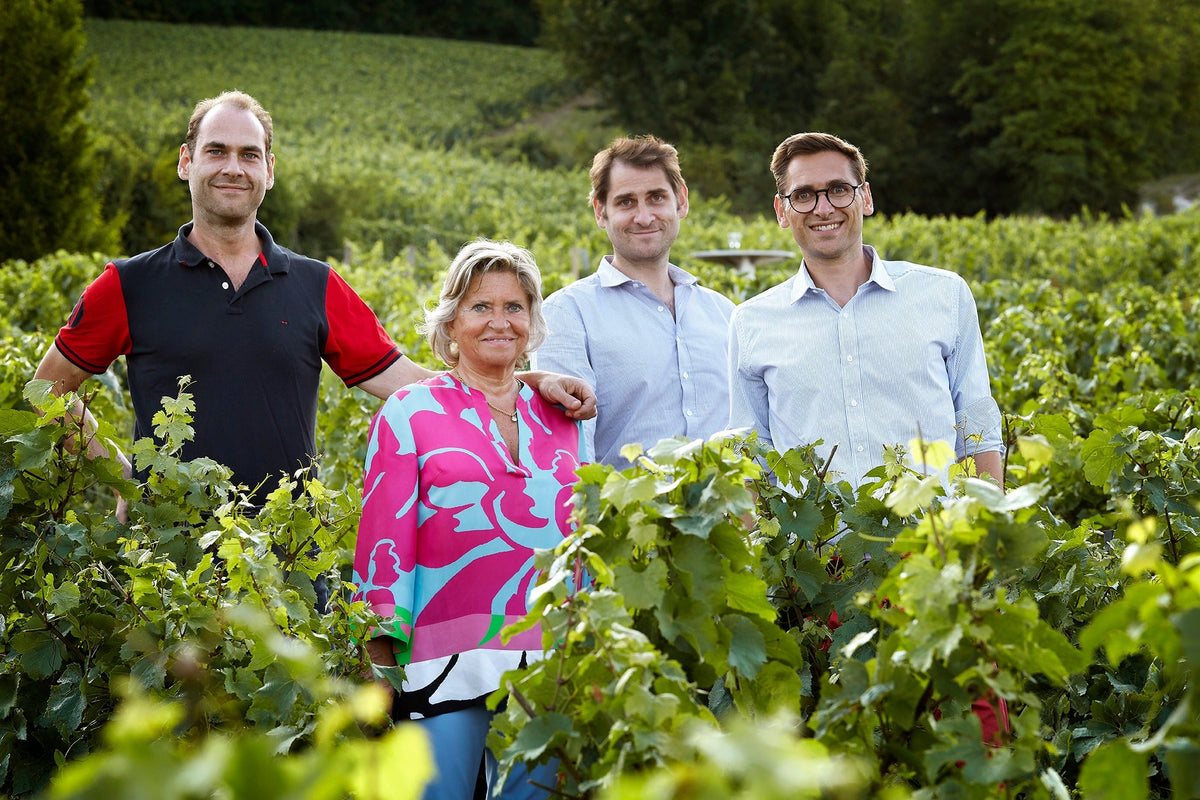
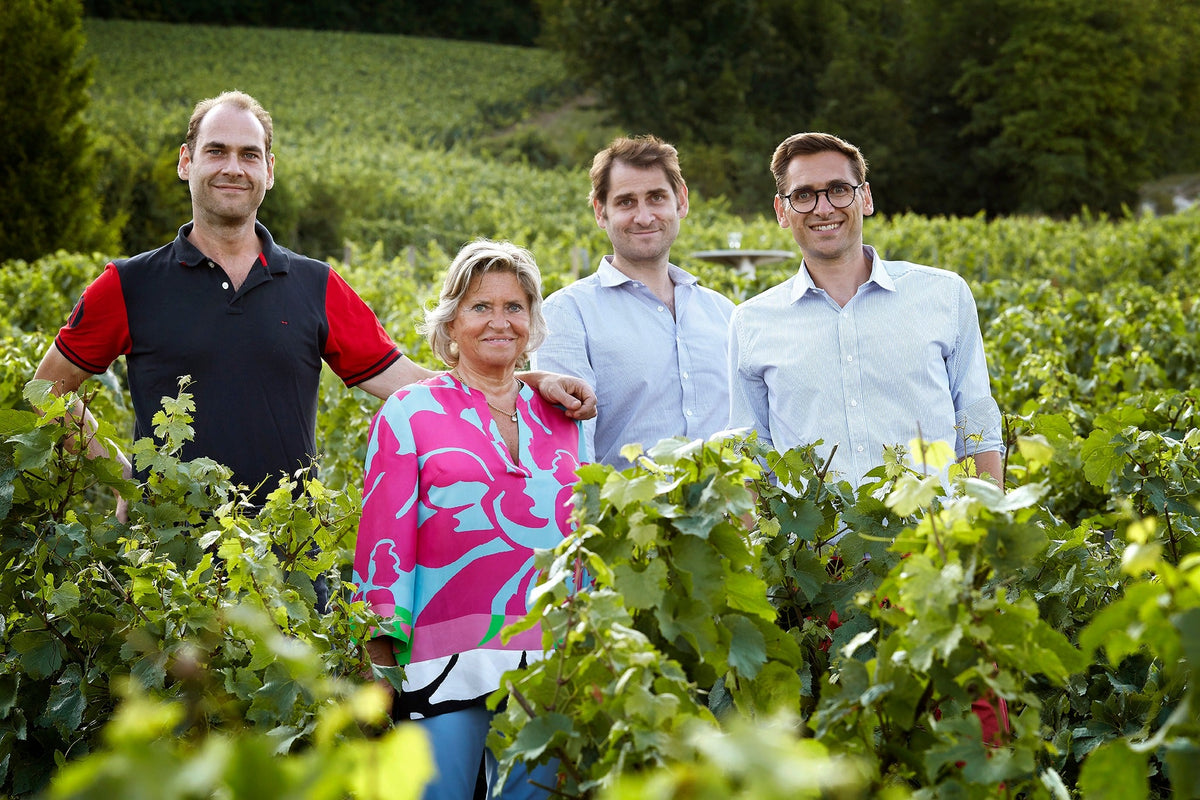
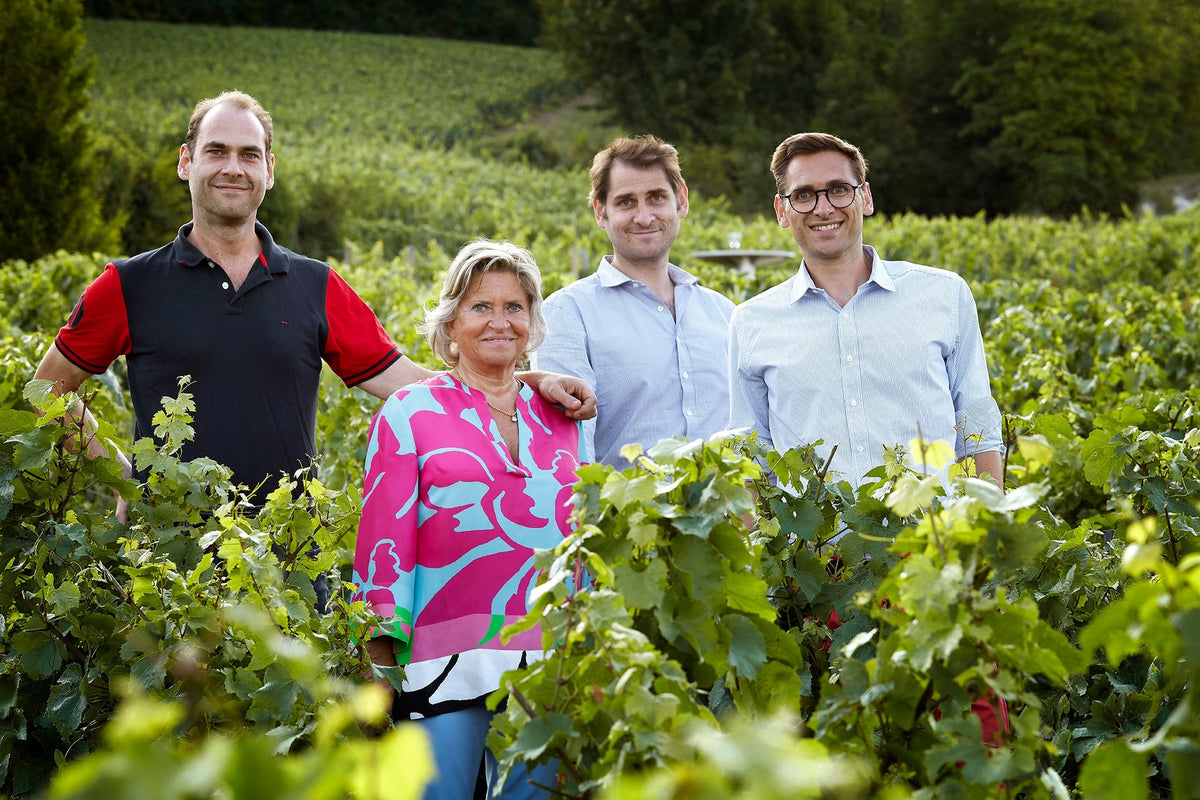
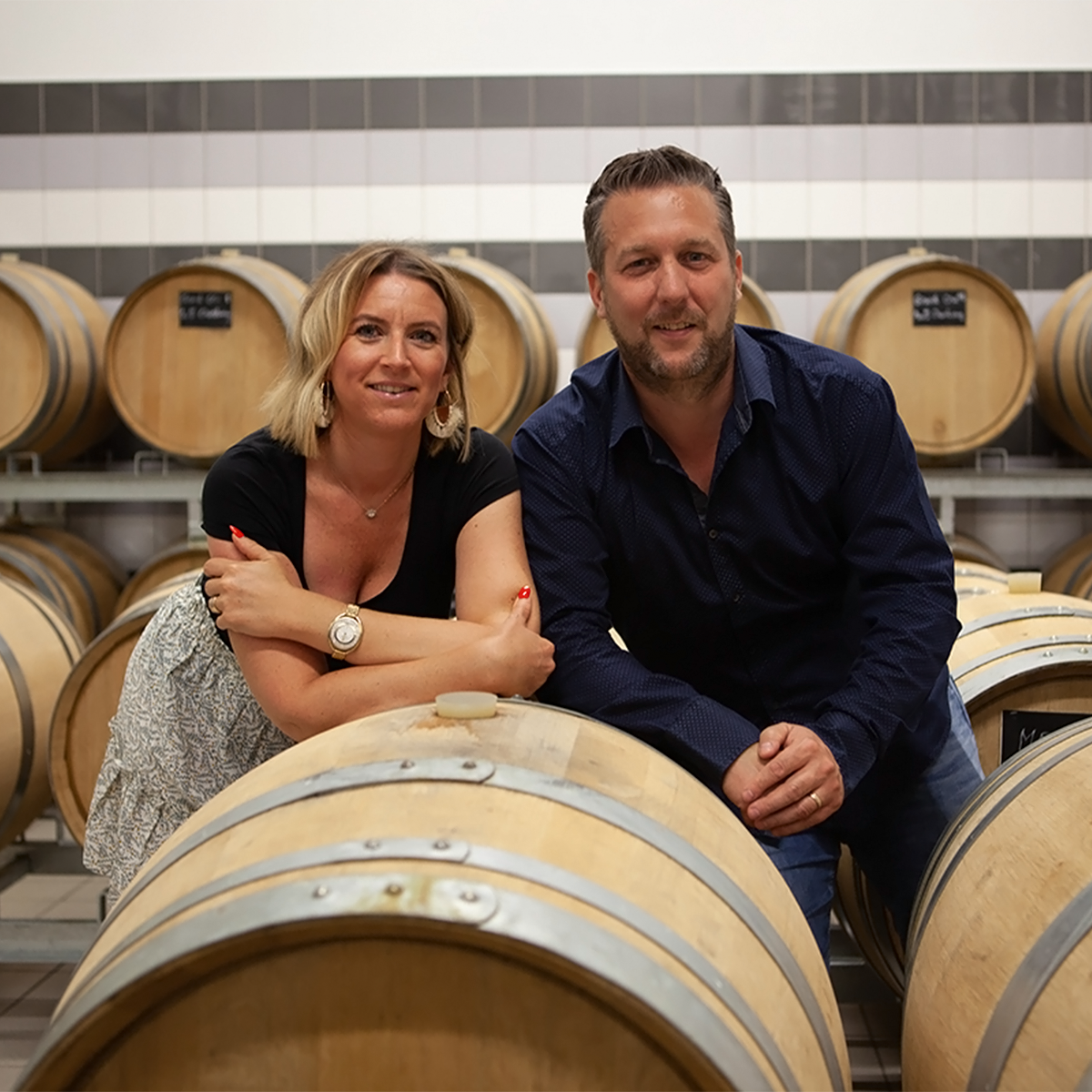
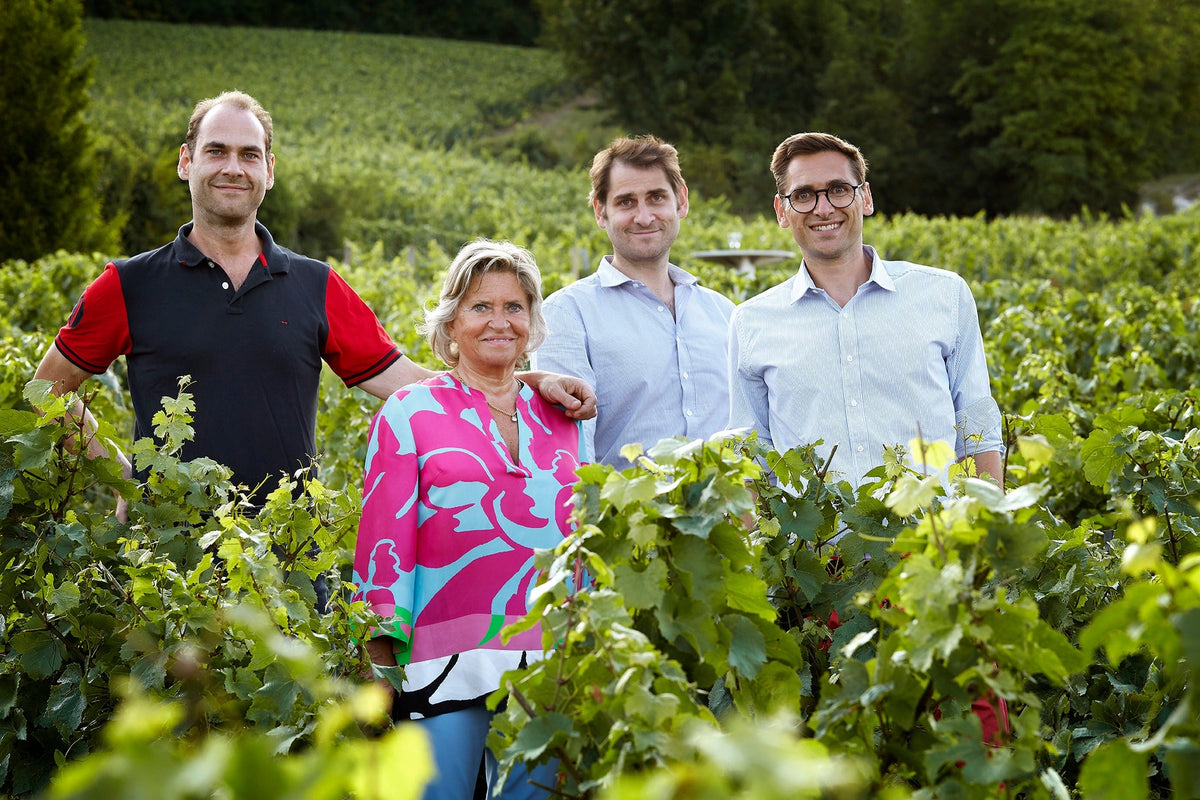
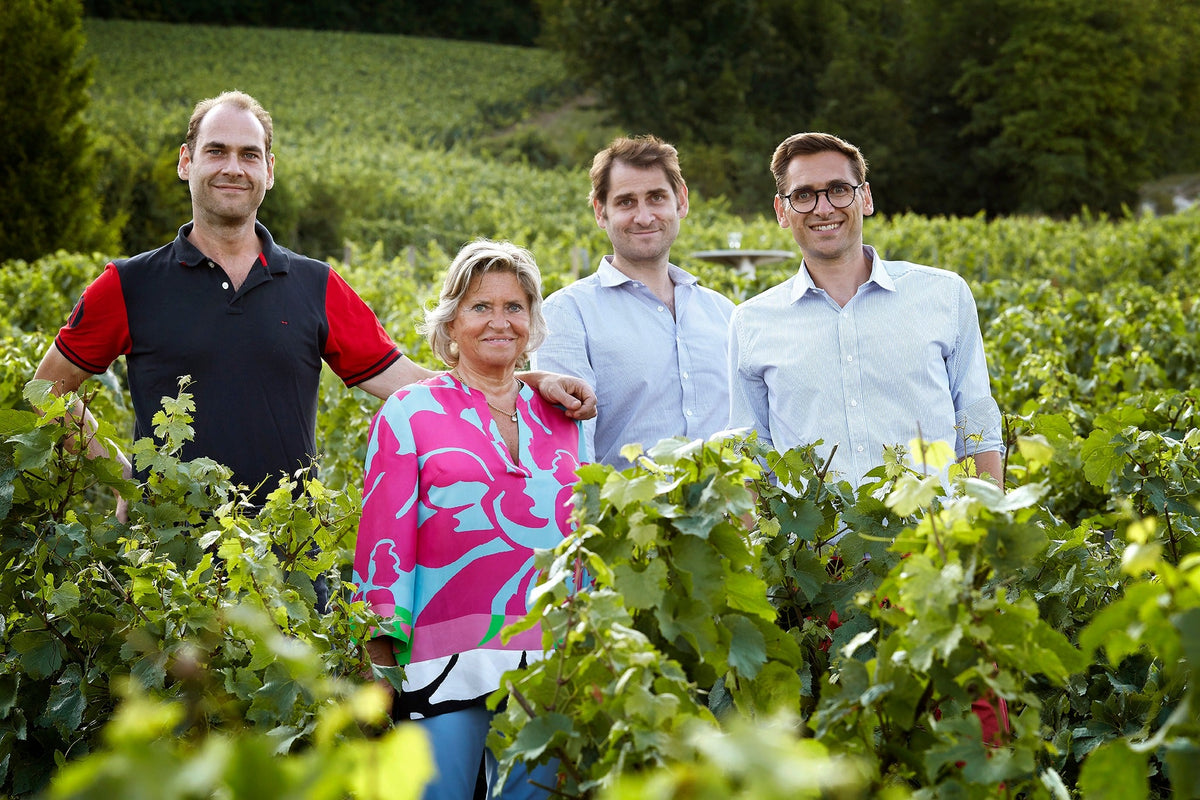
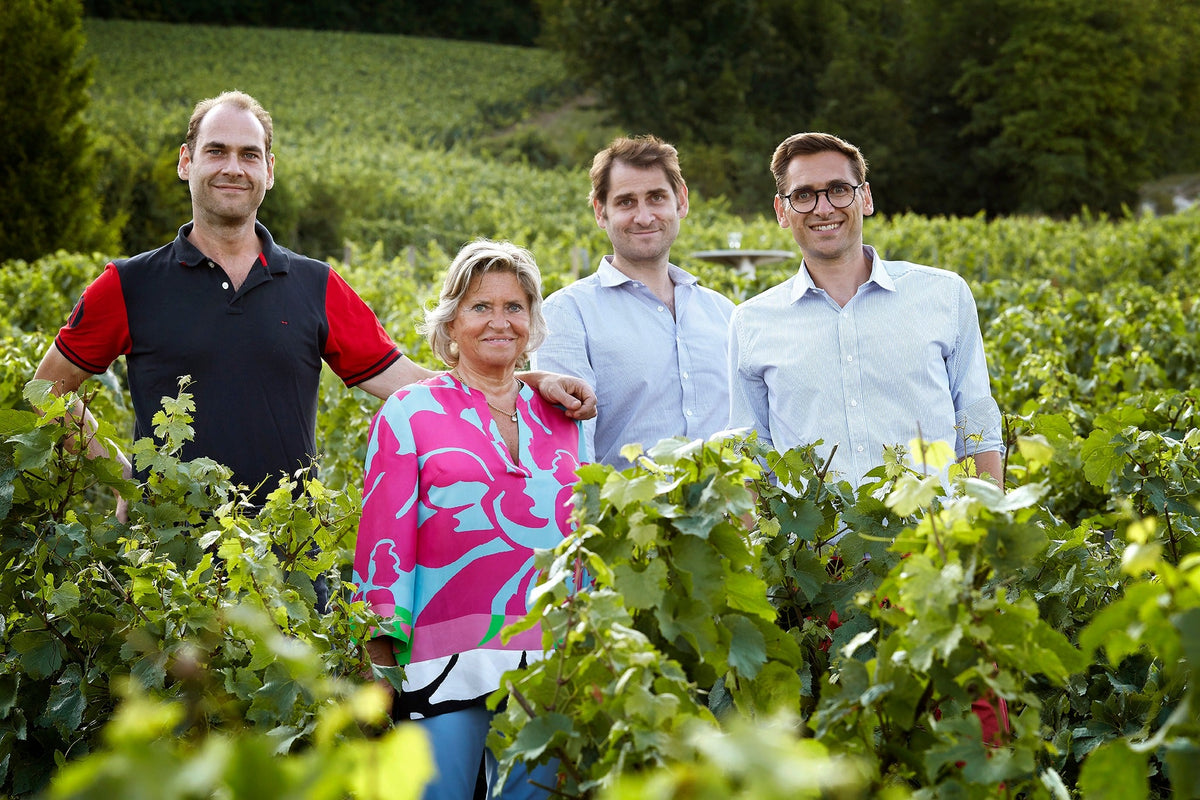
Widowed young in 1991, Carol took the helm and brought in Sandrine Logette-Jardin as chef de cave, and together they devoted themselves to a Champagne of distinctive style and character built on two watchwords: delicacy and poise.
Today it is her three sons — Julien, Charles and Louis — who follow in Carol's footsteps, carrying the spirit of the house forward with loyalty and ambition.
Between them they make Champagnes of finesse, lightness and elegance, wines that speak directly to the heart.
Respecting the terroir and drawing the very best from it, they honour the creative traditions of France while building the future alongside the enthusiasts who are gastronomy's new standard-bearers.




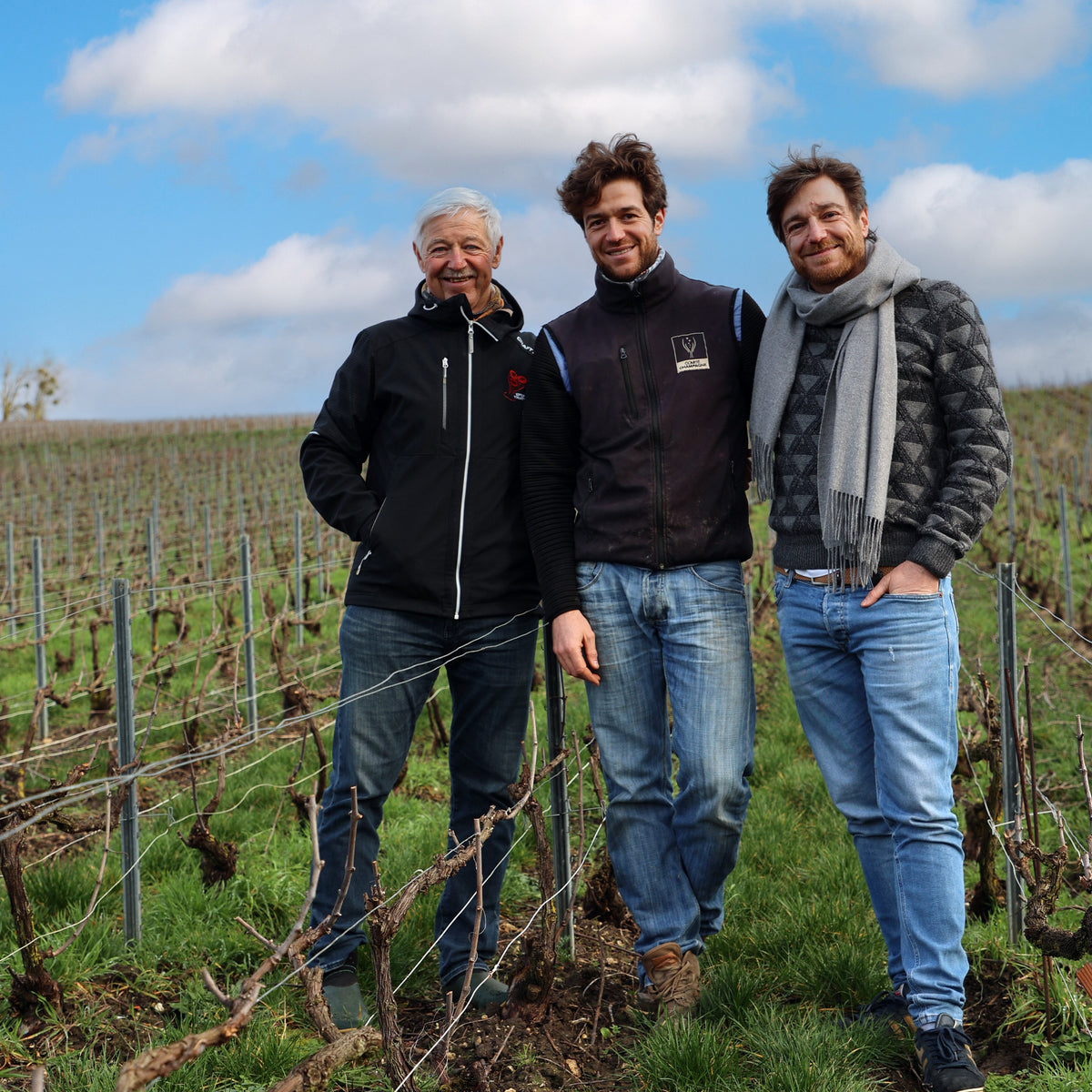
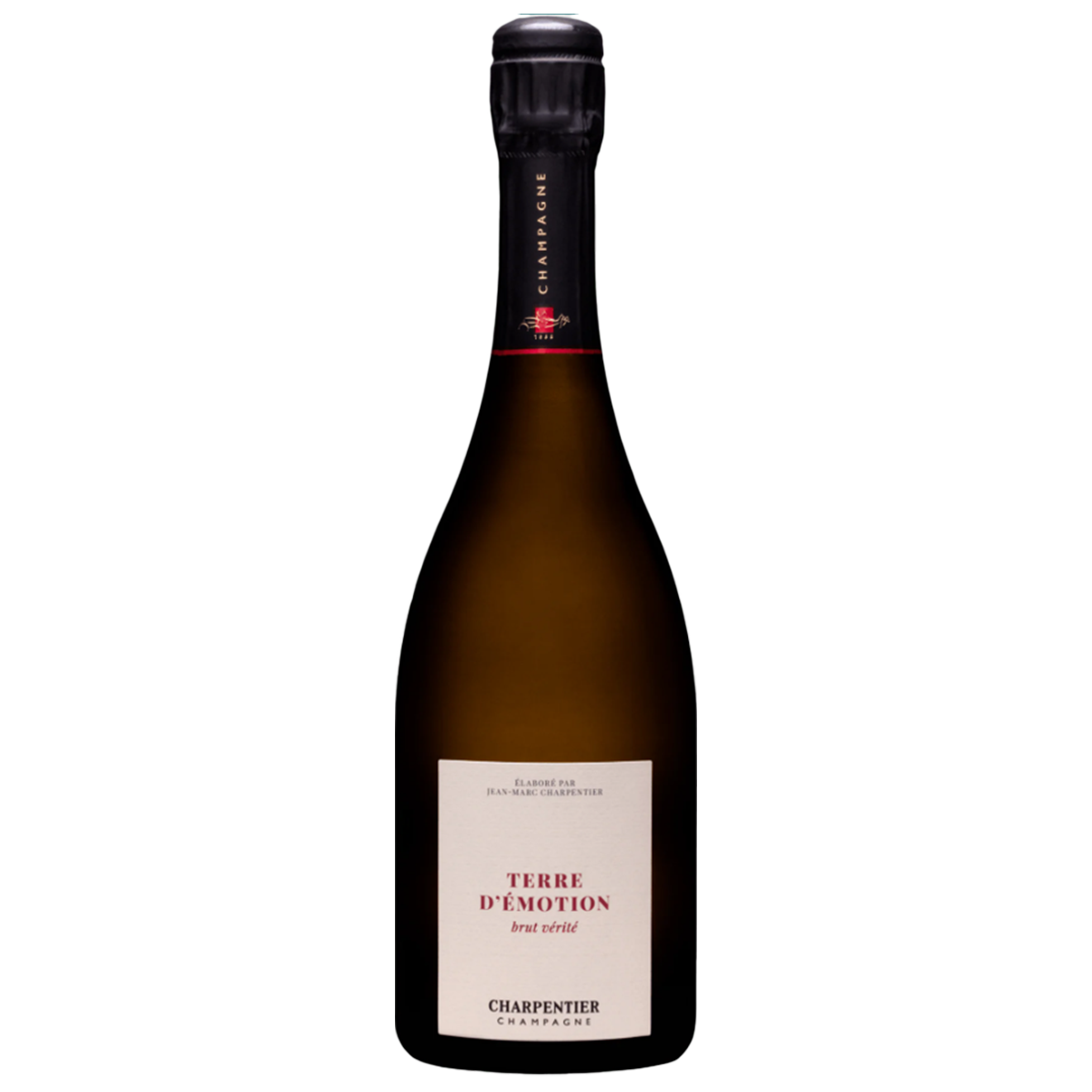
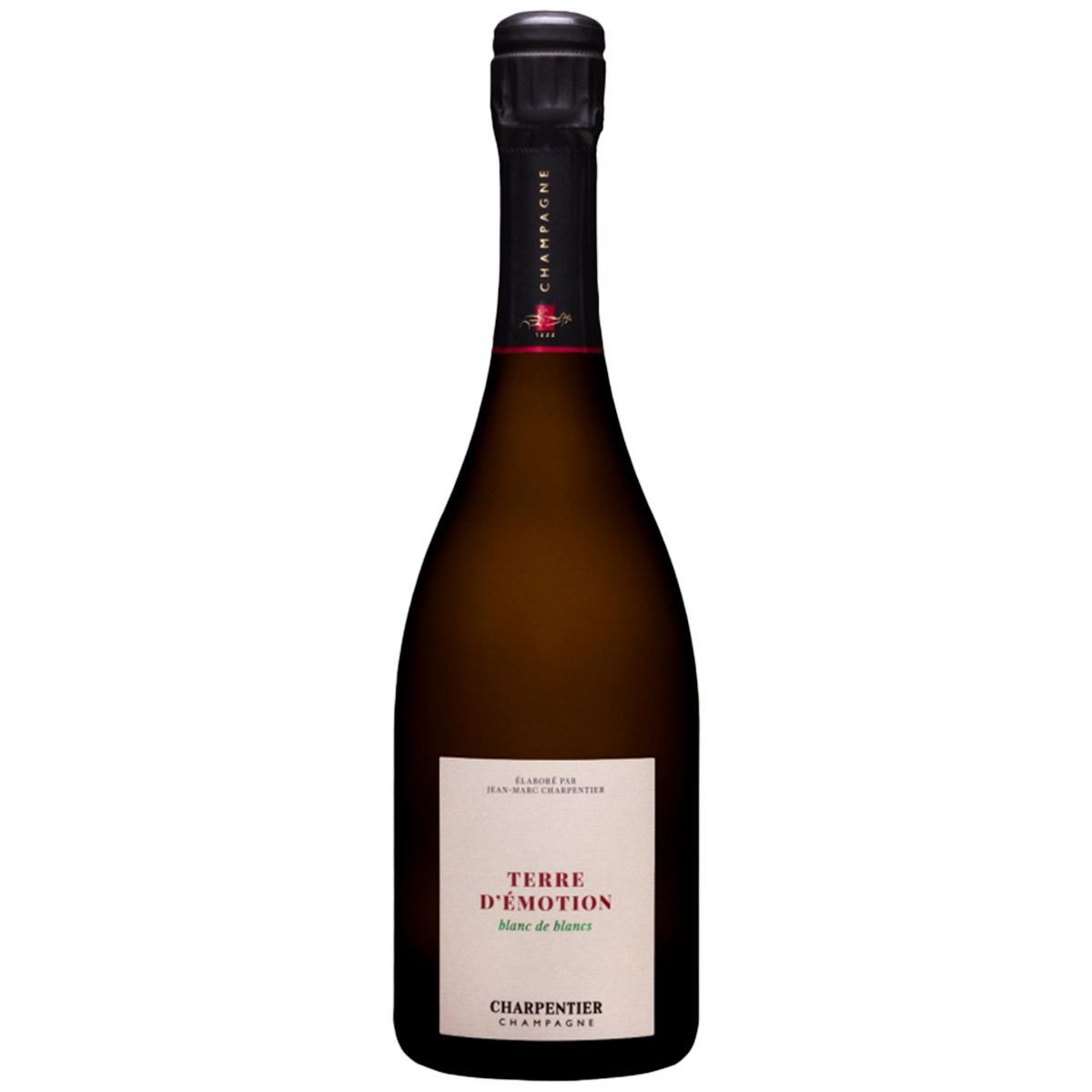
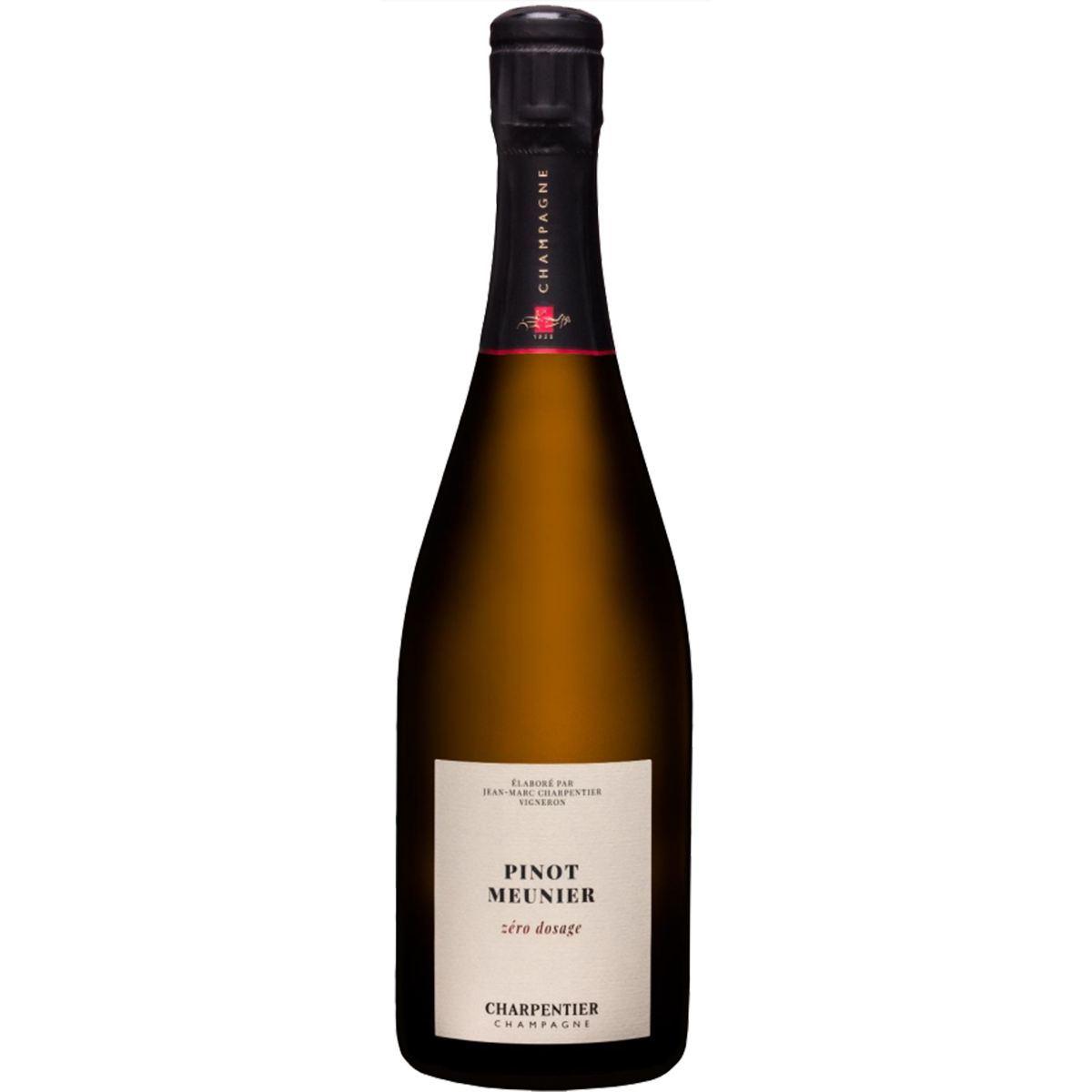
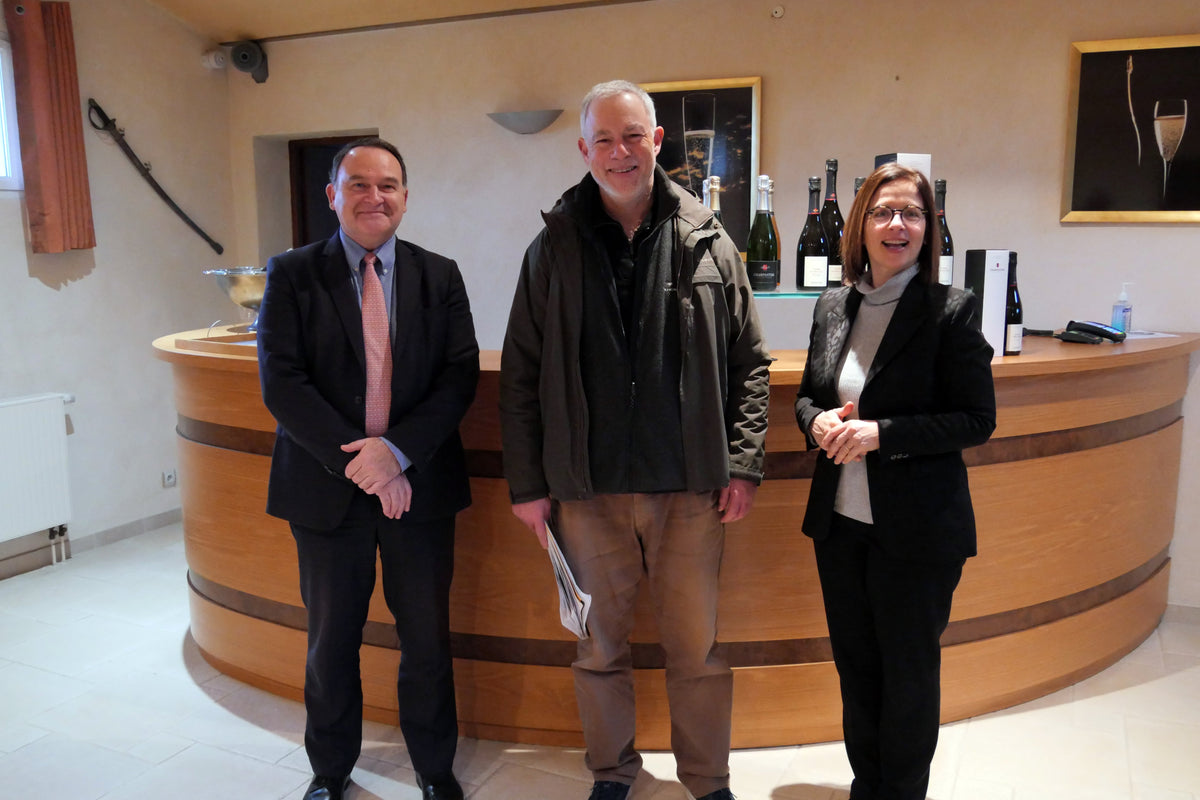
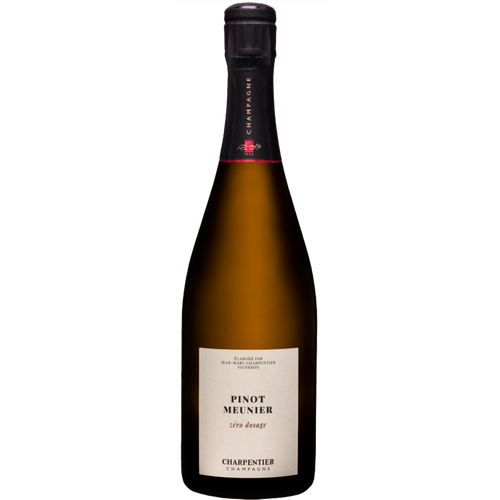
Champagne Charpentier
The Charpentiers have grown grapes in Champagne for eight generations. For most of that time the harvest went to the local cooperative, but from 2006 the family began vinifying and selling wine from its own vines.
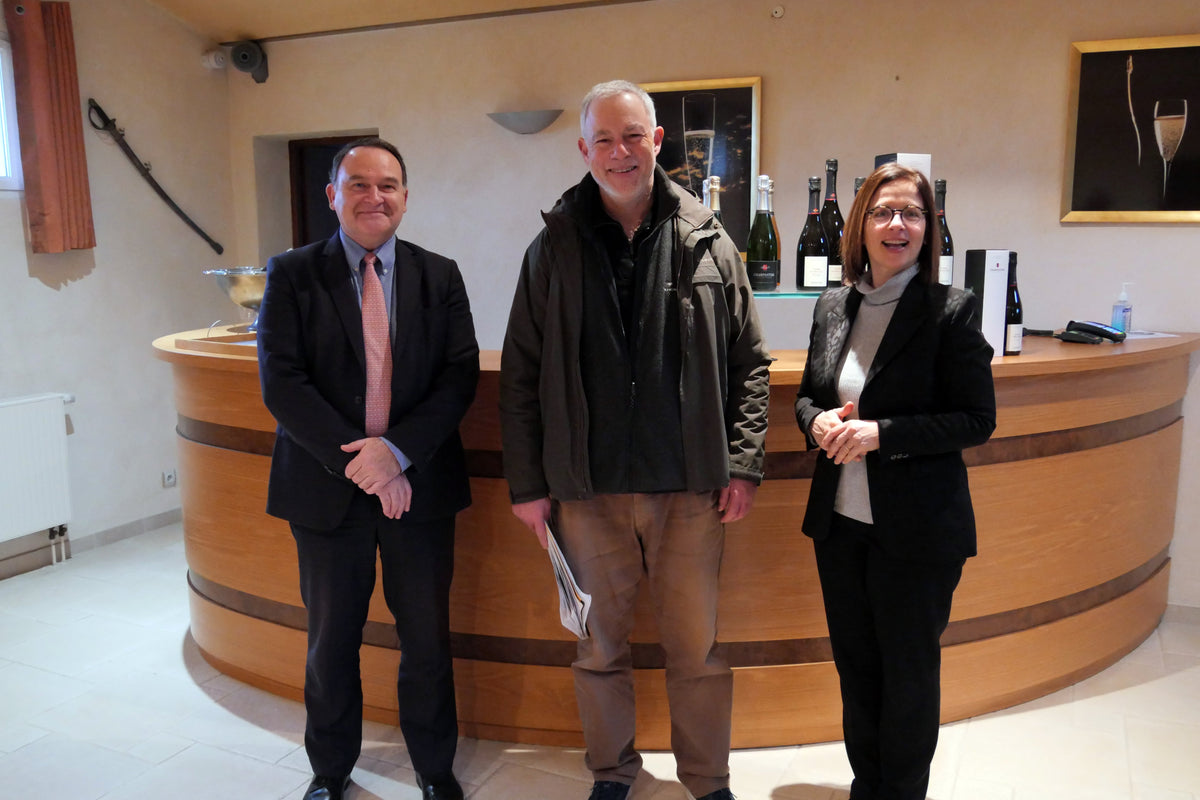
The father of Jean-Marc Charpentier, who runs the domaine today, was an agricultural engineer and headmaster of a school of viticulture and oenology, where he trained a great many growers.
Jean-Marc studied at his father's school and, from 1988, learned the craft of growing at the side of his grandparents, who worked the vines themselves.
The first thing he did on striking out on his own was to vinify parcel by parcel.
Doing so allowed the individual character of each different terroir to come through with real precision.
To push his own philosophy of Champagne further still, he converted twenty-four hectares to organic farming and, from 2009, began working biodynamically as well.
The domaine is based in the village of Charly-sur-Marne in the Vallée de la Marne, and from there farms seventy-two separate parcels.
Where growers in this part of Champagne typically plant more than 90% Pinot Meunier, at Charpentier Chardonnay accounts for 45%, with Pinot Meunier and Pinot Noir making up the rest.
That unusual balance tells in the glass, giving rise to Champagnes of real individuality: cuvées drawn from single small parcels, and special parcel-selection bottlings aged on their lees for as long as seven years.



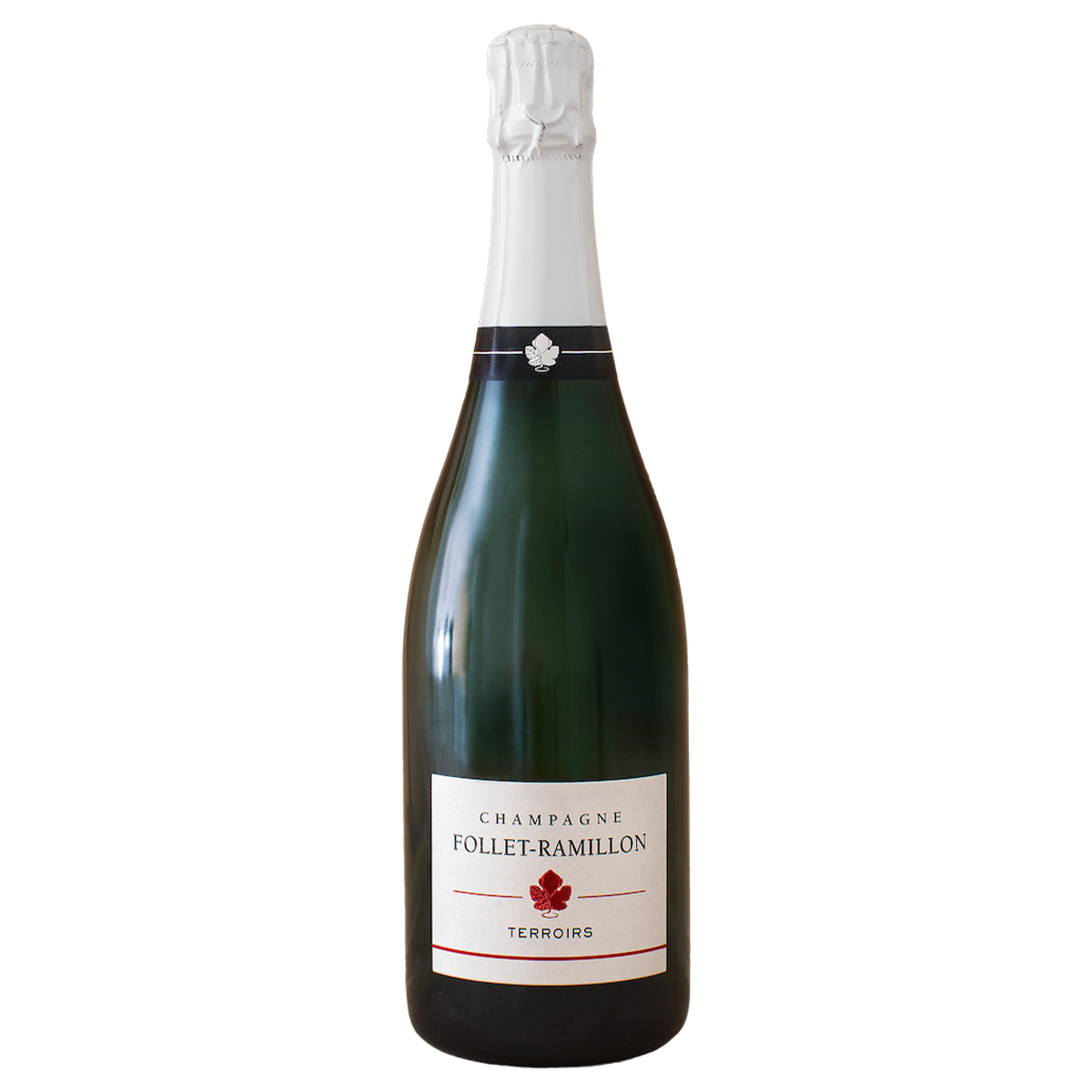
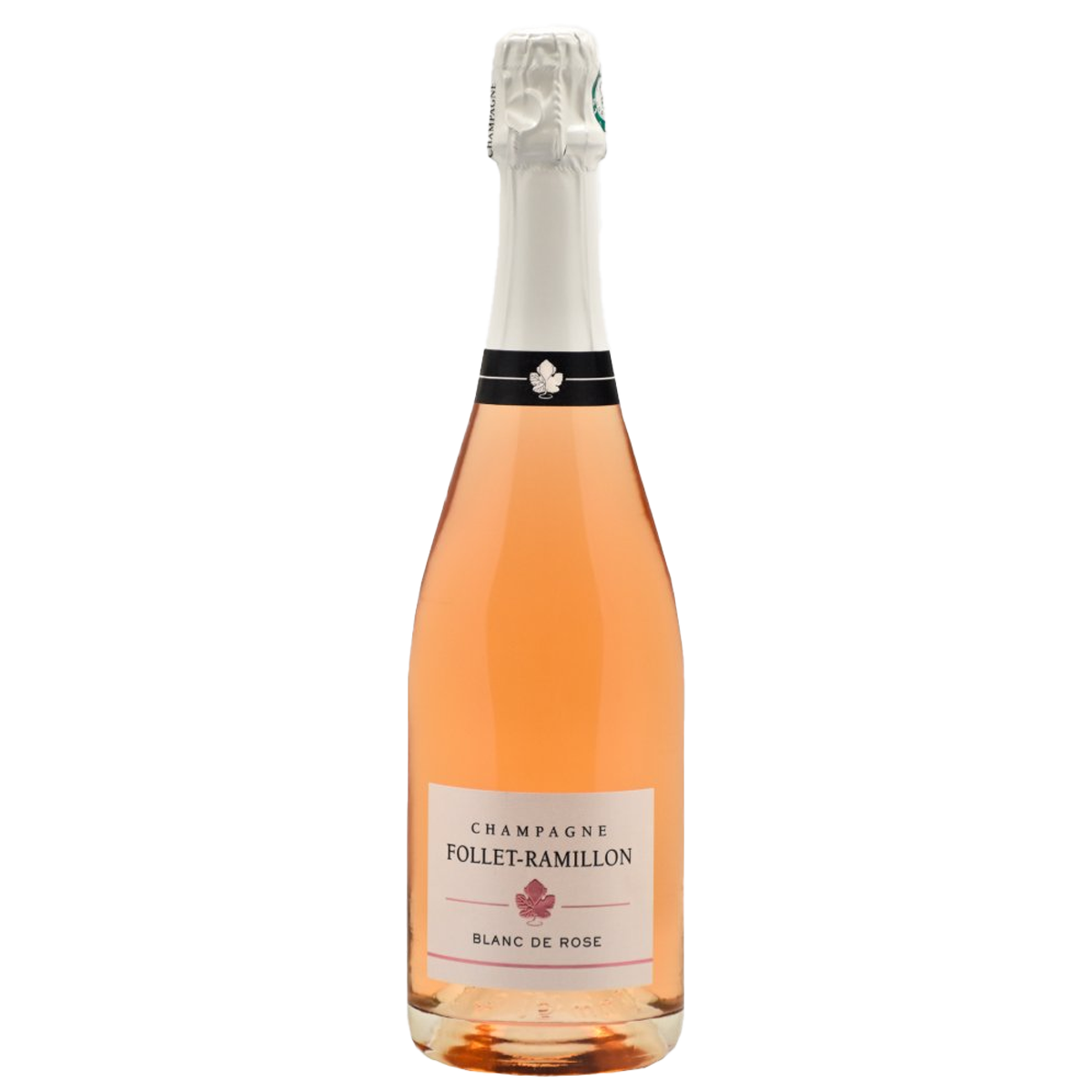
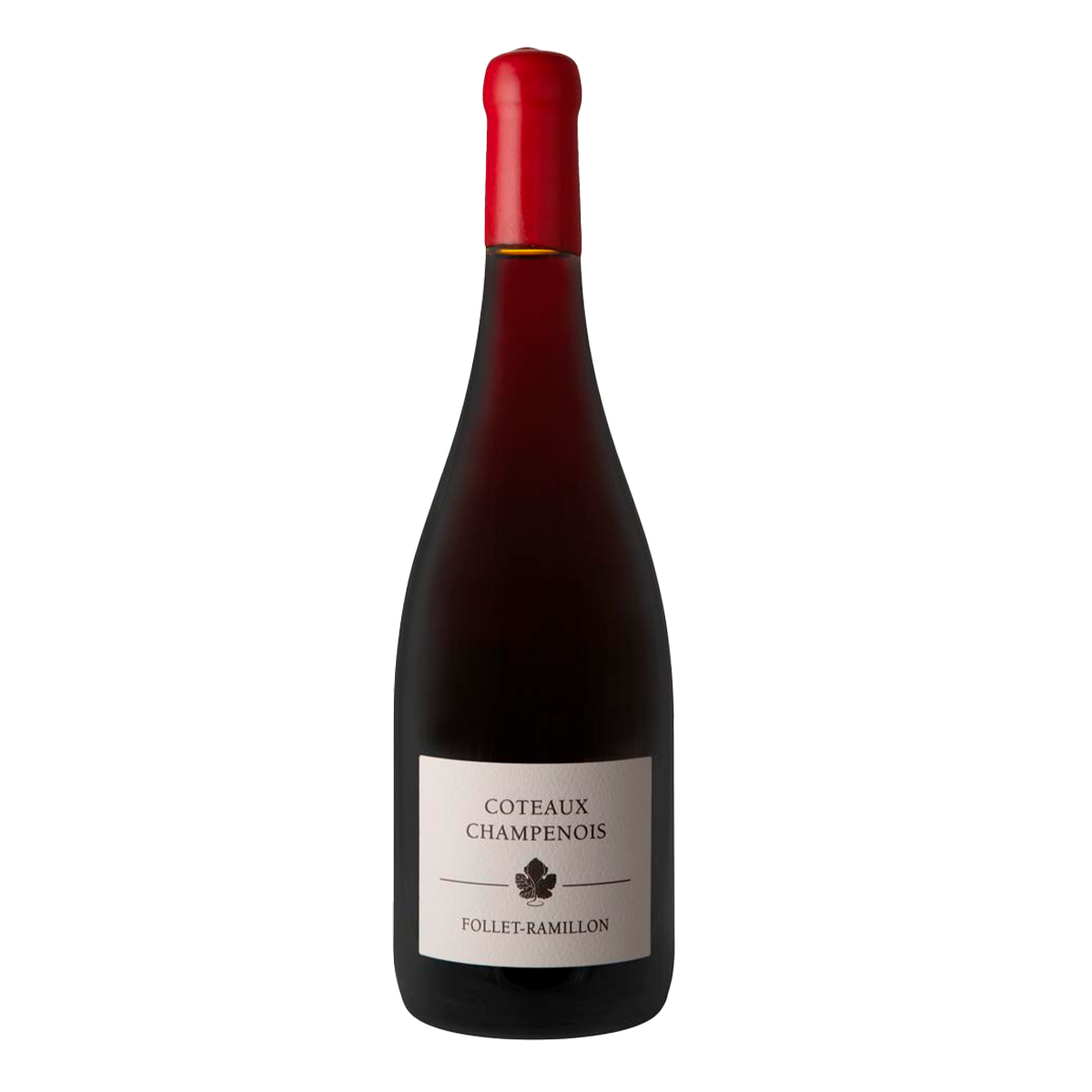
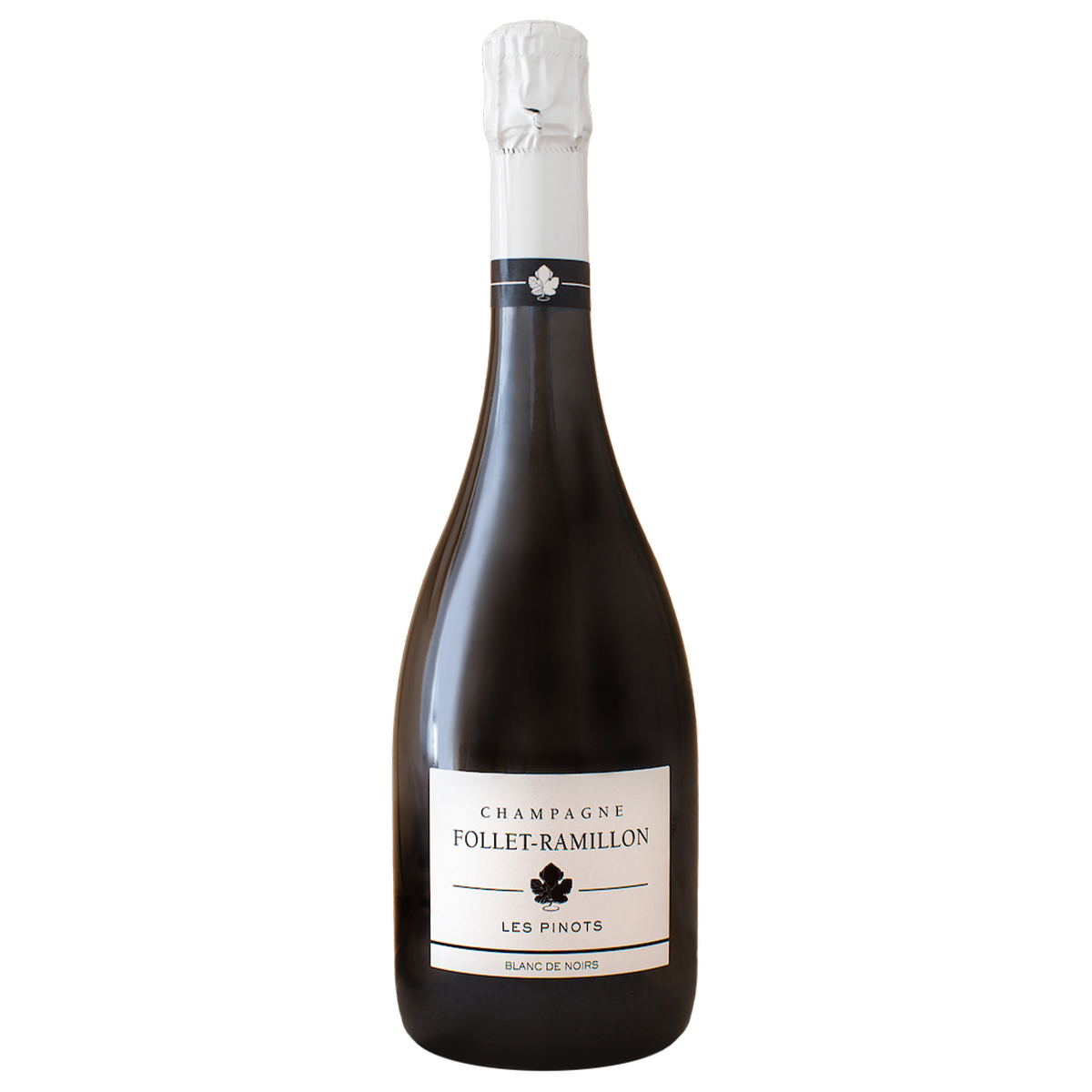
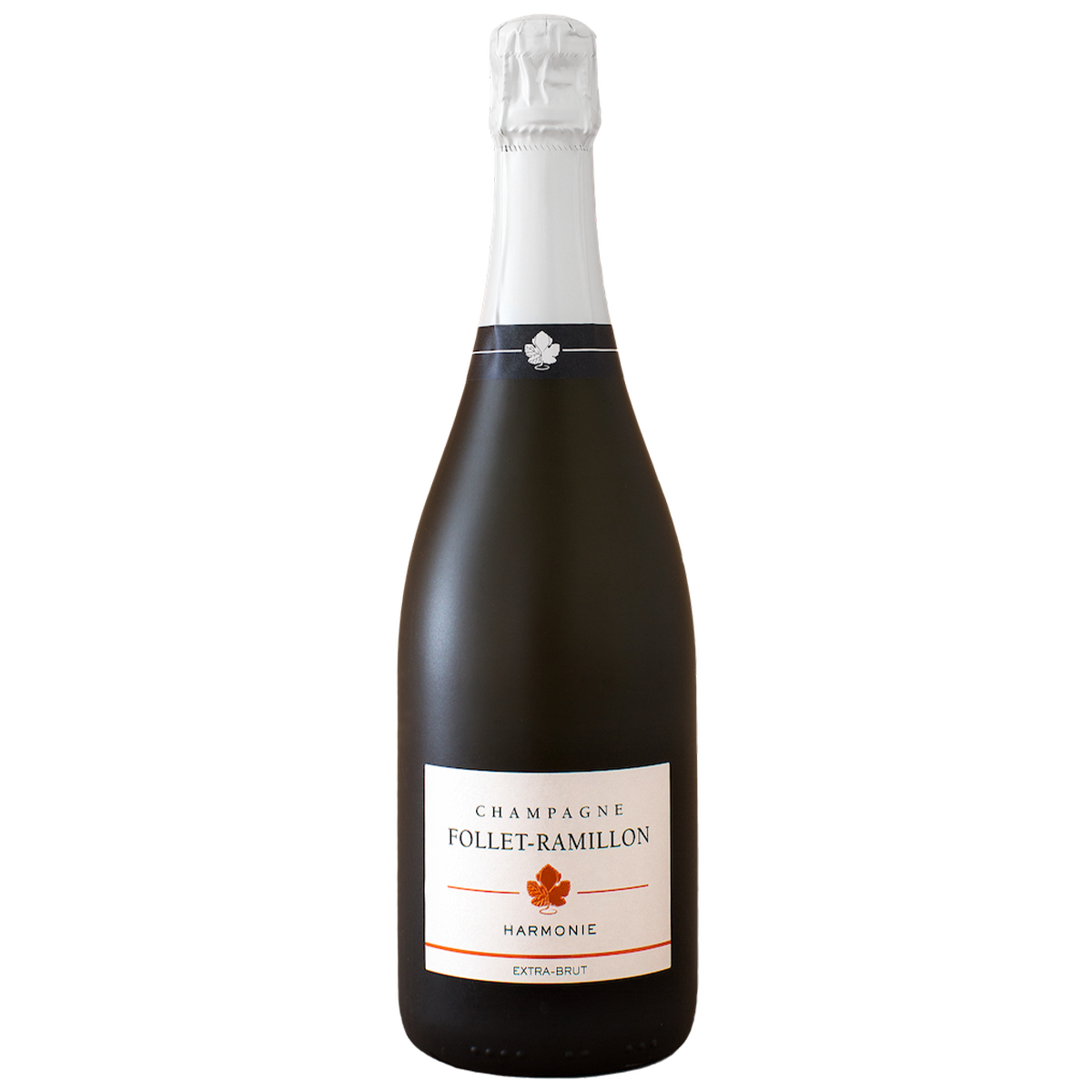
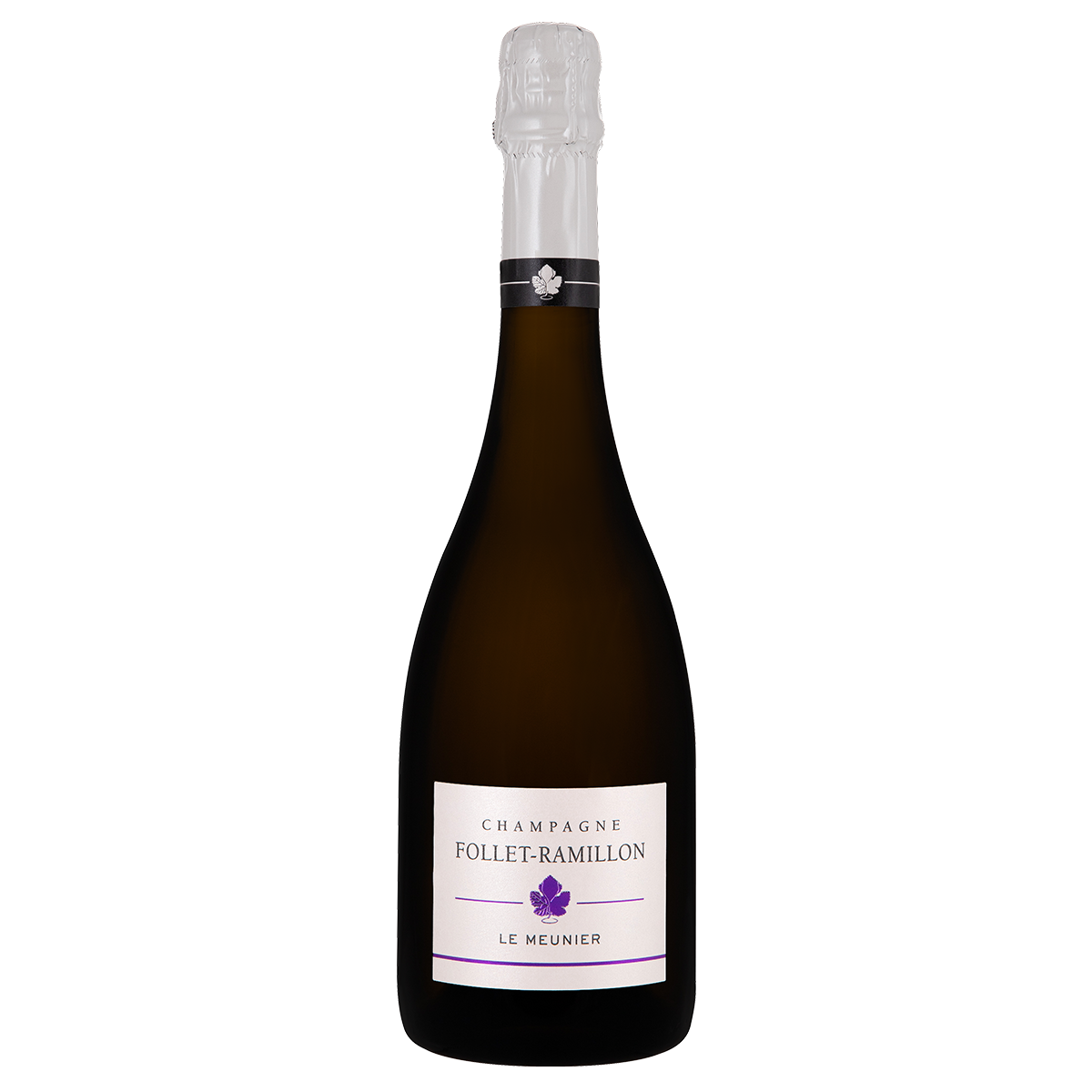
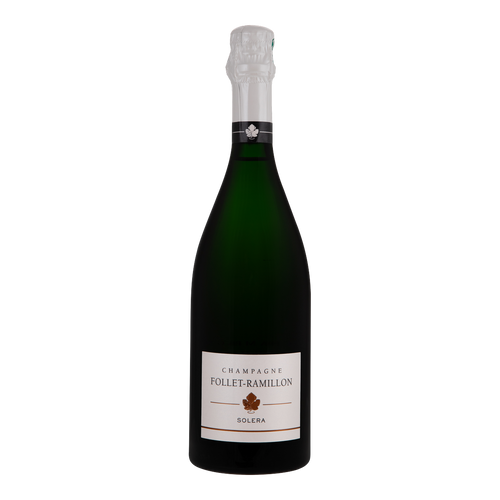
Champagne Follet-Ramillon
【Respect for terroir, and painstaking, natural winemaking】
A family house founded in 1955 in the village of Belval-sous-Châtillon, in the Vallée de la Marne, thirty kilometres from both Reims and Épernay.
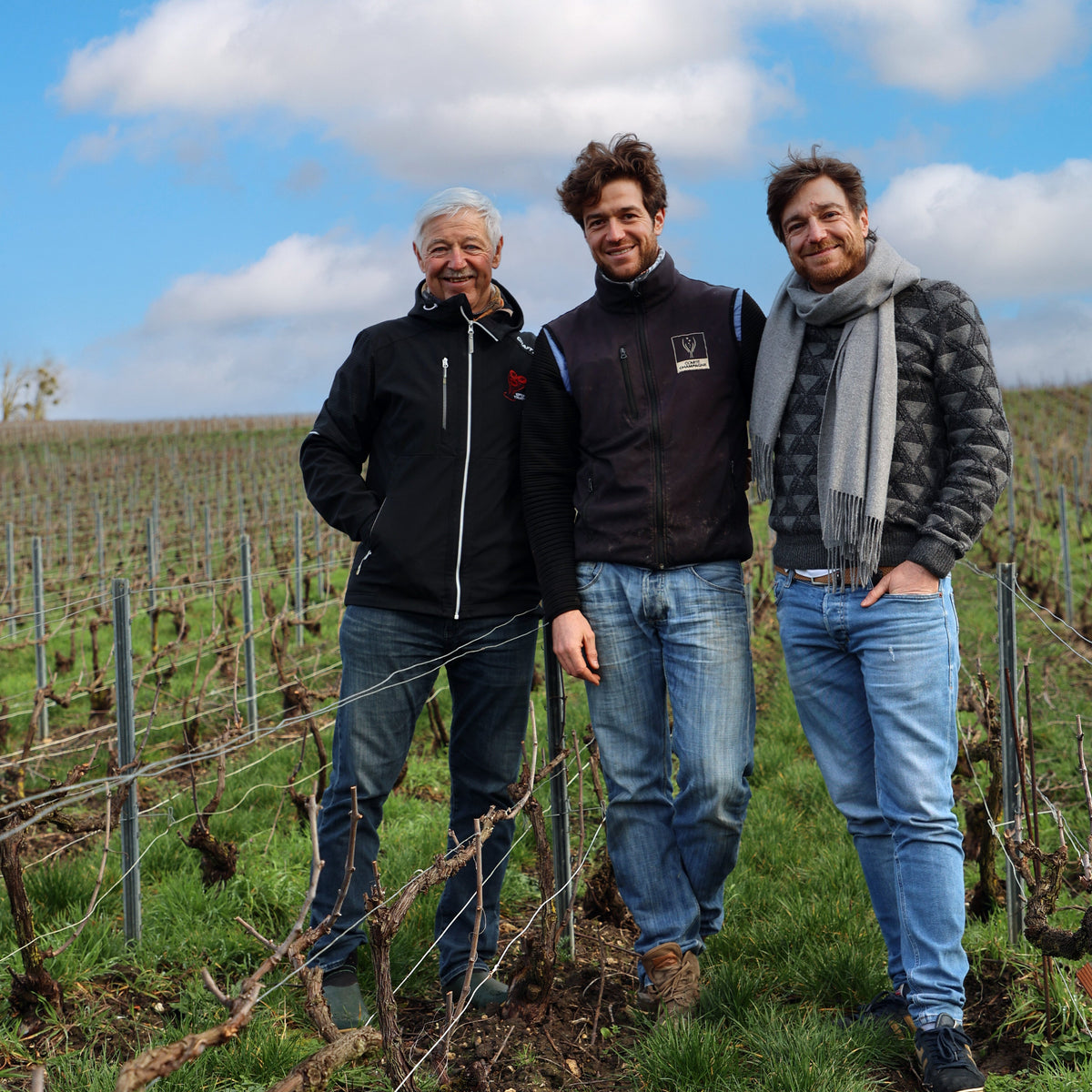
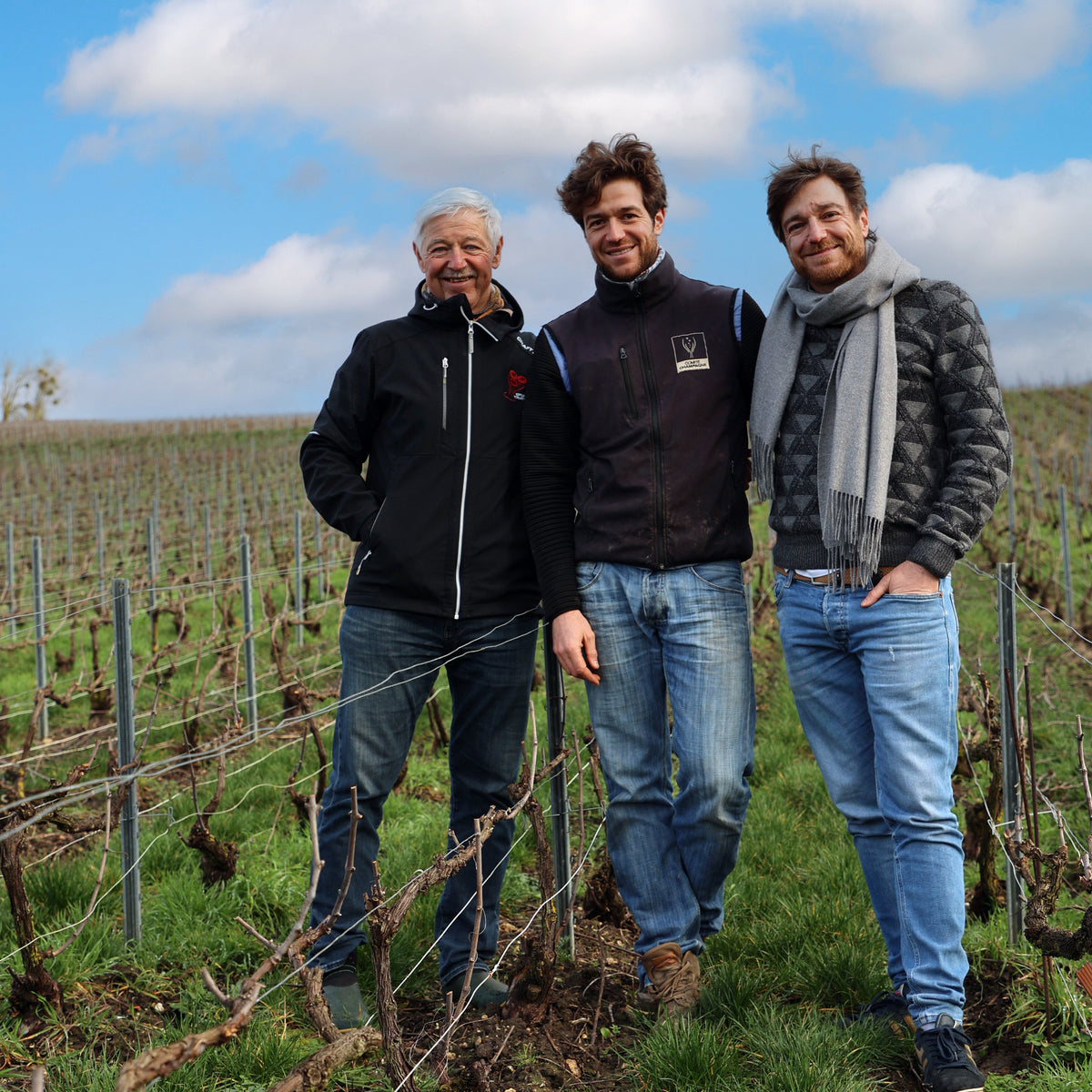
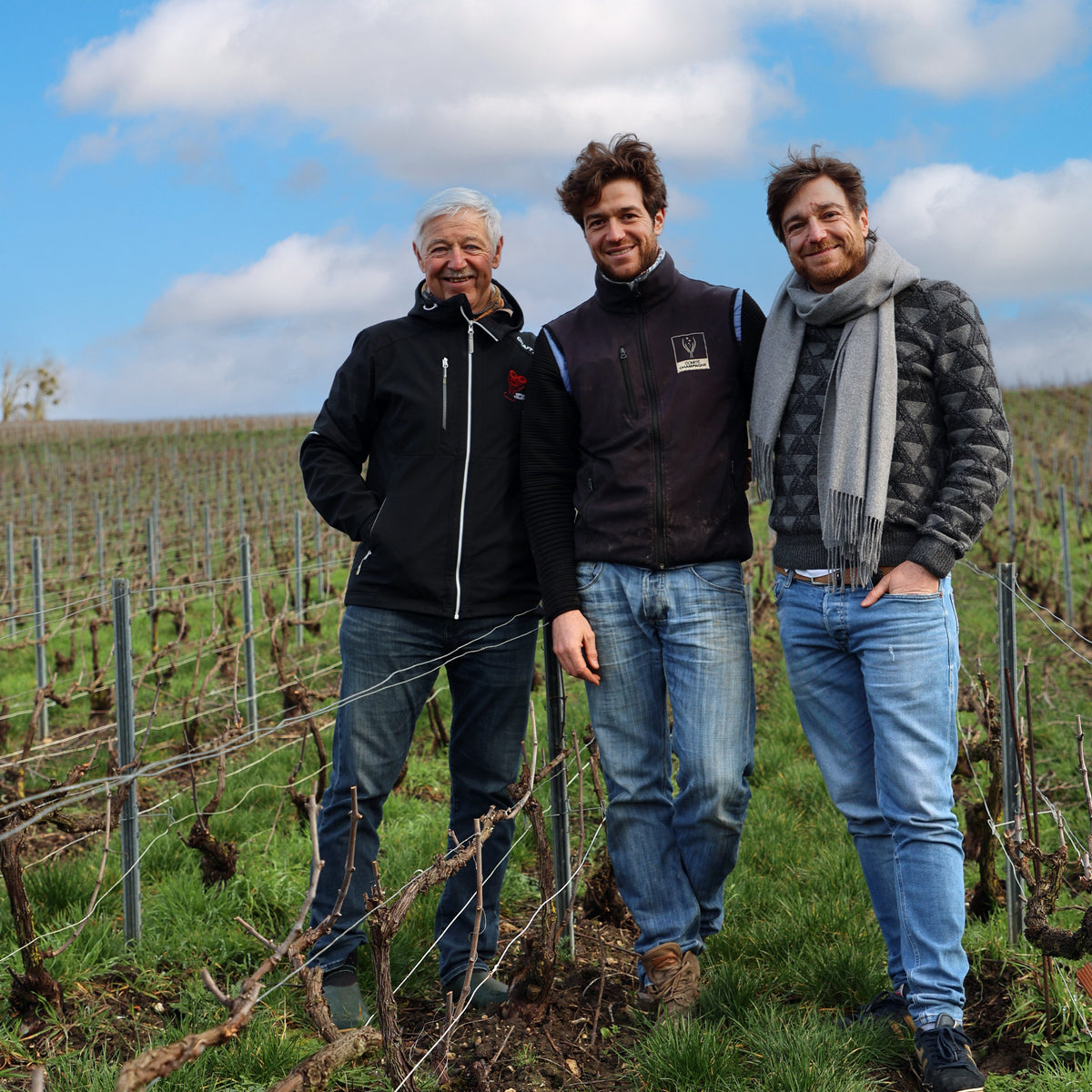
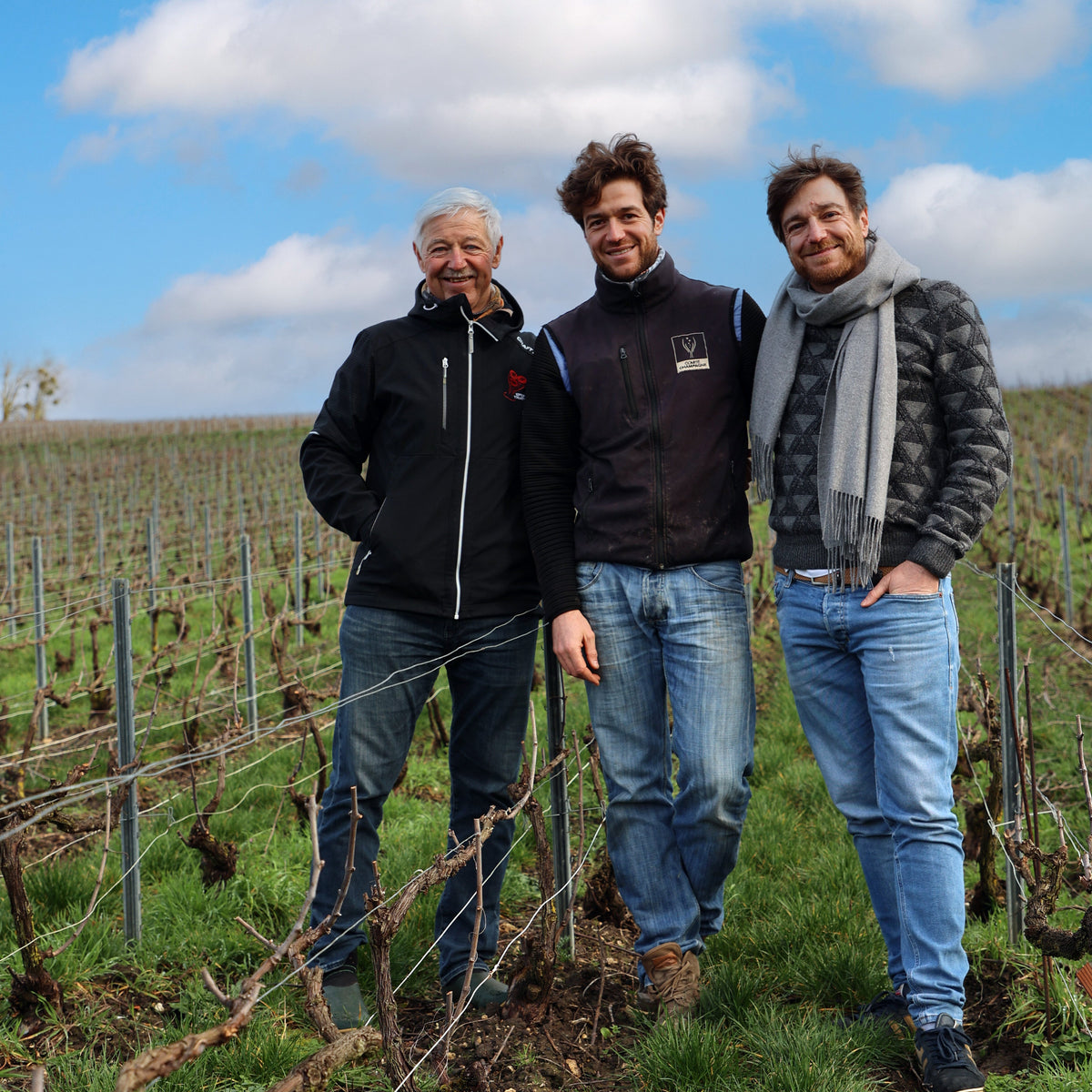
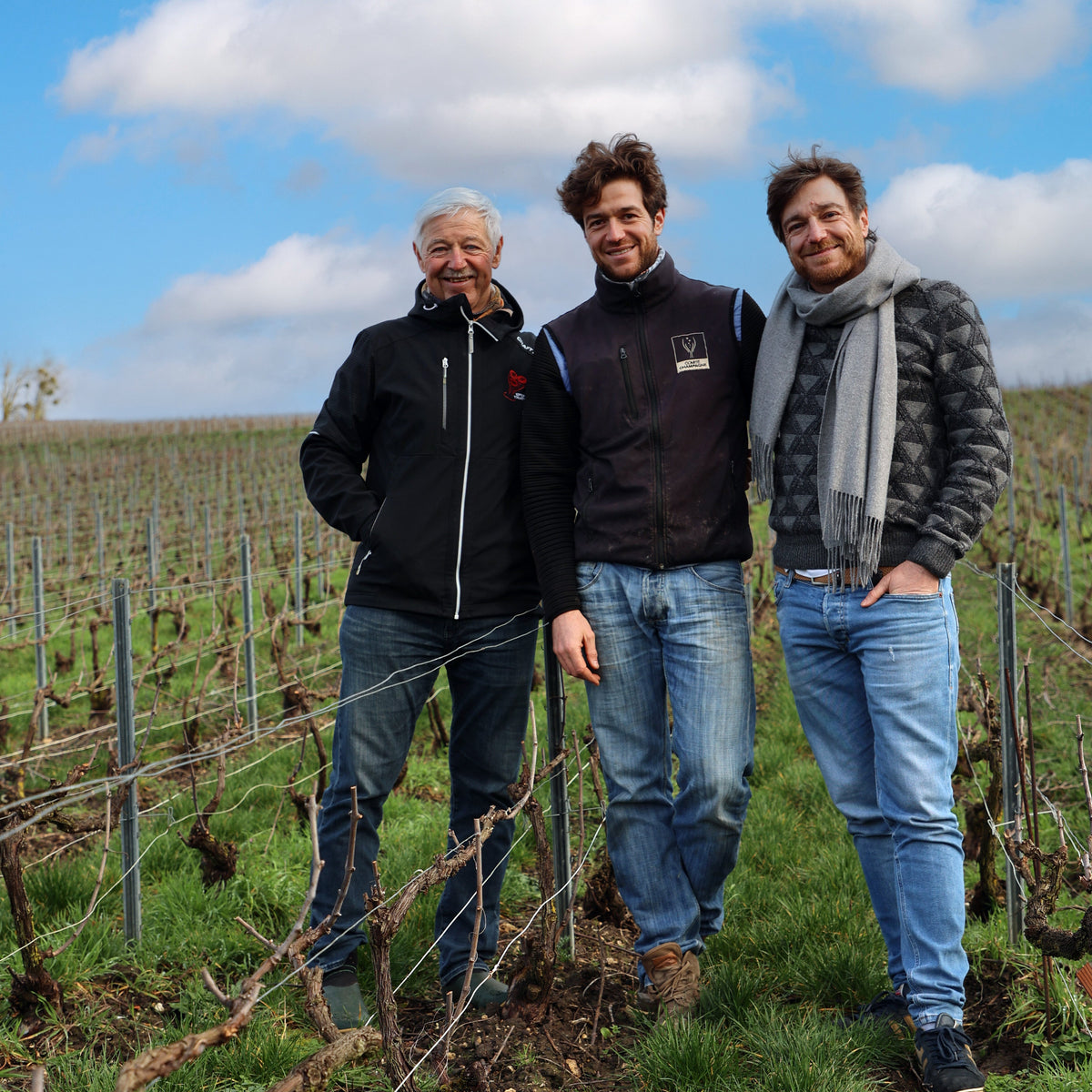
Joël, of the third generation, works hand in hand with his son Nicolas, an oenologist of the fourth, and Nicolas's younger brother Jérémie, the three of them intent on carrying the house further still.
Nicolas studied alongside Bérêche and Benoît Lahaye, then went on refining his craft, spending eighteen years as a consultant winemaker and gathering knowledge in South Africa, Belgium, Italy, Germany, the United States, Sweden and Norway.
Having specialised for years in sparkling wine from warm climates, he understands the question of a warming world better than most; the Comité Champagne turns to him for advice, and he has become an indispensable figure in Champagne's new era.
In the cellar he shares a good deal with Éric Lebel, formerly chef de cave at Krug, whose influence he acknowledges, and he trades views with Selosse once a month.
The house owns five hectares in all — at Belval-sous-Châtillon and Trélou-sur-Marne in the Vallée de la Marne, and at Villedommange in the Montagne de Reims — planted chiefly to Meunier, followed by Pinot Noir and Chardonnay.
The barrels come from Bollinger's own cooper, who works for no one else.
Drawing on time spent in Beaune in Burgundy between 2000 and 2002, Nicolas ferments and ages parcel by parcel in small barrels before a further period in 600-litre casks. To preserve the fresh acidity of the fruit, not one cuvée goes through malolactic fermentation — convictions held with a firm backbone.
Respect for terroir goes hand in hand with sustainable, low-treatment viticulture: no chemical products, work that follows the rhythm of the seasons, and traditional picking judged parcel by parcel according to the character of each site and variety and the ripeness of the fruit.
Nothing is fined or sterile-filtered. The finest grapes, tasted daily plot by plot, and a natural, unhurried hand in the cellar give every cuvée a voice entirely its own.




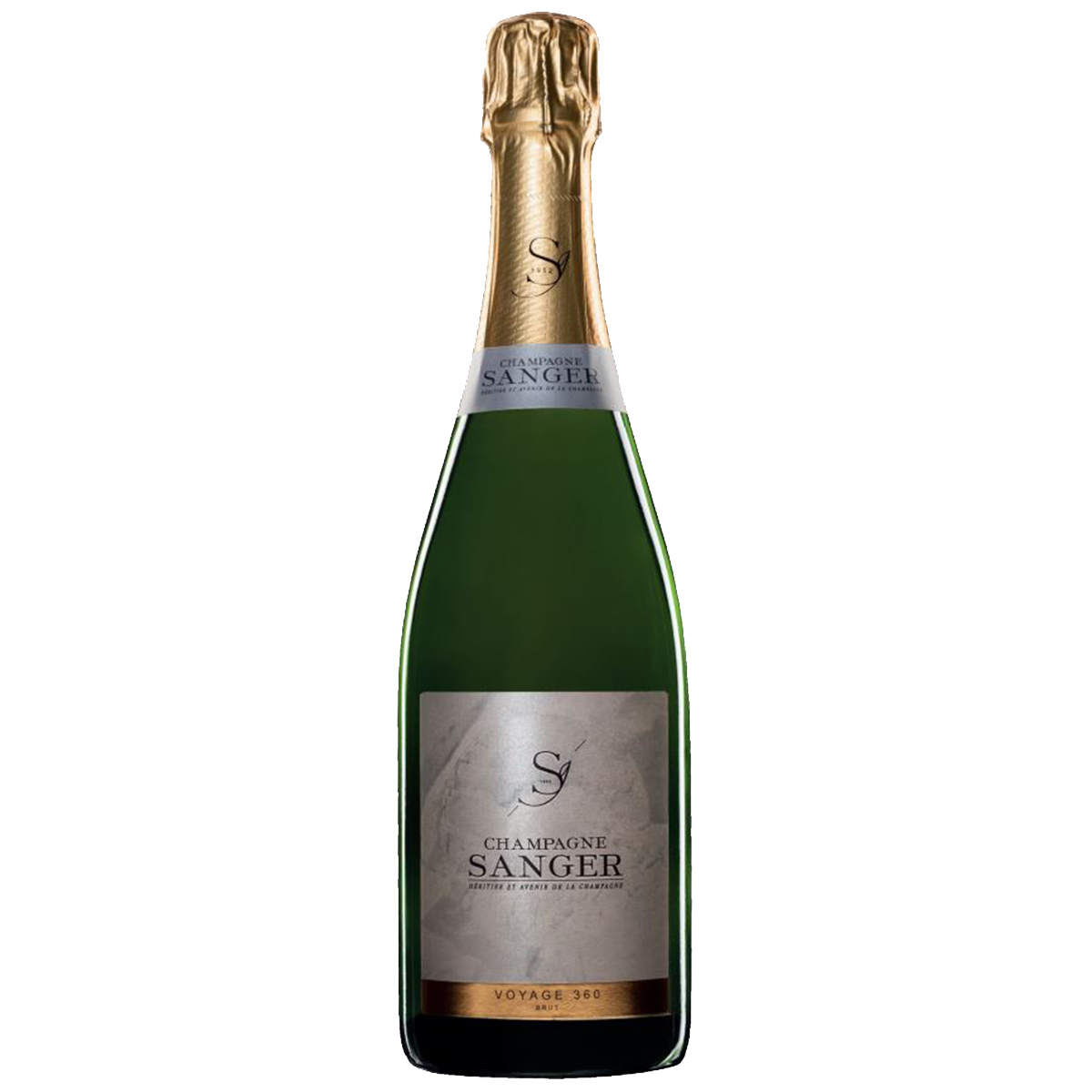
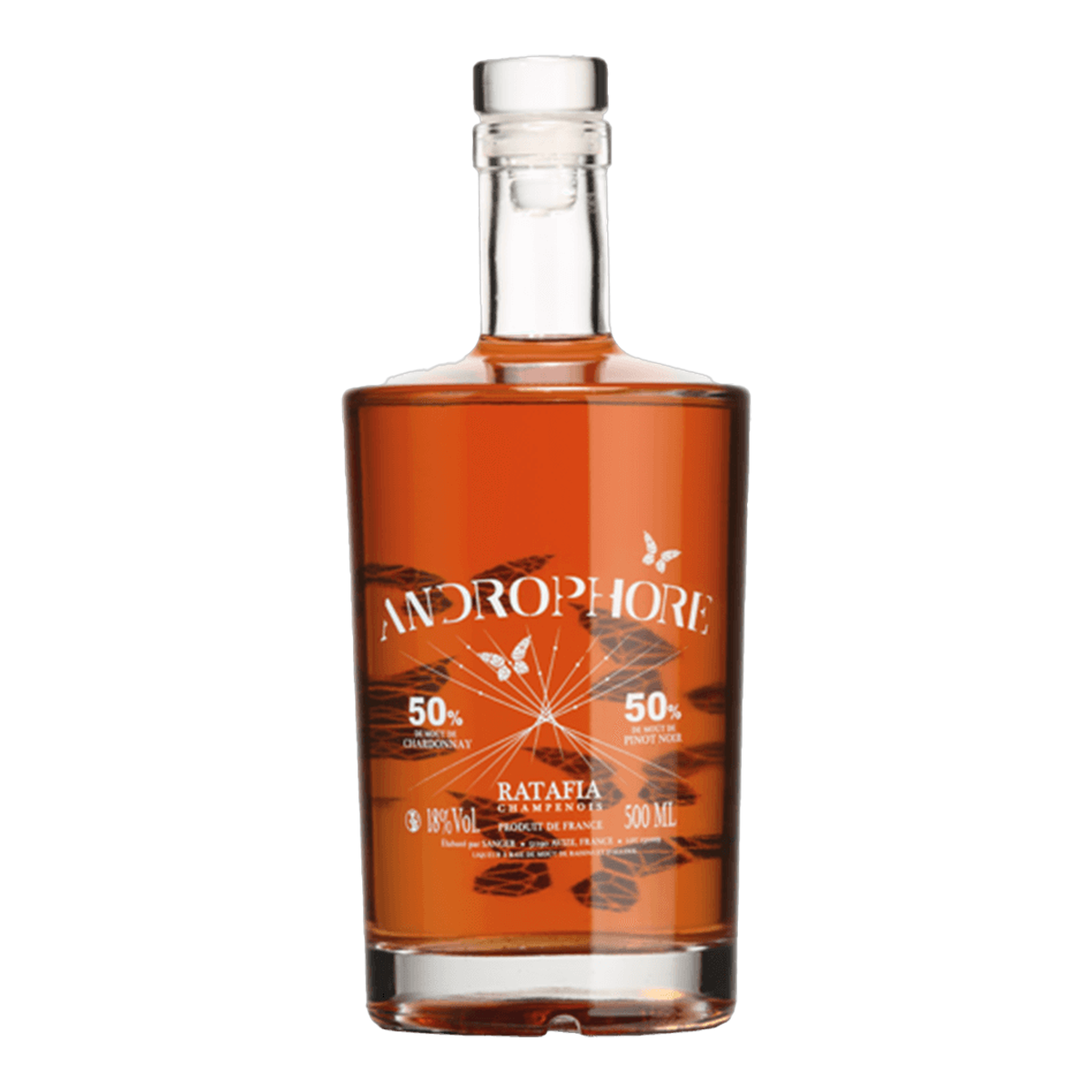
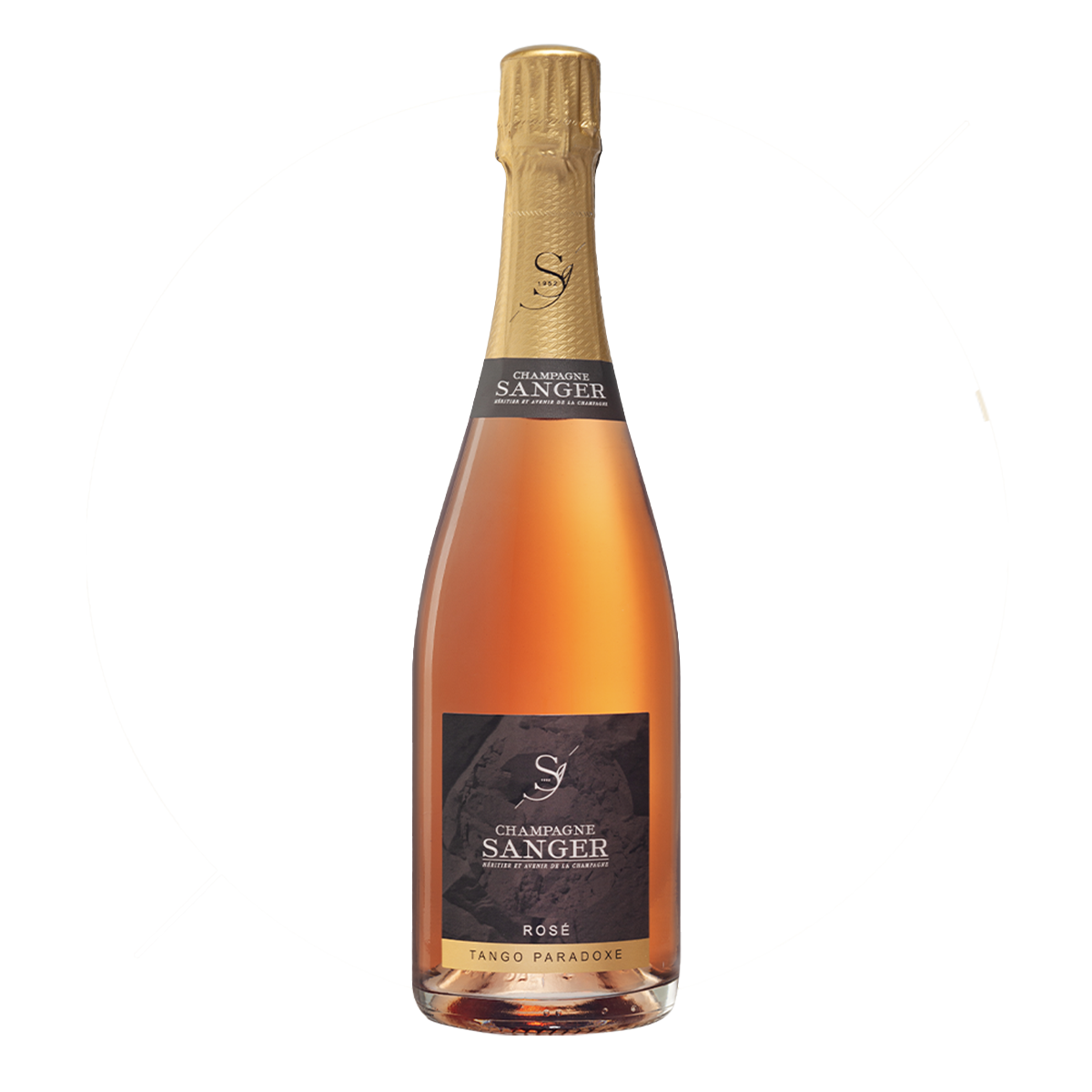
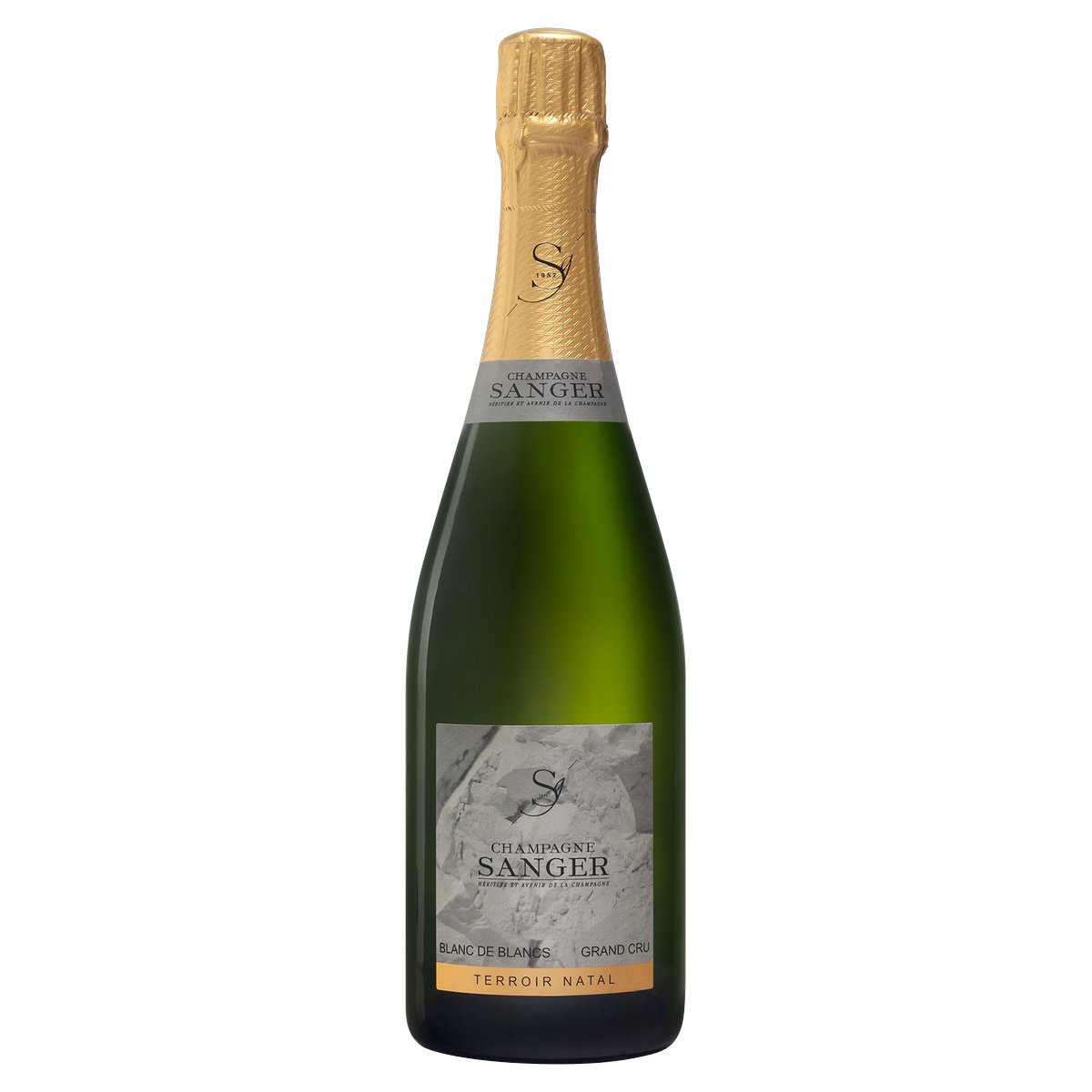
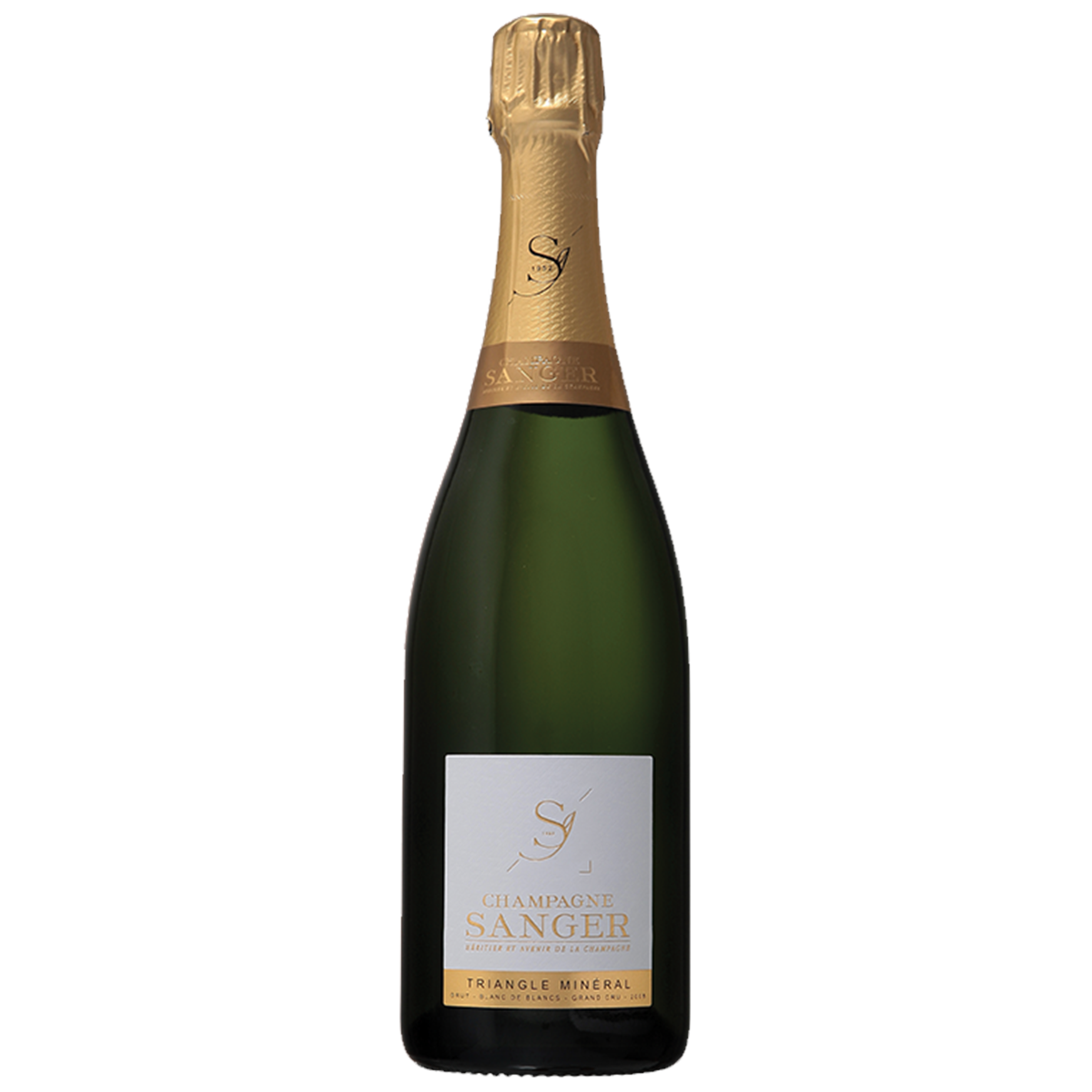
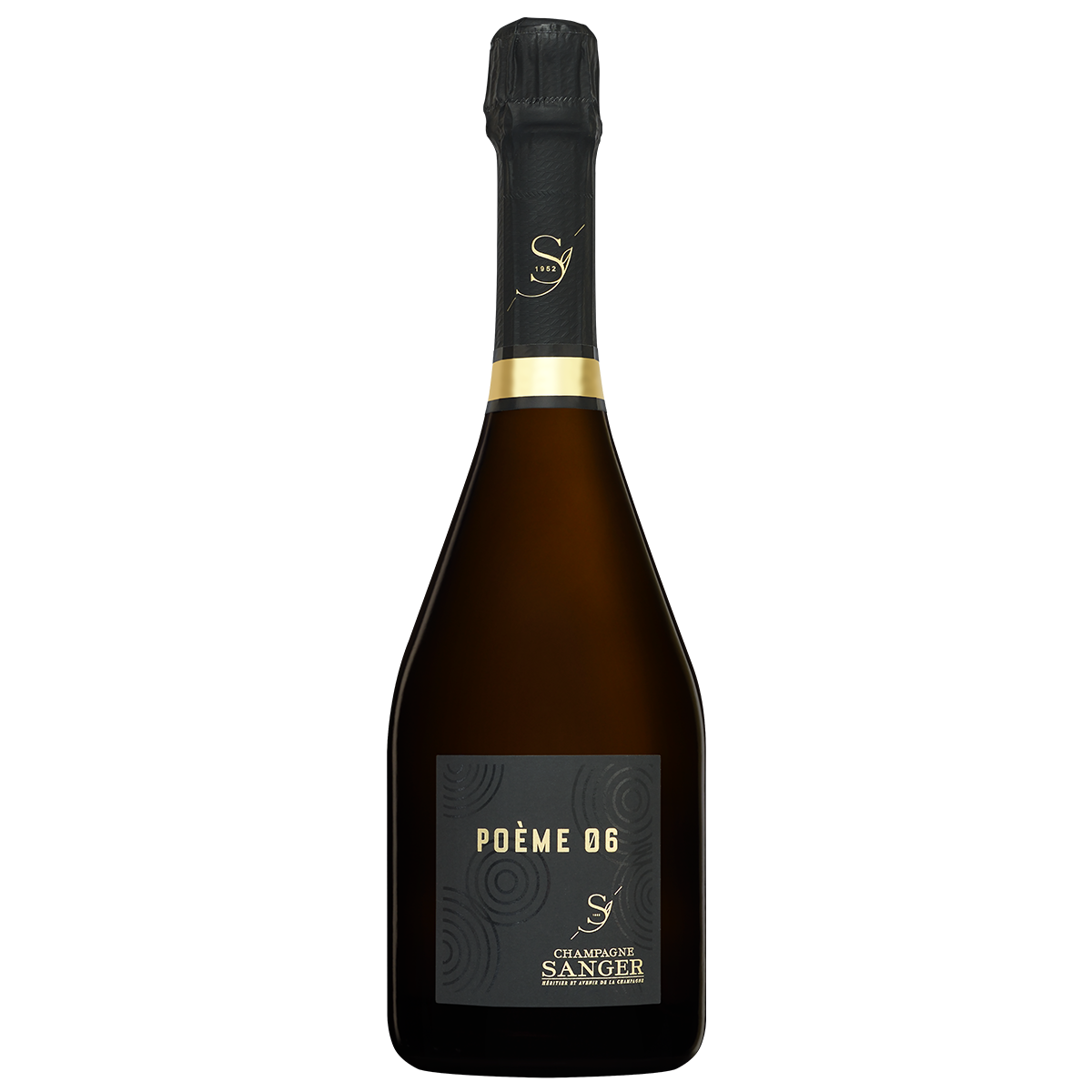
Champagne Sanger
【Champagne where tradition meets a modern approach】
Champagne Sanger was born in 1952 of the will of sixteen growers, most of them from the Montagne de Reims.
Hoping to carry the appeal of Champagne's terroirs out into the world, they chose to establish Sanger's home at Avize.
All of them graduates of the wine school at Avize, they could imagine no better place than the heart of the Côte des Blancs.
Sanger owns thirteen hectares spread across 42 crus that between them stand for the whole of Champagne, reaching into every one of its terroirs.
Grand Cru Chardonnay and Pinot Noir account for 70% of that holding and give cuvées of rare elegance, delicacy and character.
The reserve wines are kept apart by vintage and chosen for their capacity to age.
Over the years they underpin each vintage and hold the house style steady.
"To offer cuvées that marry traditional Champagne making with a modern approach, we have to know where we come from — only then can we understand where we ought to be going," says cellar master Nicolas Robert.


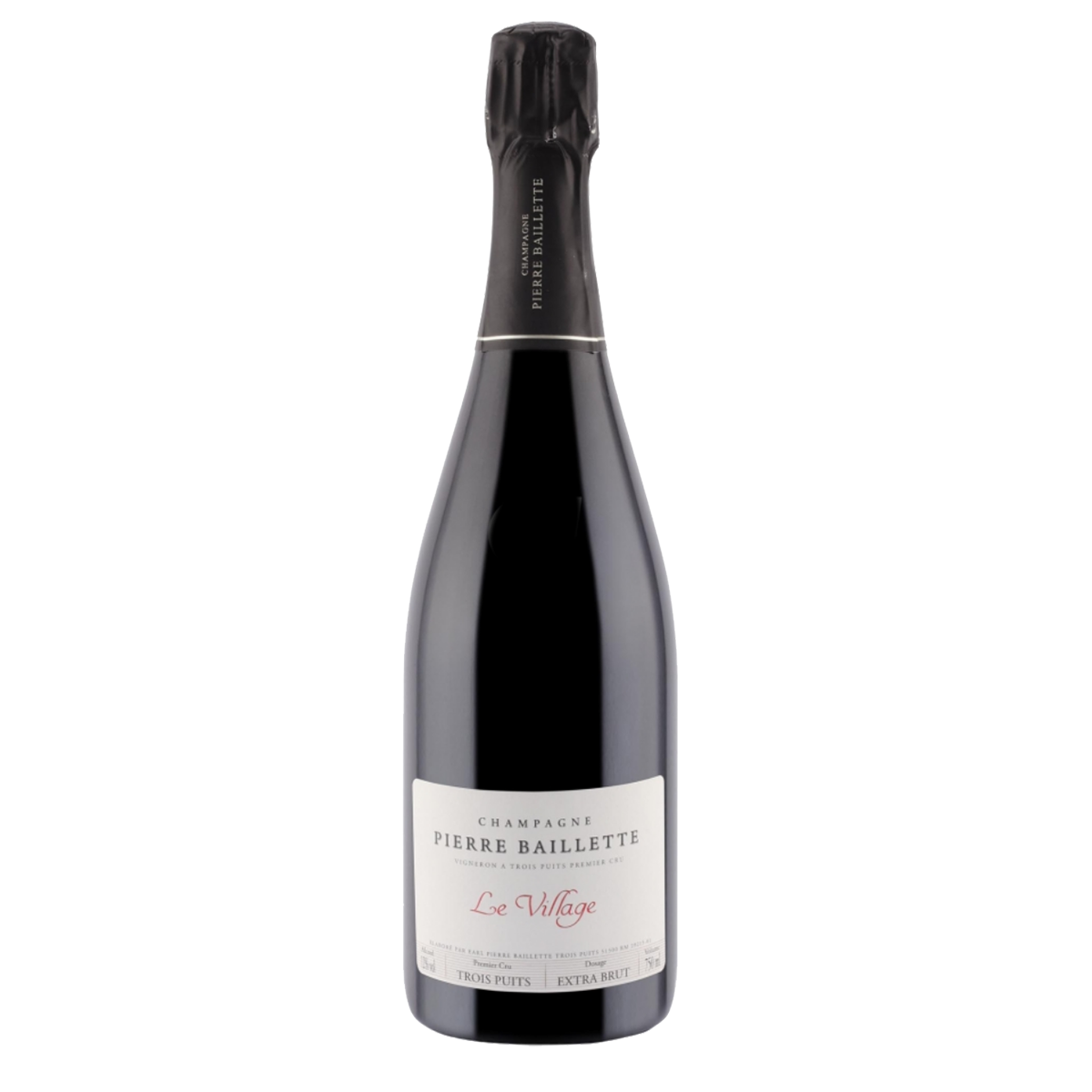
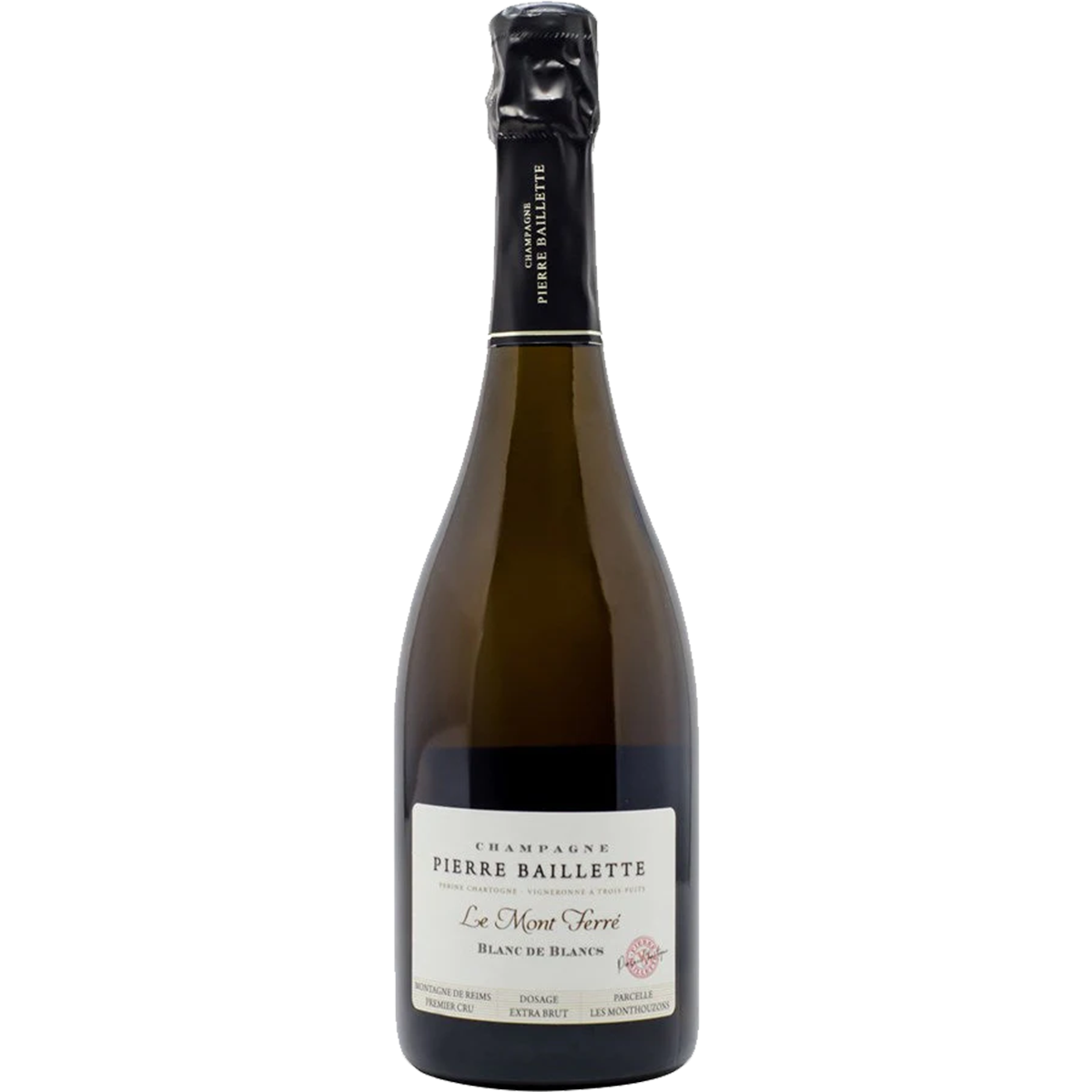
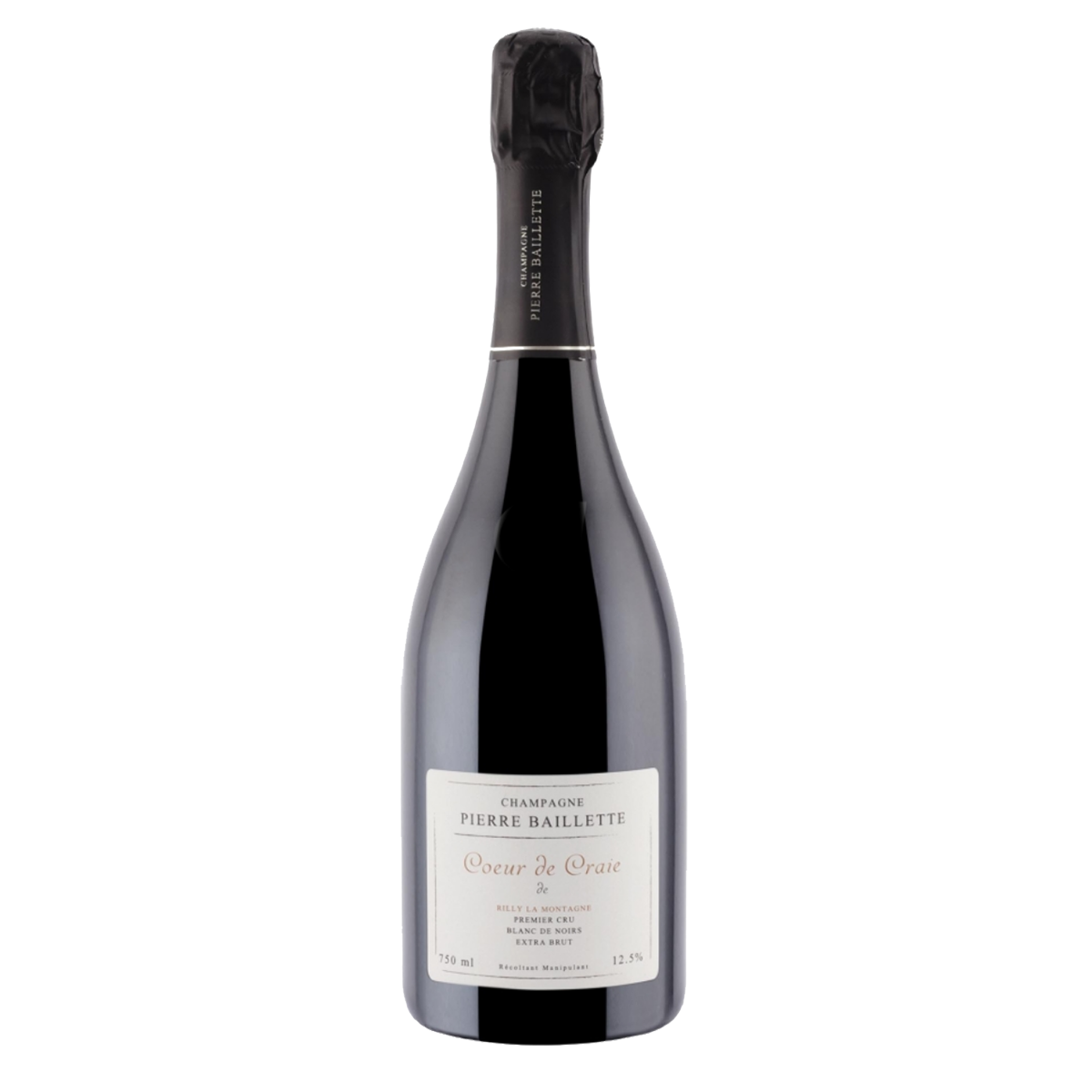
Champagne Pierre Baillette
【Champagne of pure, luminous transparency】
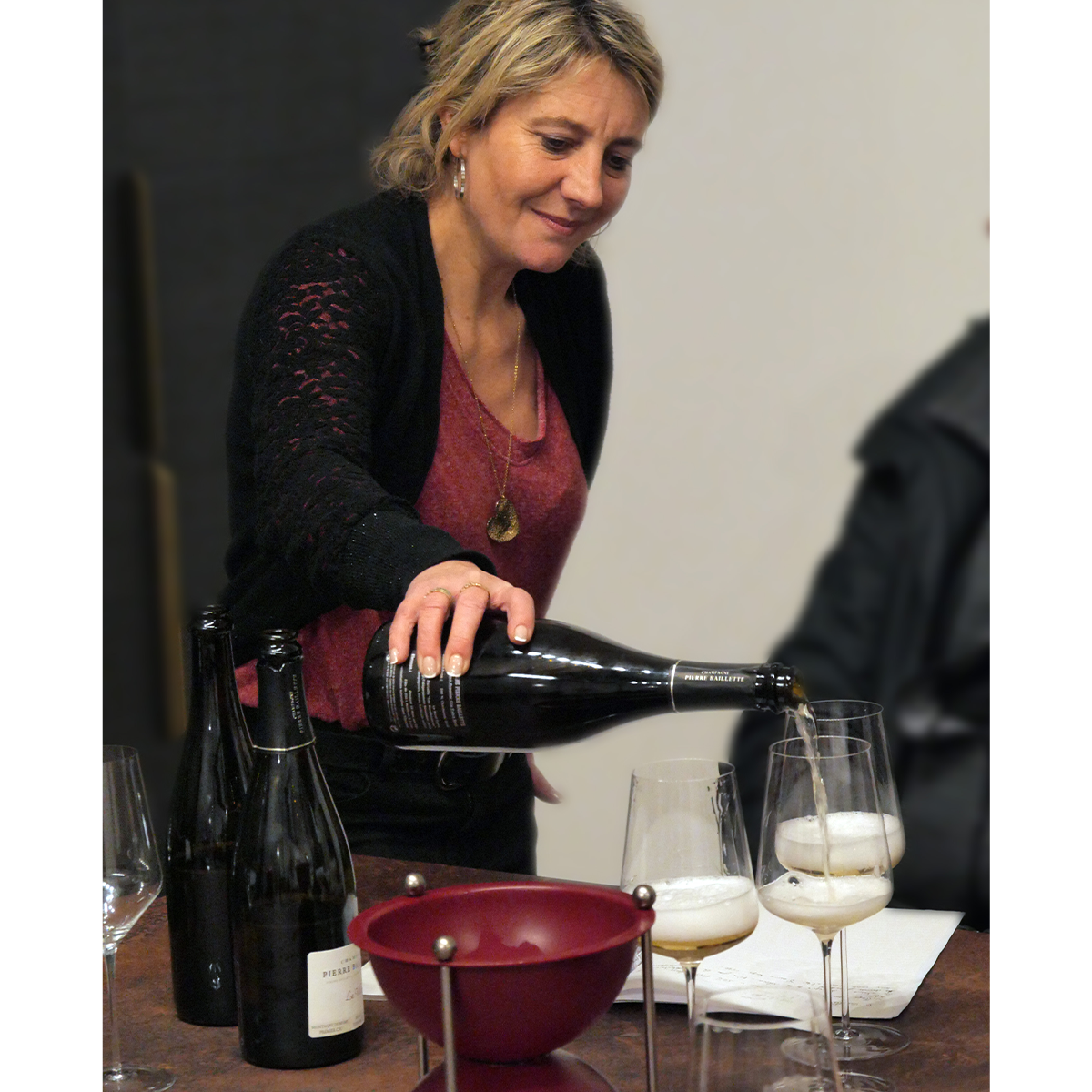
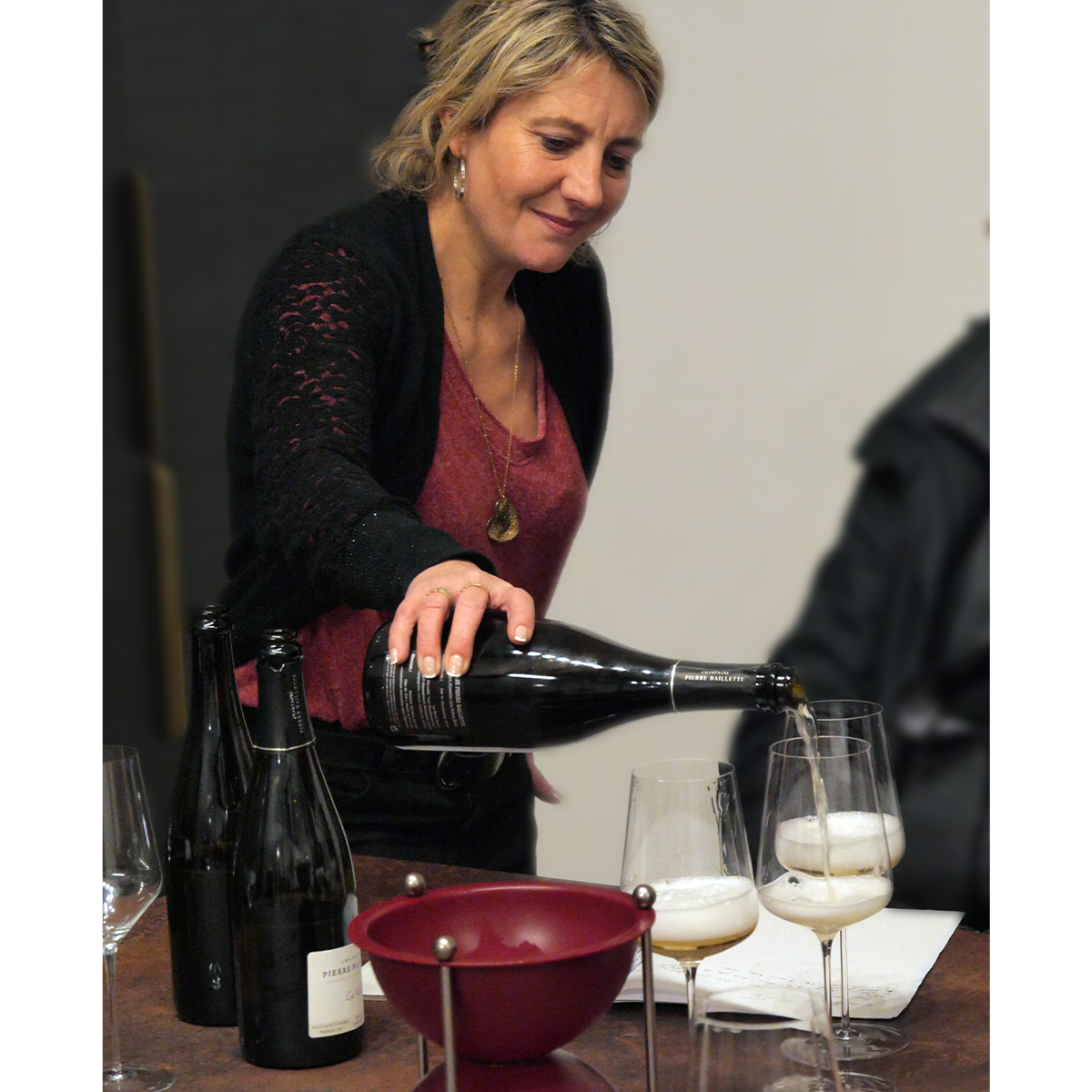
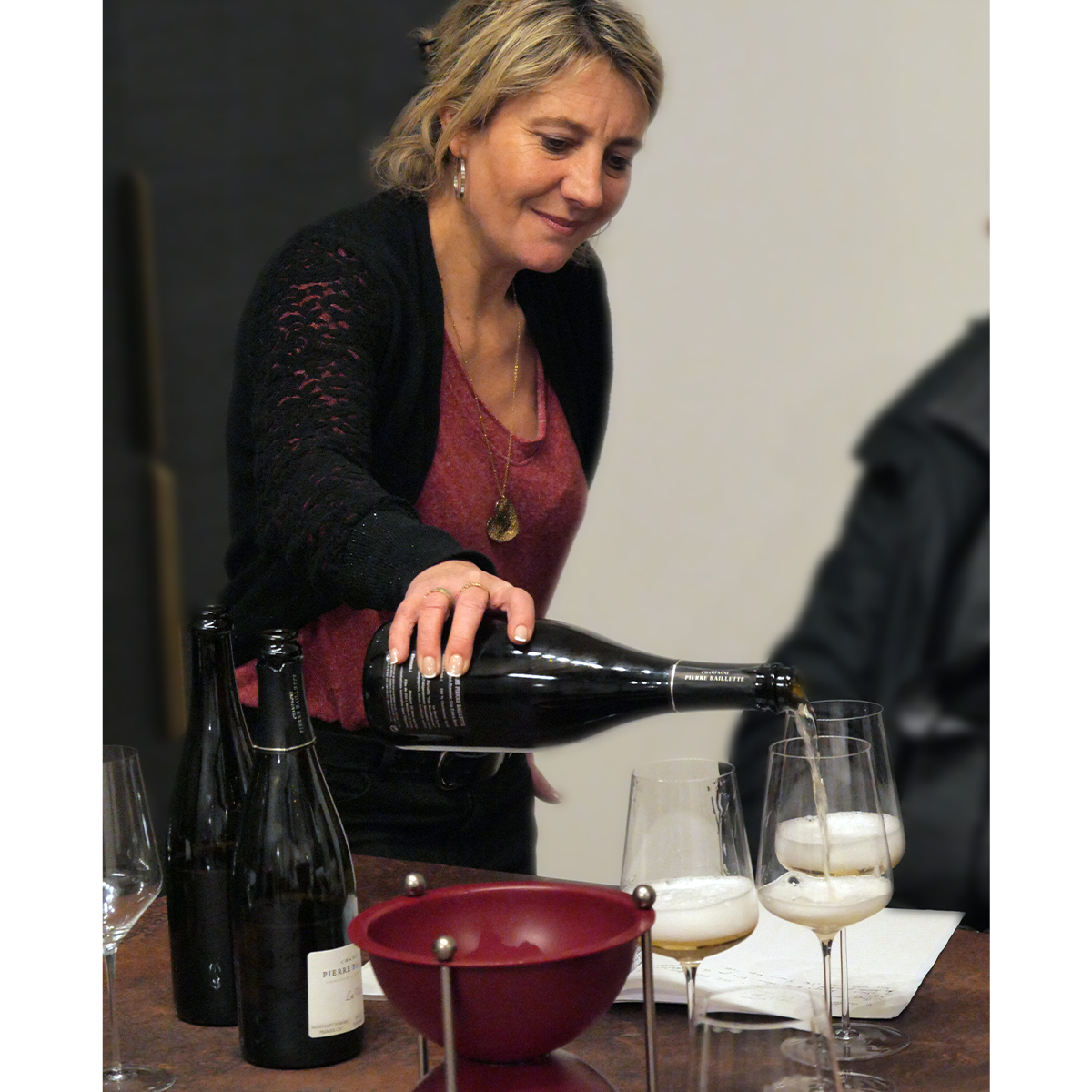
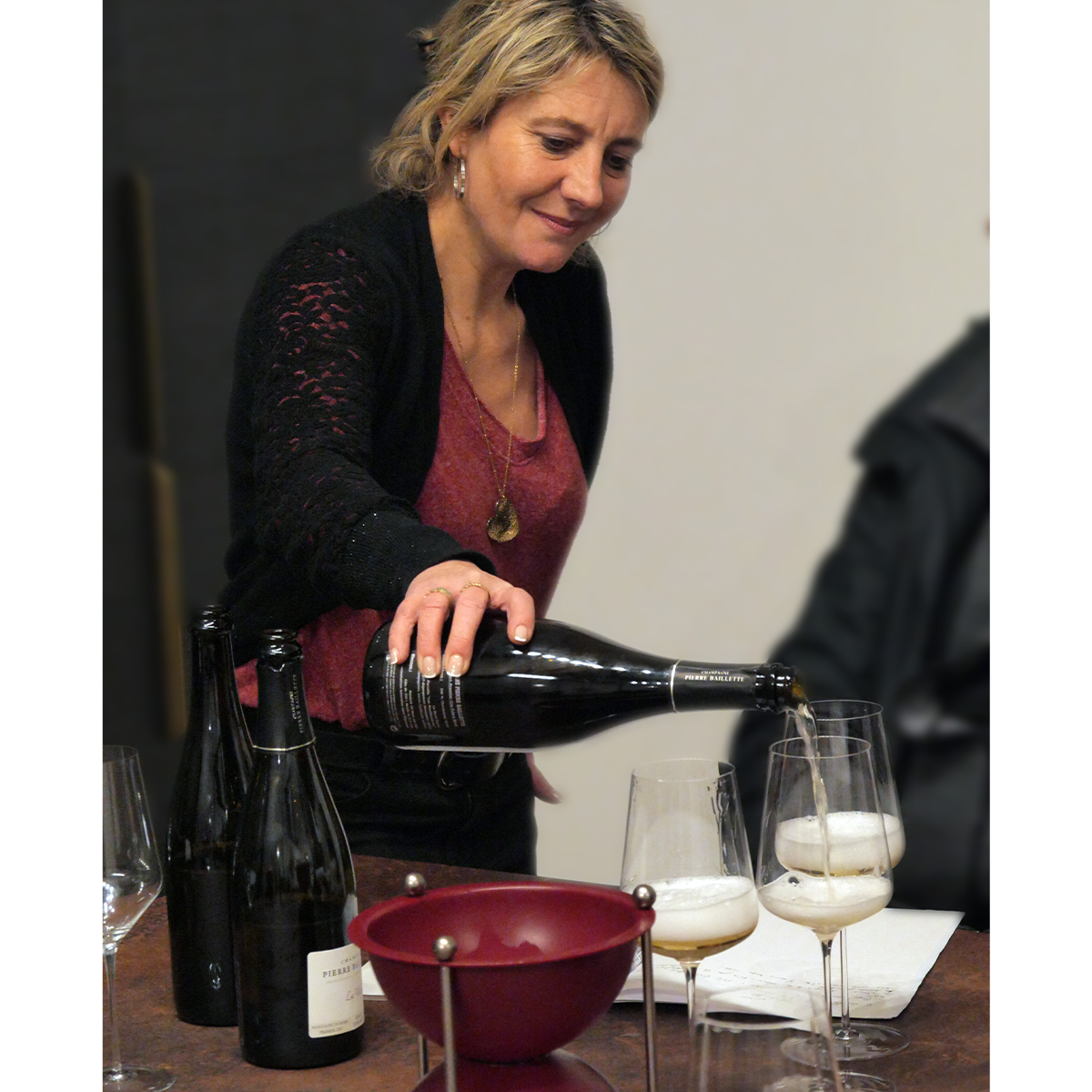
A house in the village of Trois-Puits in the Montagne de Reims, run today by Perrine Baillette, daughter of Pierre Baillette.
She learned her craft under her former husband Alexandre Chartogne of Chartogne-Taillet, and works along much the same lines.
Drawing on a real gift for the work, she has devoted herself to making Champagnes in which every cuvée expresses its terroir to the full.
She farms 3.65 hectares of Grand Cru vineyard. Most of the fruit is Pinot Noir from vines over thirty-five years old in Trois-Puits and Rilly-la-Montagne, with a little Chardonnay from Verzenay.
Since 2010 not a single chemical treatment has touched the vines, and machinery is kept to an absolute minimum.
Two horses, Tarzan and Saumur, do the ploughing. In pursuit of the purest possible Champagne, no cultured yeasts are used and dosage is kept tiny.
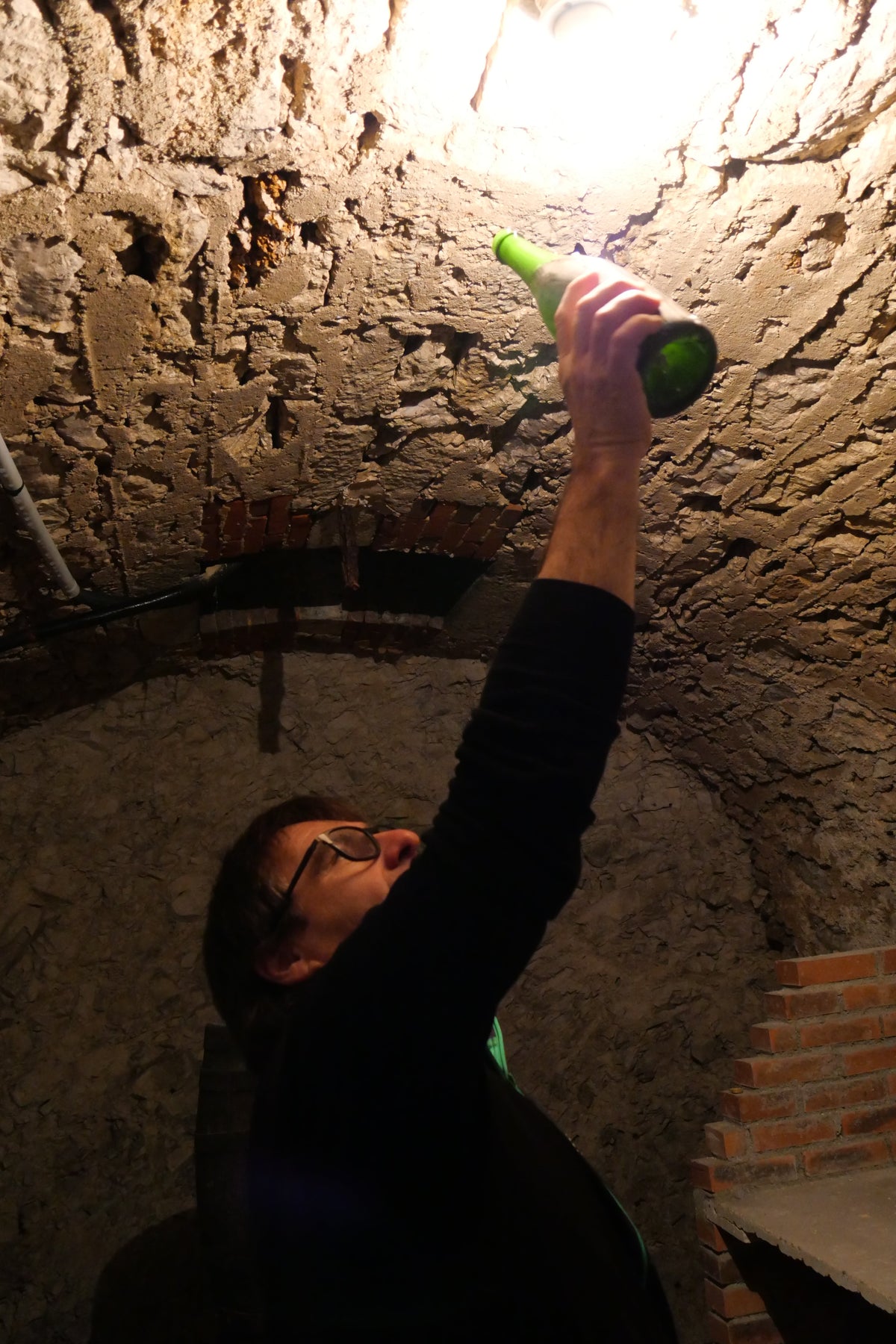
The wines age slowly in the cellars for three to six years, then rest a further six months at least on cork before release.


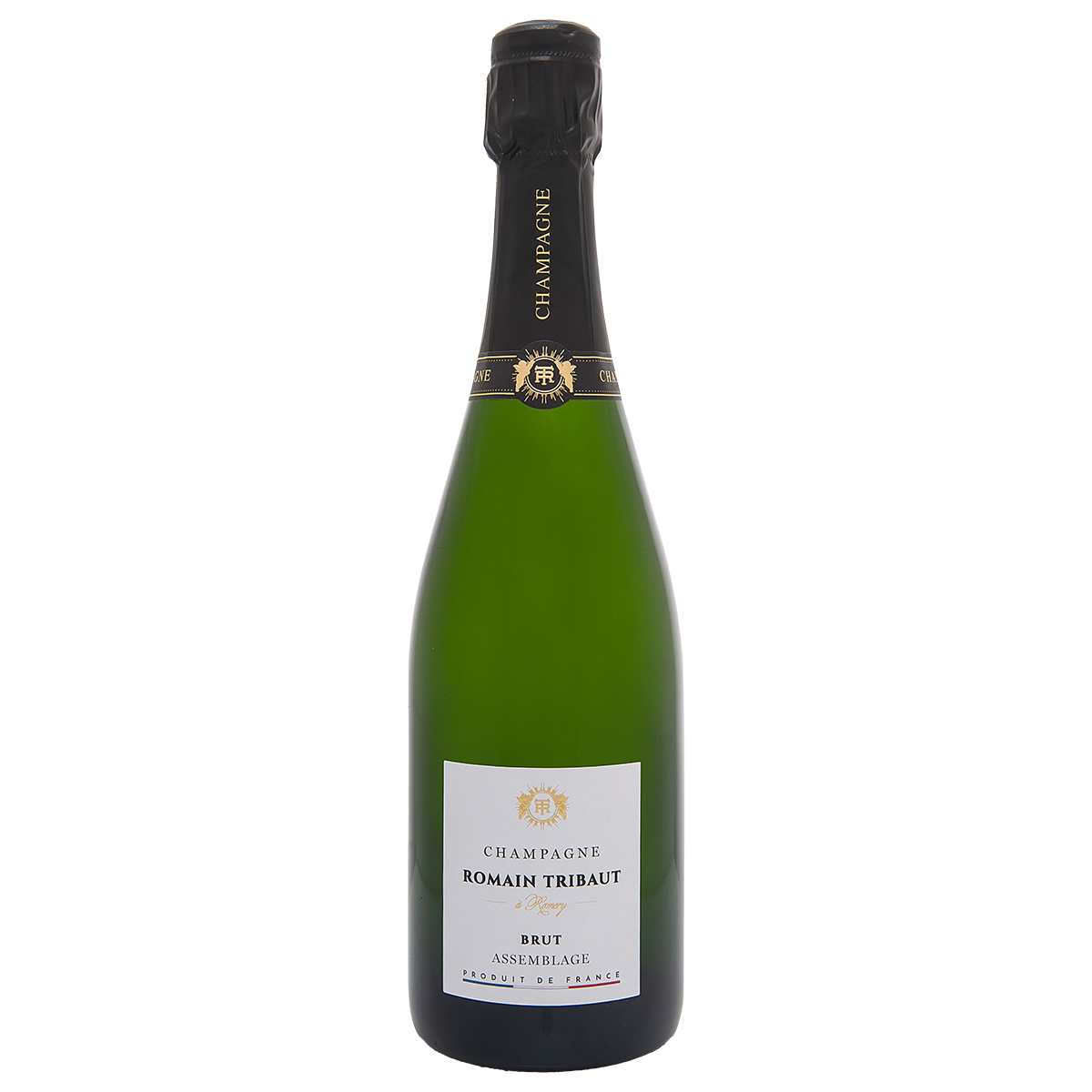
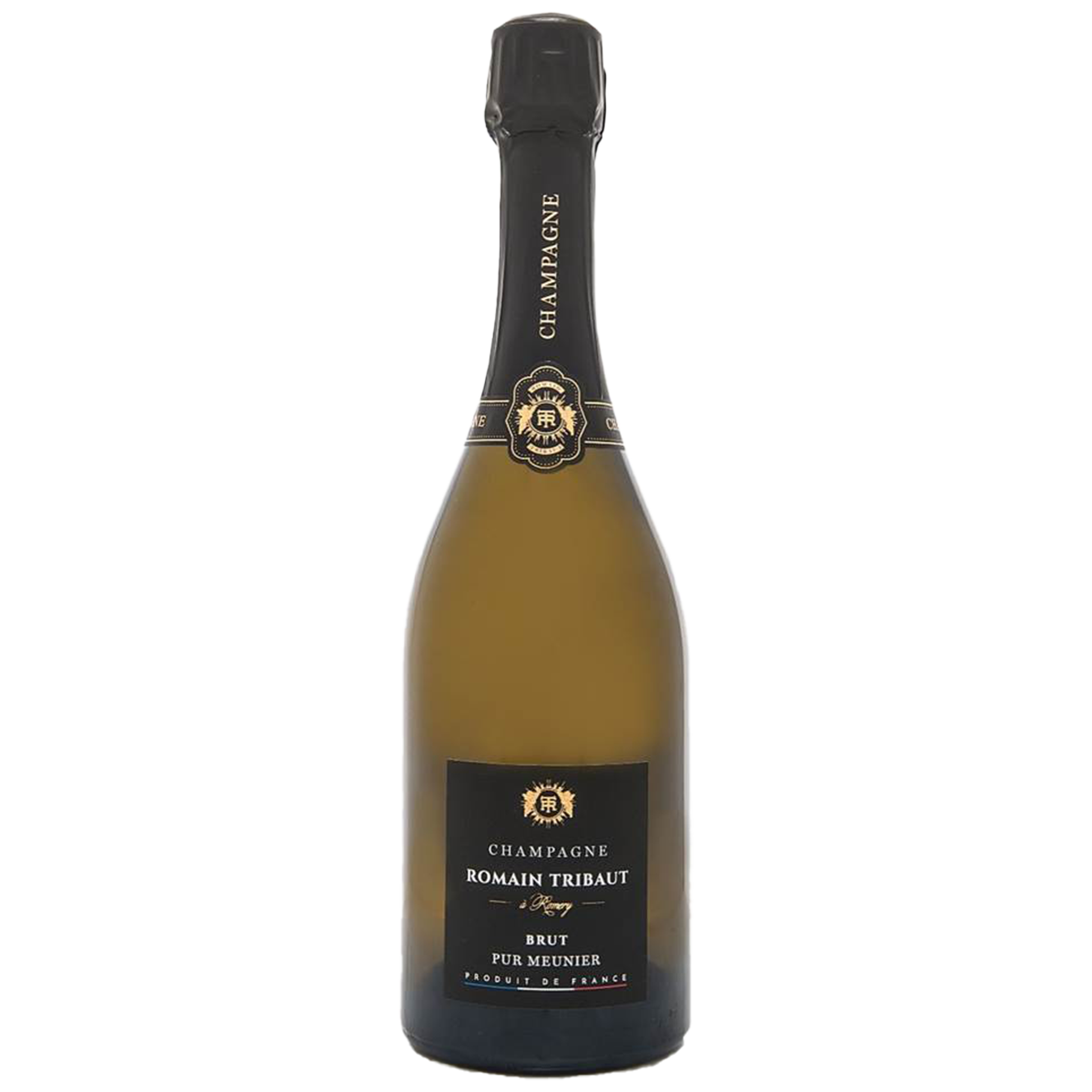
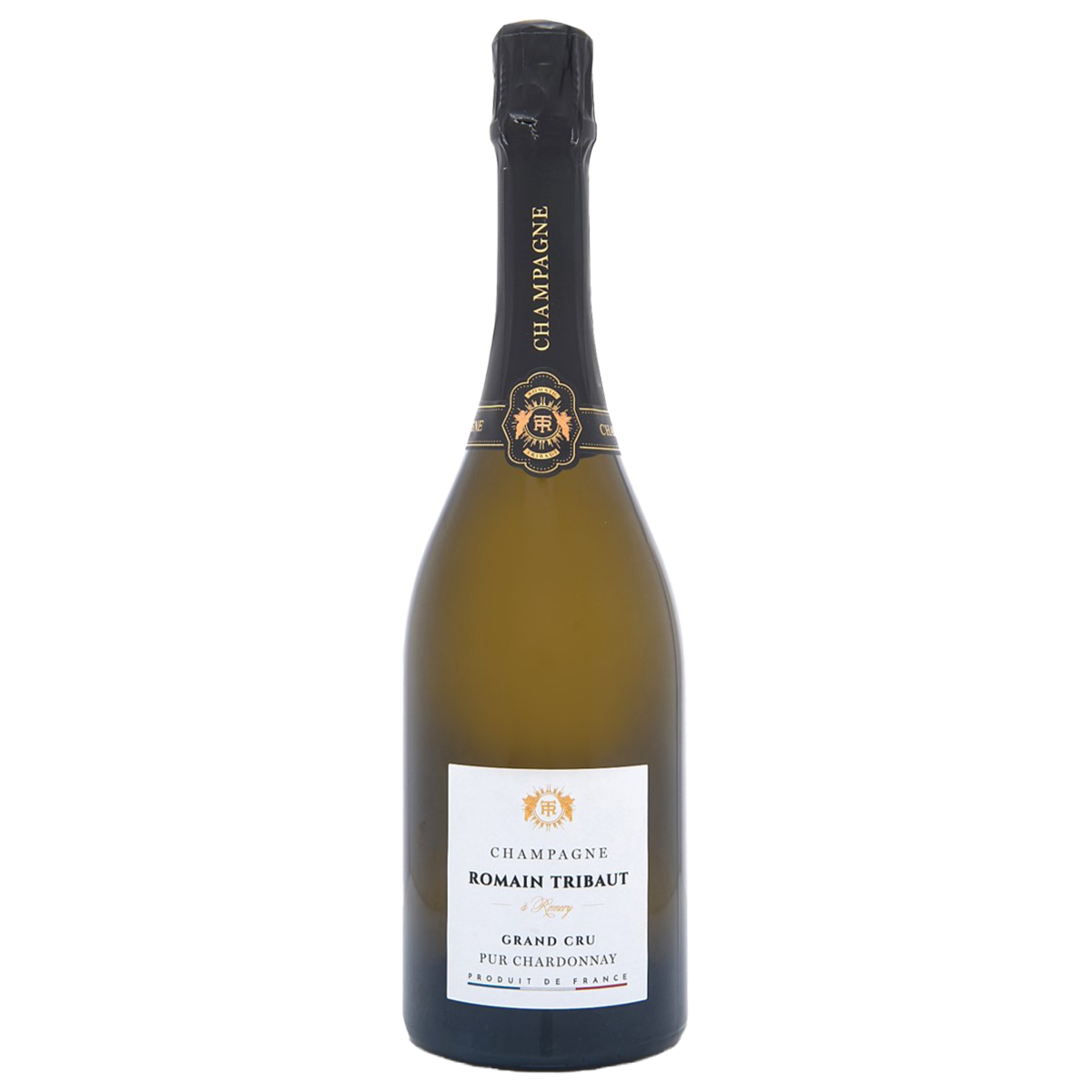
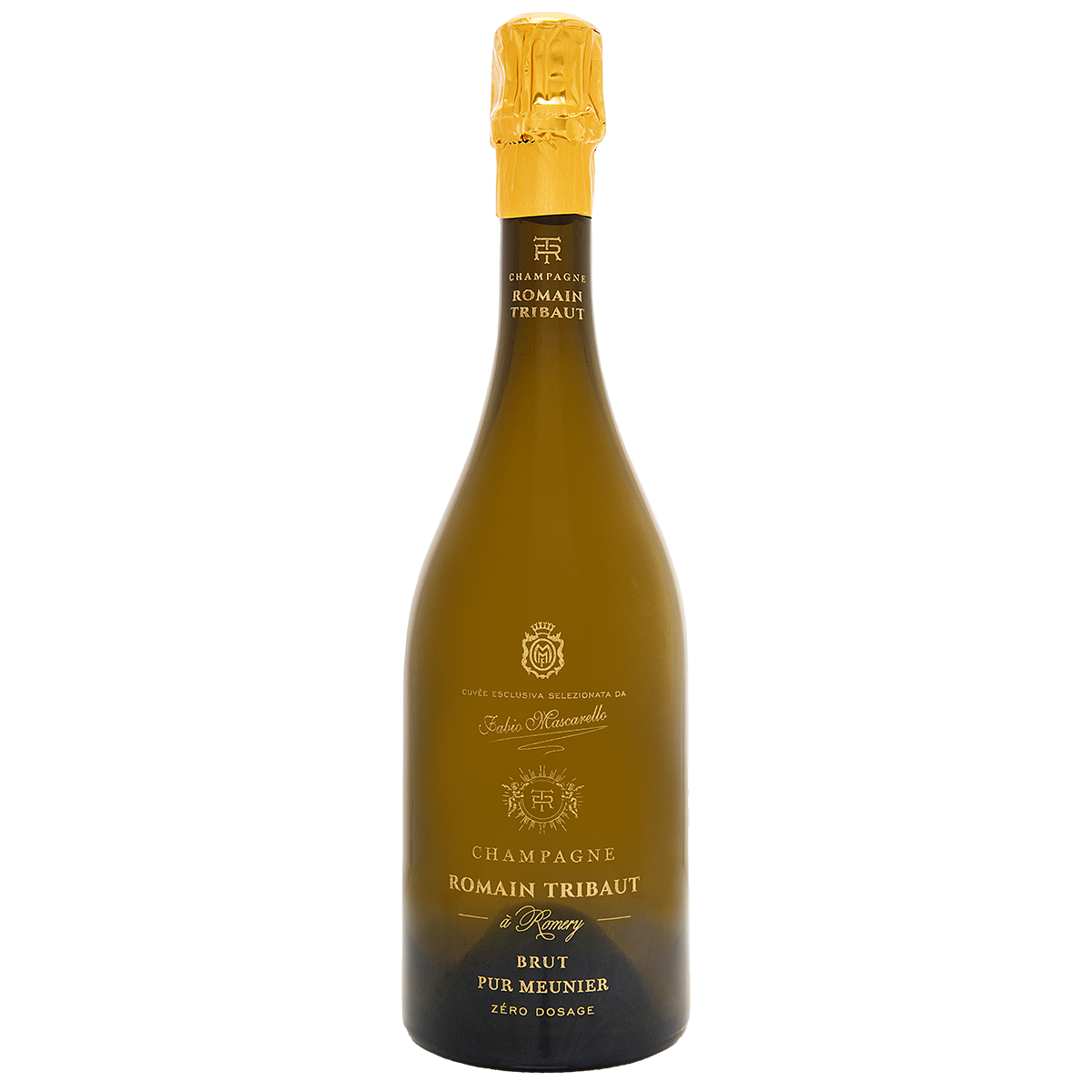
Champagne Romain Tribaut
[Where tradition meets the modern]
In the 1930s Roger Tribaut took charge of the Dizy and Épernay vineyards of the Champagne house Lanson, a post he held until his retirement in 1965.
Throughout those years he also ran the family vines inherited from his father Léon, buying land on the slopes of Romery to enlarge the holding.
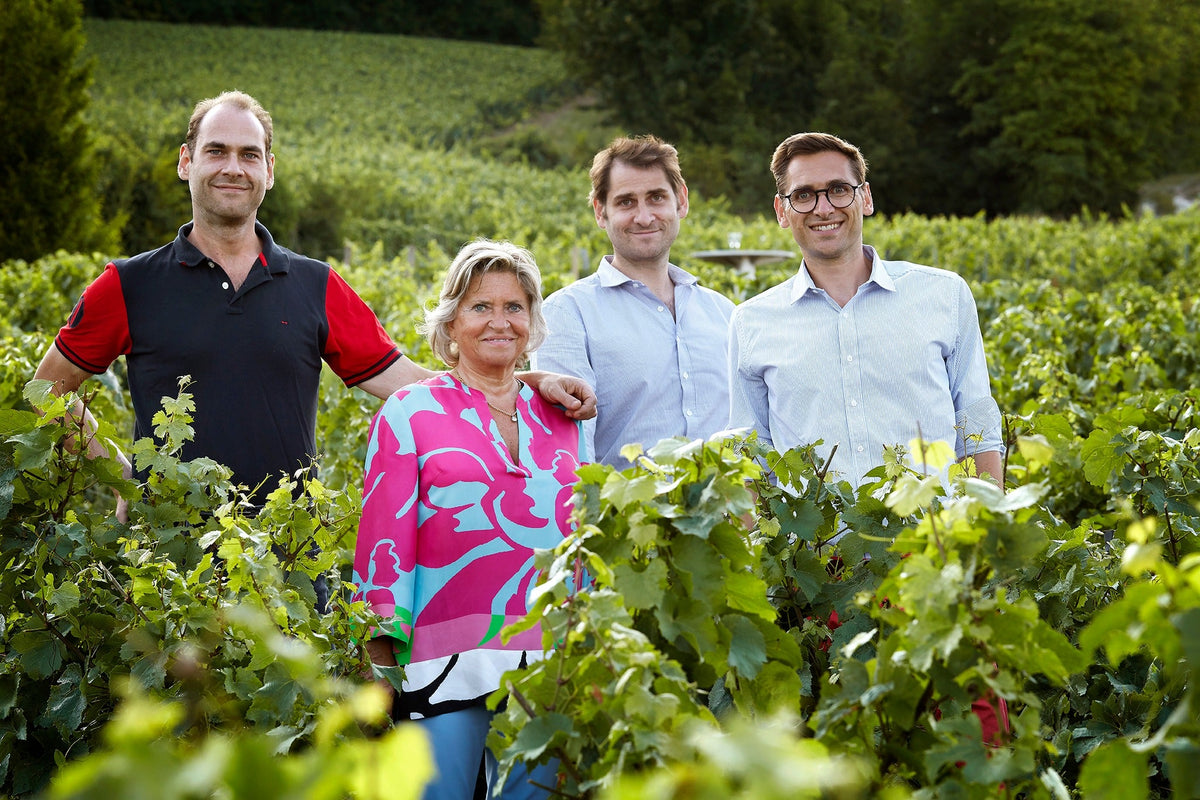
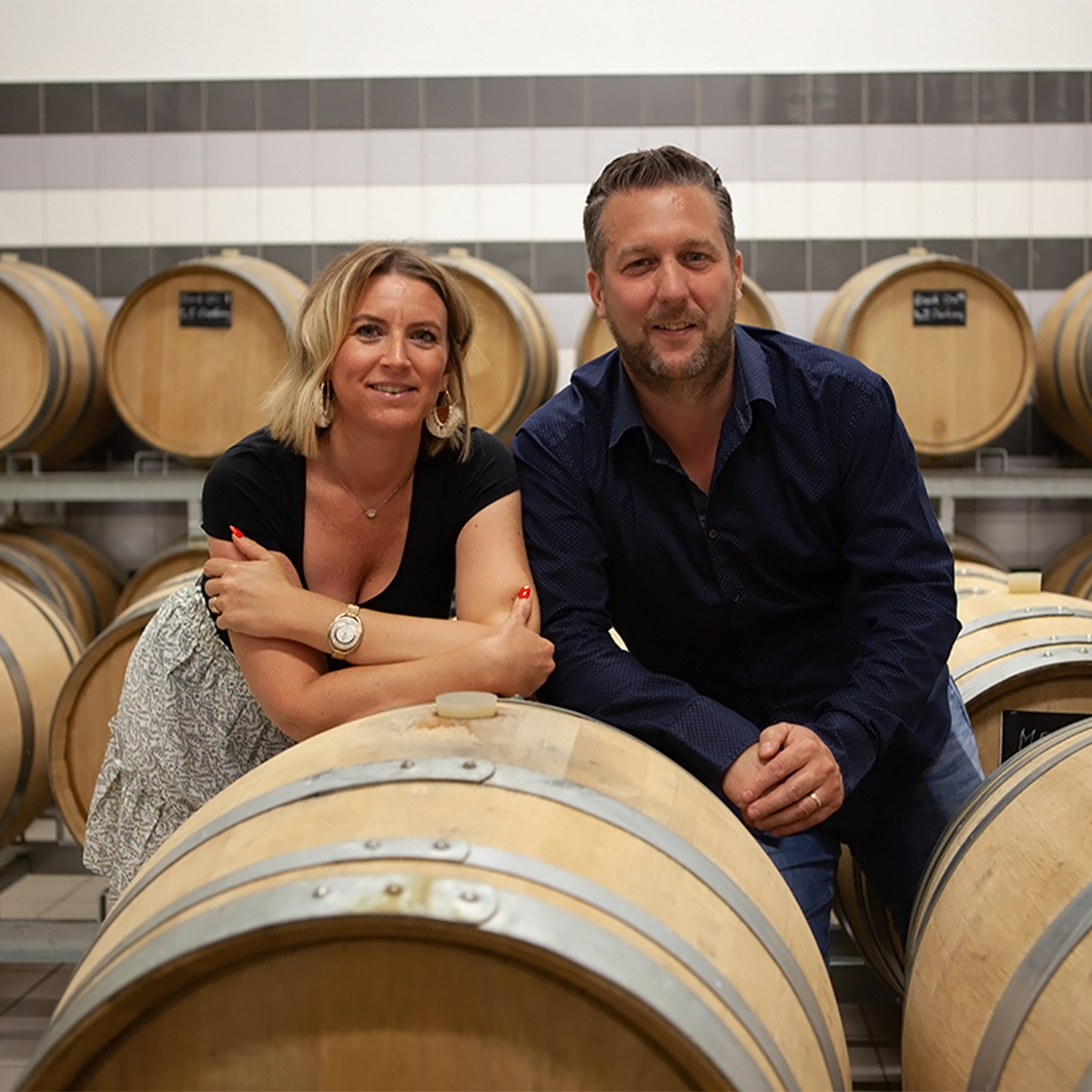
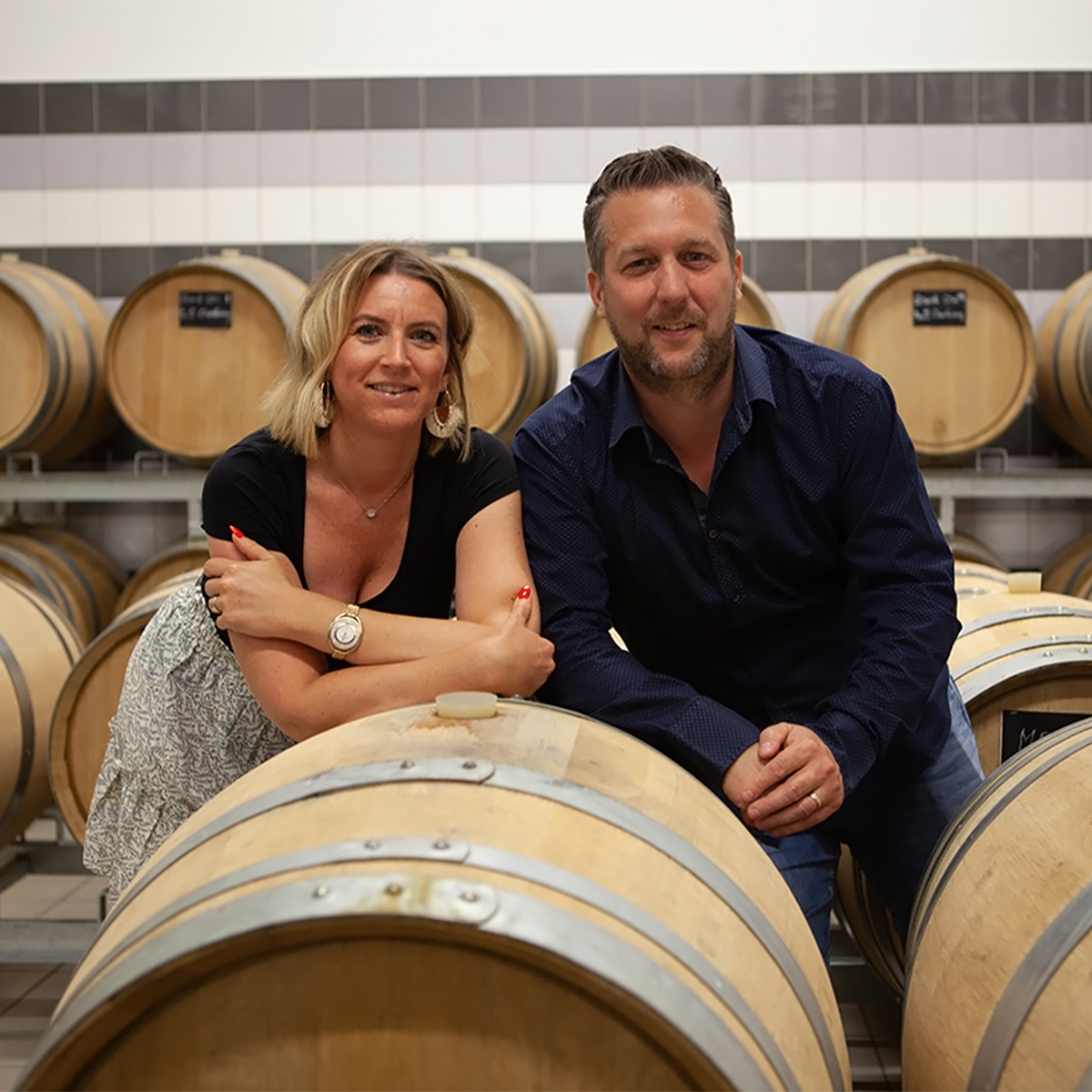
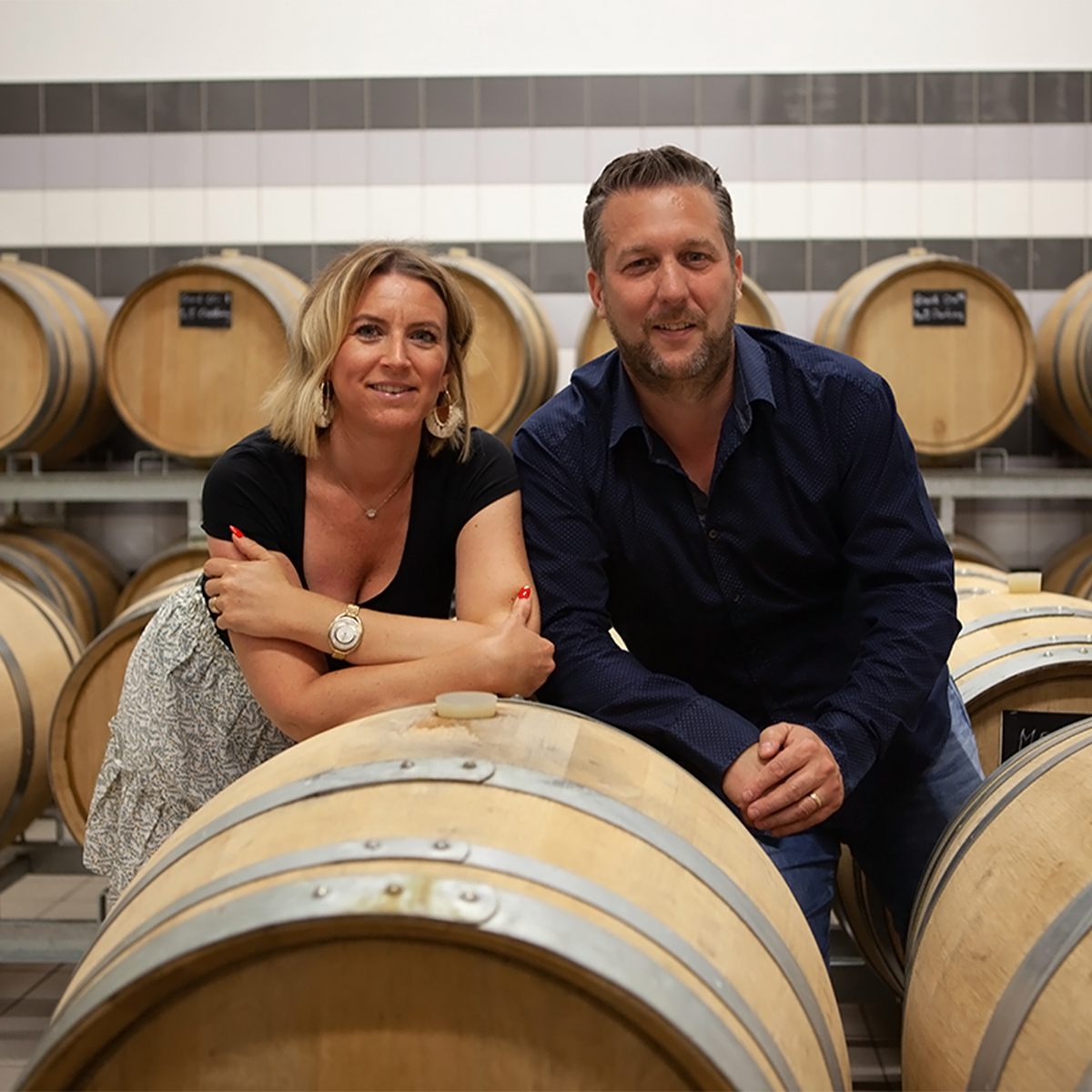
The house has since passed to Romain and Cindy Tribaut. Since 2015 they have committed themselves to working in wood, much as grandfather Roger once did, building their Champagne around that relationship with the barrel — and drawing from it a complex, honest, old-fashioned depth of flavour.
The fruit comes from Grand Cru Chardonnay in the Côte des Blancs, Meunier from the Vallée de la Marne, and Pinot Noir from the Montagne de Reims.
The Chardonnay gives the wines their golden gleam and sense of scale; the Meunier brings all the charm of the Marne.
Made with respect for the bond between people and vines, each vintage is a conversation between the years a vine has lived and Romain's own instinct — unaffected, unadorned, and unmistakably consistent in character.


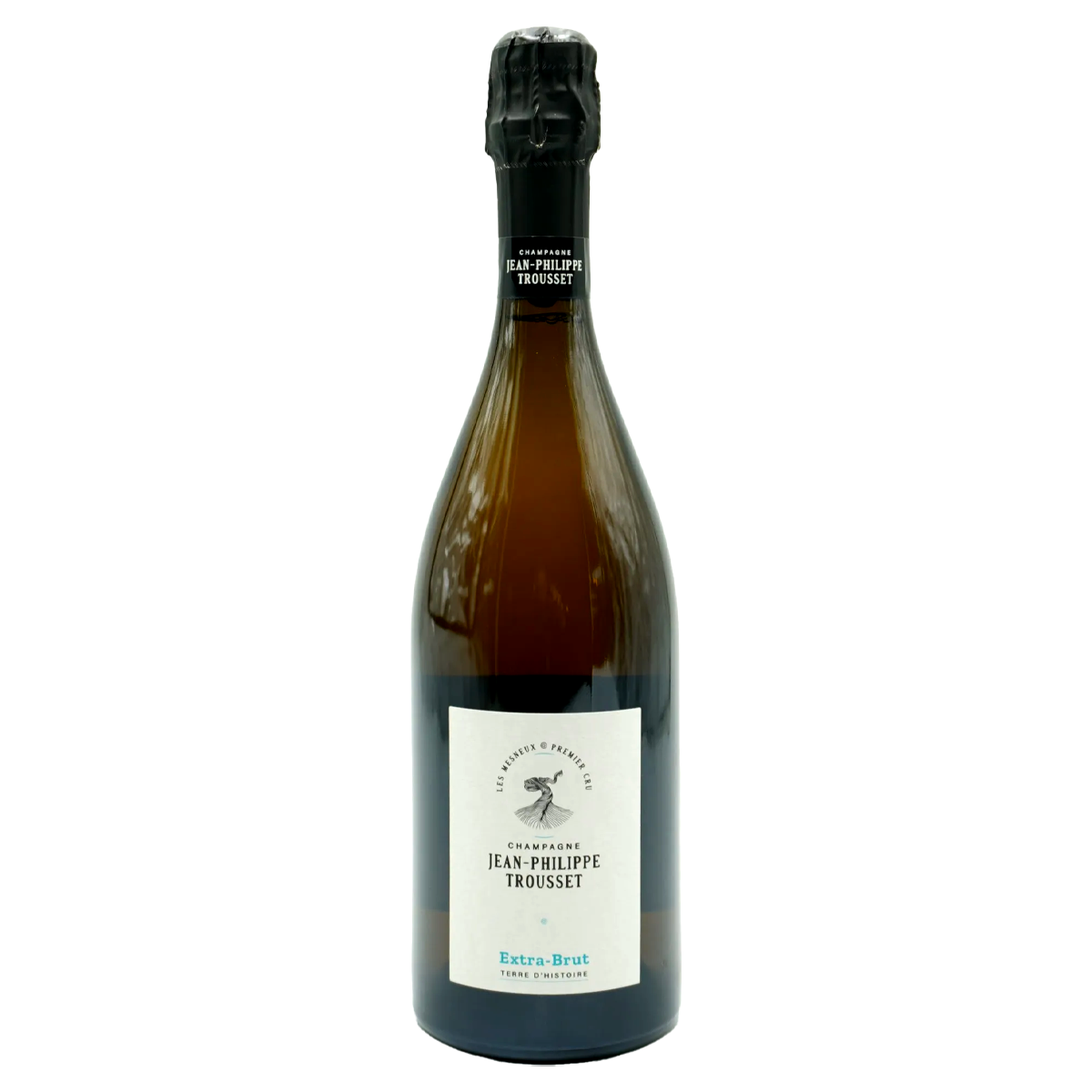
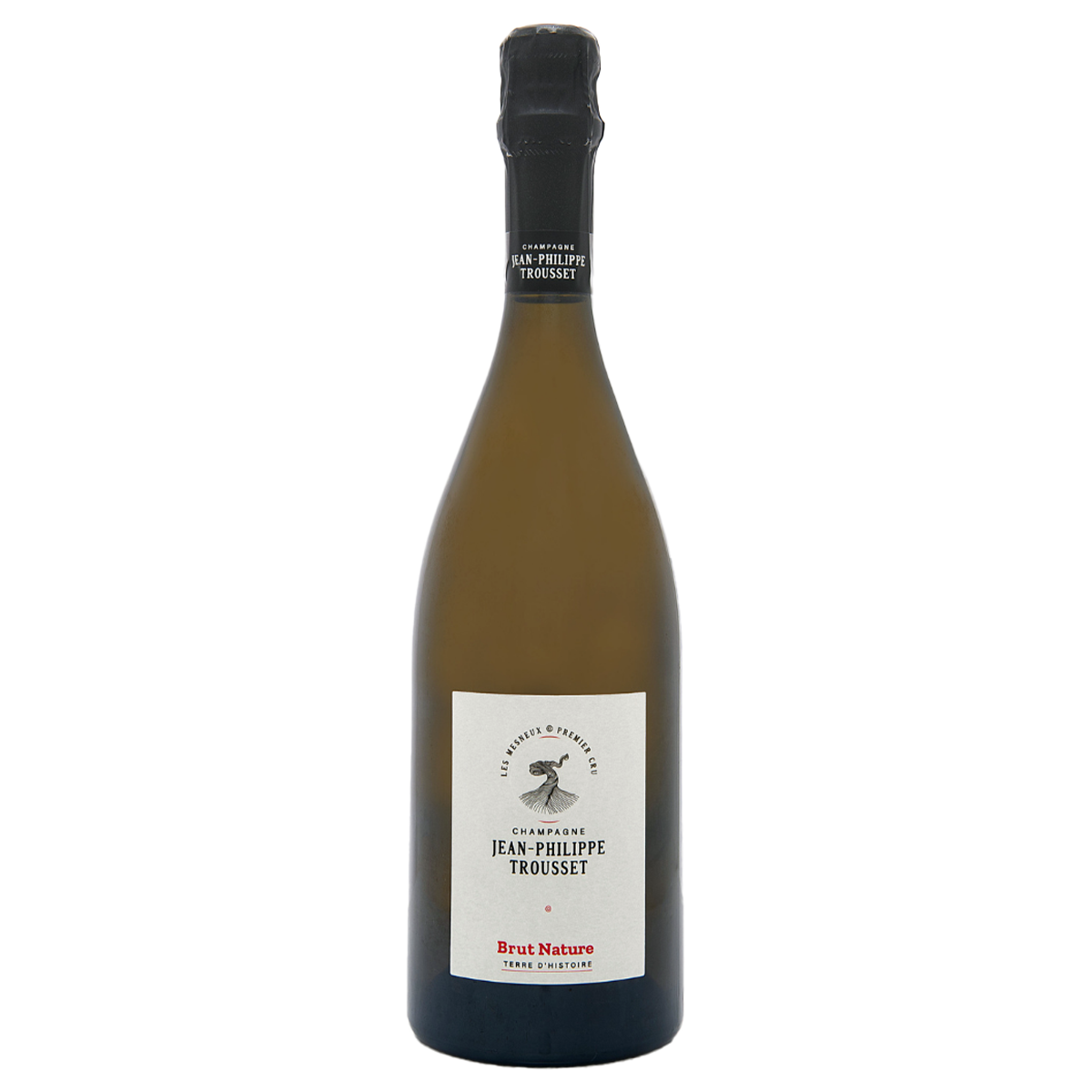
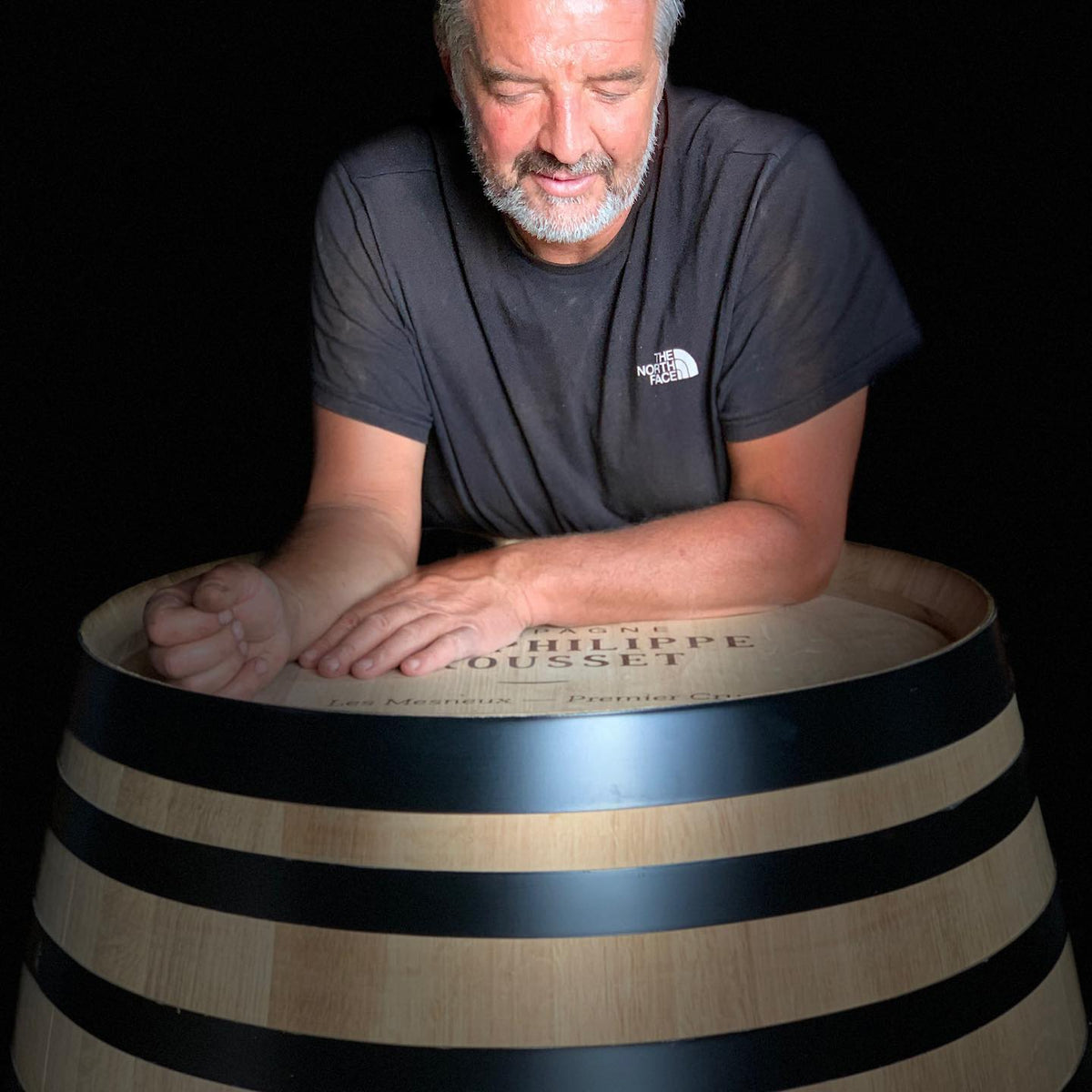
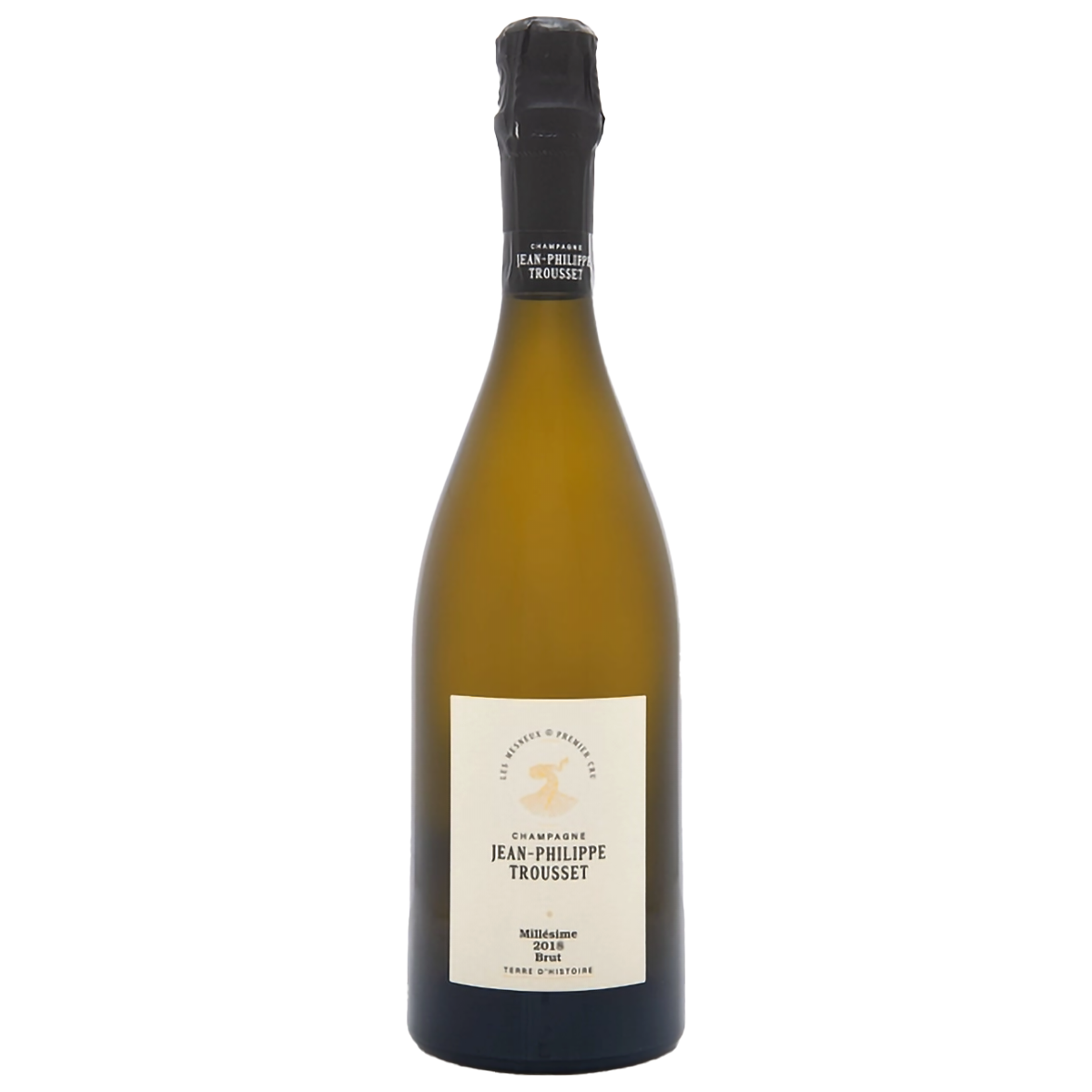
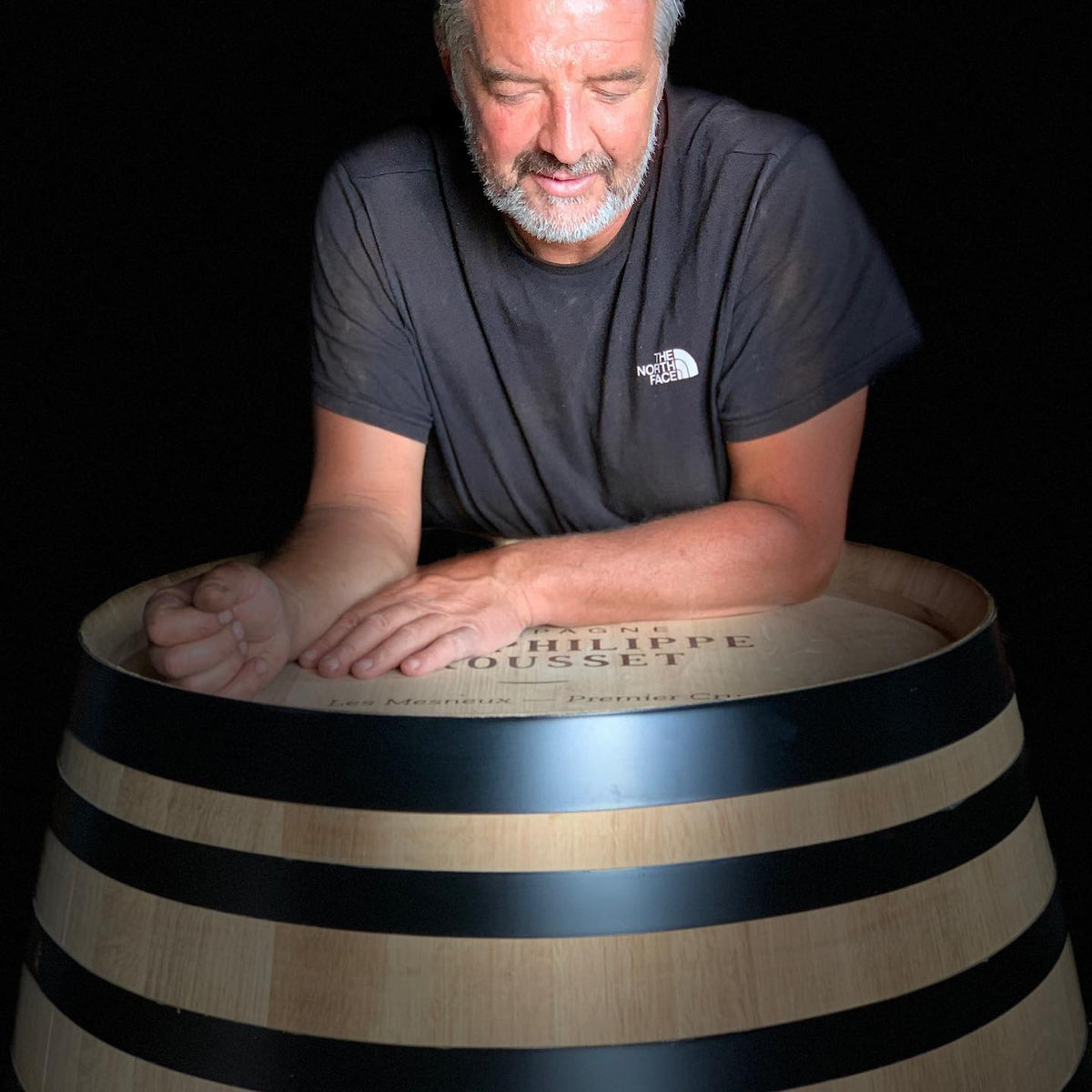
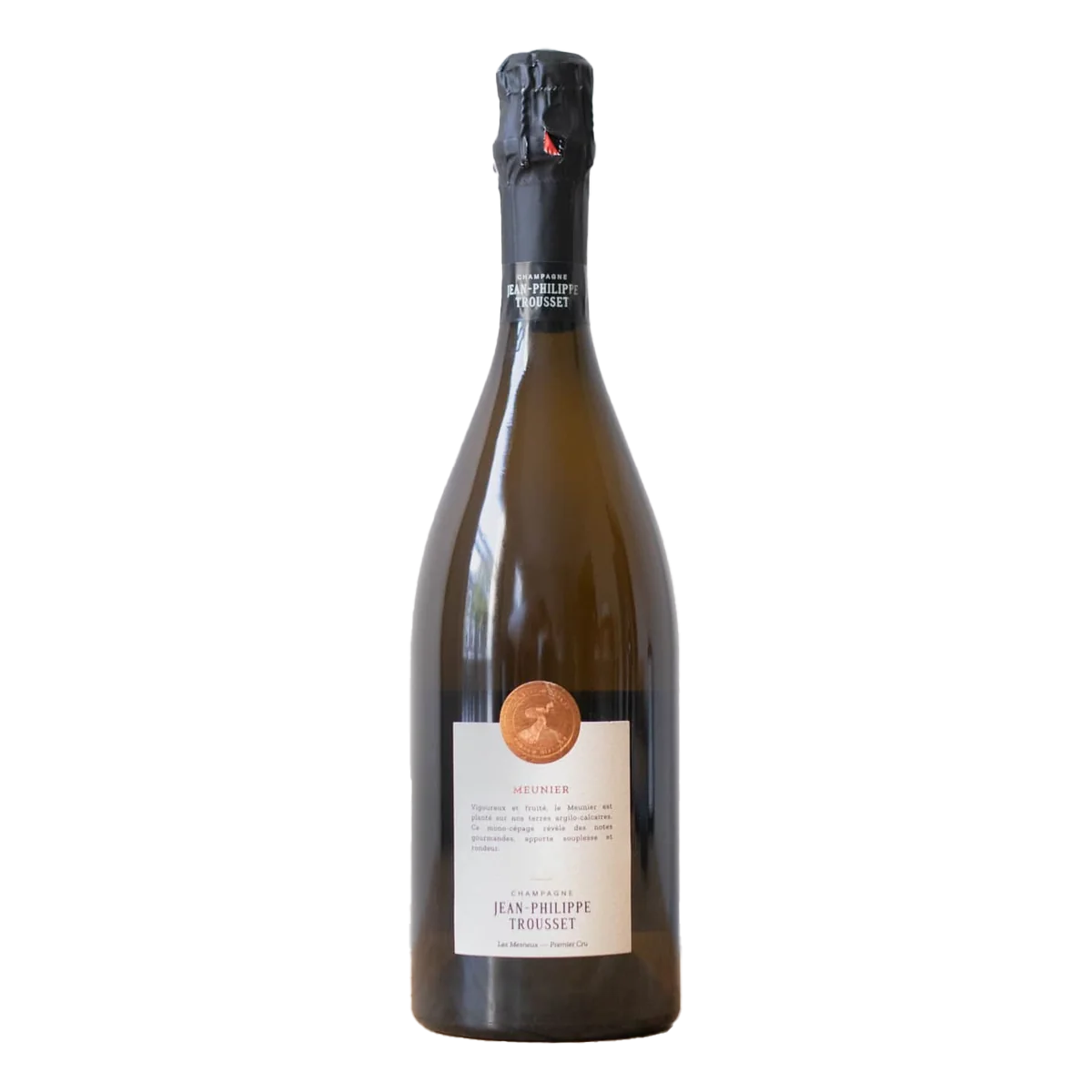
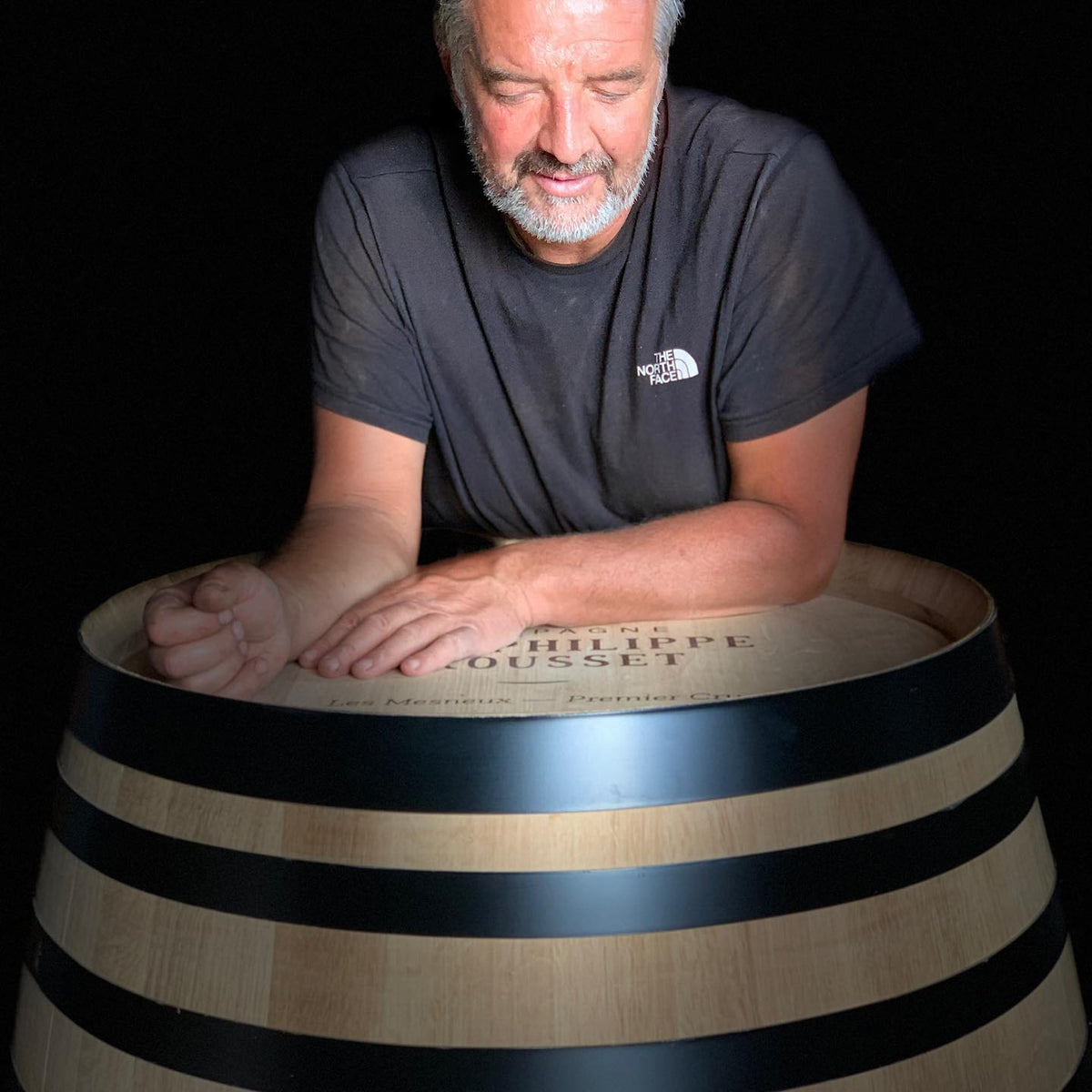
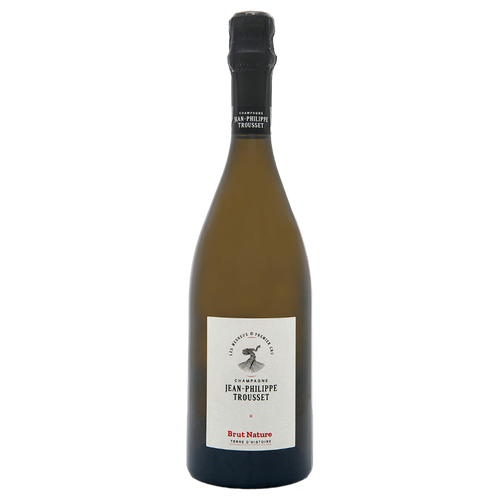
Champagne Jean-Philippe Trousset
【Champagne made only on a scale you can keep your hands on】
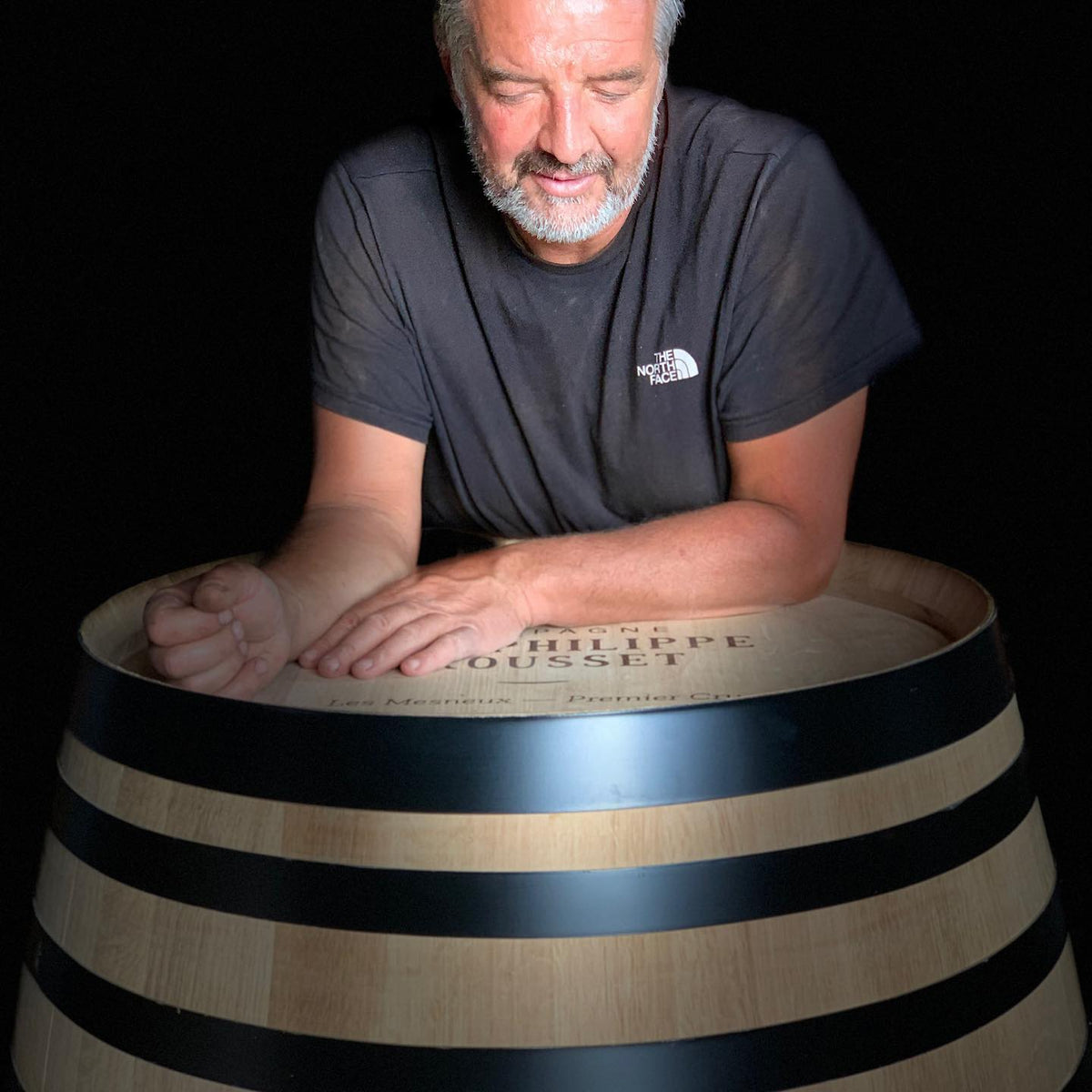
Jean-Philippe Trousset is a family house carrying its traditions forward, making Champagnes of high quality and singular elegance.
The estate is deliberately small — 7.6 hectares in all — farming only what can be tended properly by hand, with a real commitment to environmental care and the protection of biodiversity.
The family story begins in 1697, when the Guillemarts first made wine in the village of Sacy.
Winemaking continued down the generations, and in 1956 France Guillemart married Jacky Trousset. Under the name Trousset-Guillemart, the couple sold their first 2,000 bottles in 1960 through the cooperative system.
In the meantime the present owner, Jean-Philippe Trousset, trained in Champagne production and took over the running of the house in 1992.
He became an independent grower-producer in 2008, opening premises equipped with a press house, a vat room, cellars and a full production facility.
His philosophy is to work with regard for the environment and to safeguard the living vitality of the soil.
The vines today lie across three communes classified Premier Cru in the Petite Montagne de Reims.
Staying small is what allows him to pour his full attention and passion into every stage of the winemaking.
From growing to vinification and on to bottling, he can watch over each phase of the grape's development in fine detail.
For more than twenty years he has been refining his expertise in soil cultivation with the aim of protecting the microbial life of each parcel.
This careful, respectful treatment of the terroir has led him towards an approach to biodiversity that is essential to sustainable viticulture.
The house was awarded HVE certification in 2017.



メゾンを選択してください。