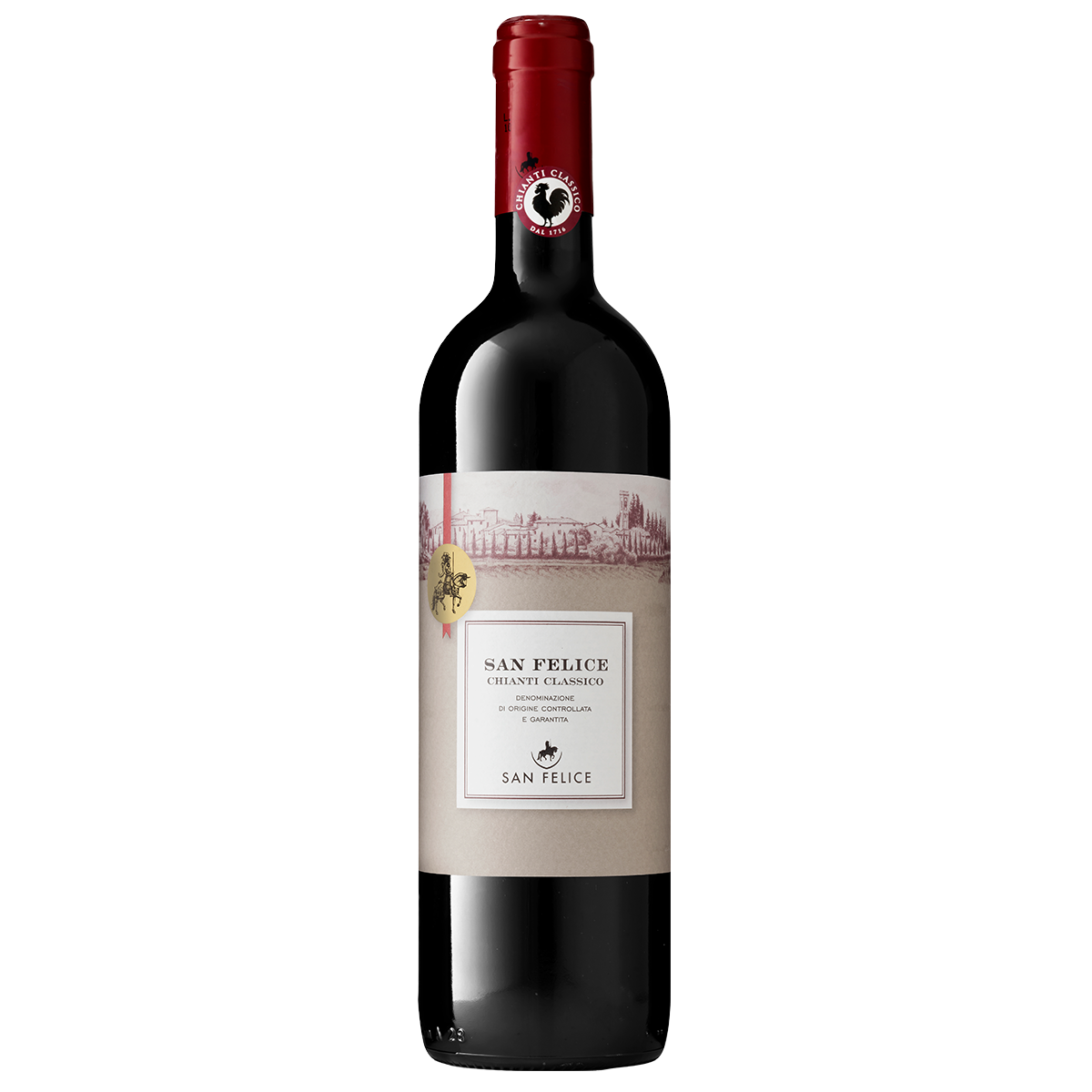
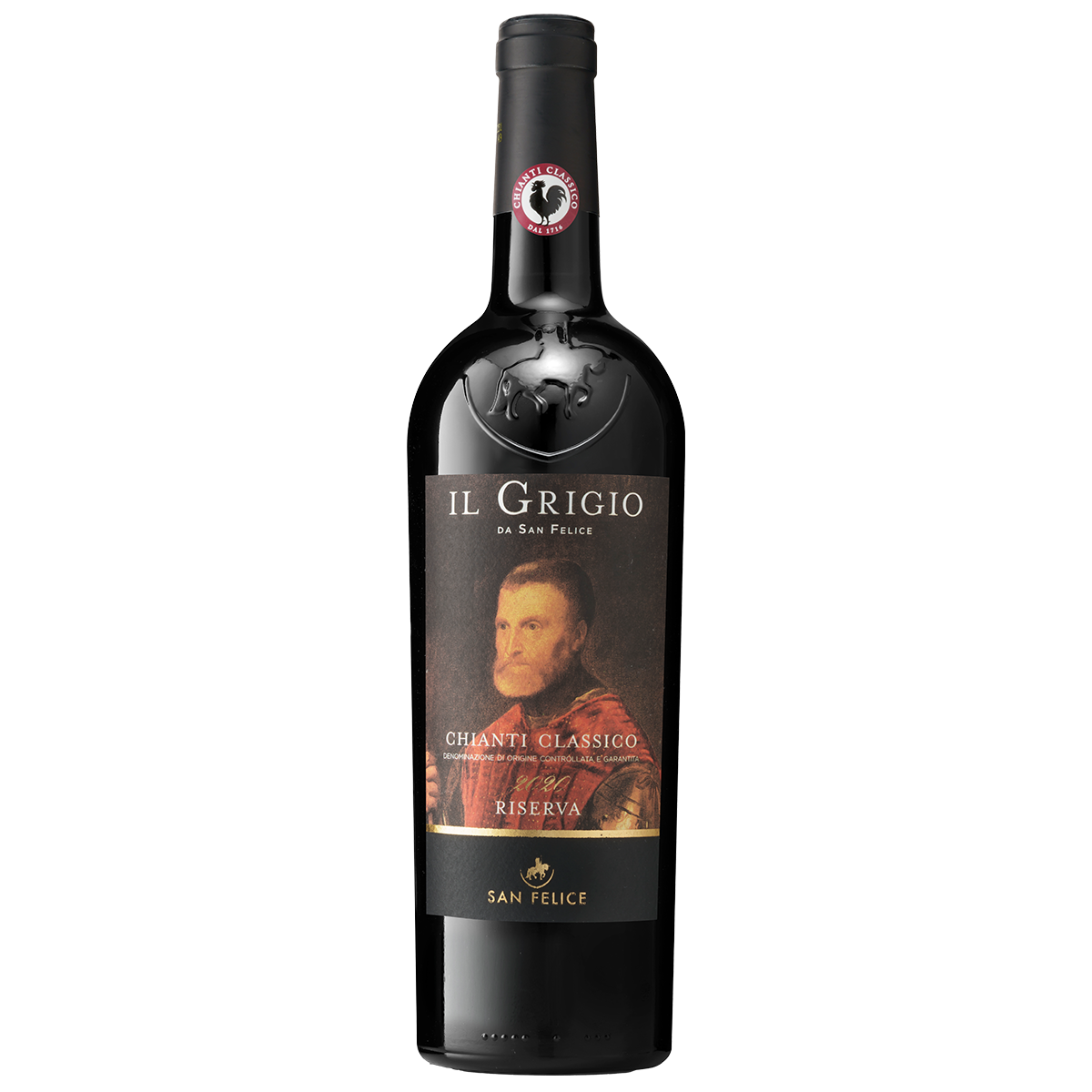
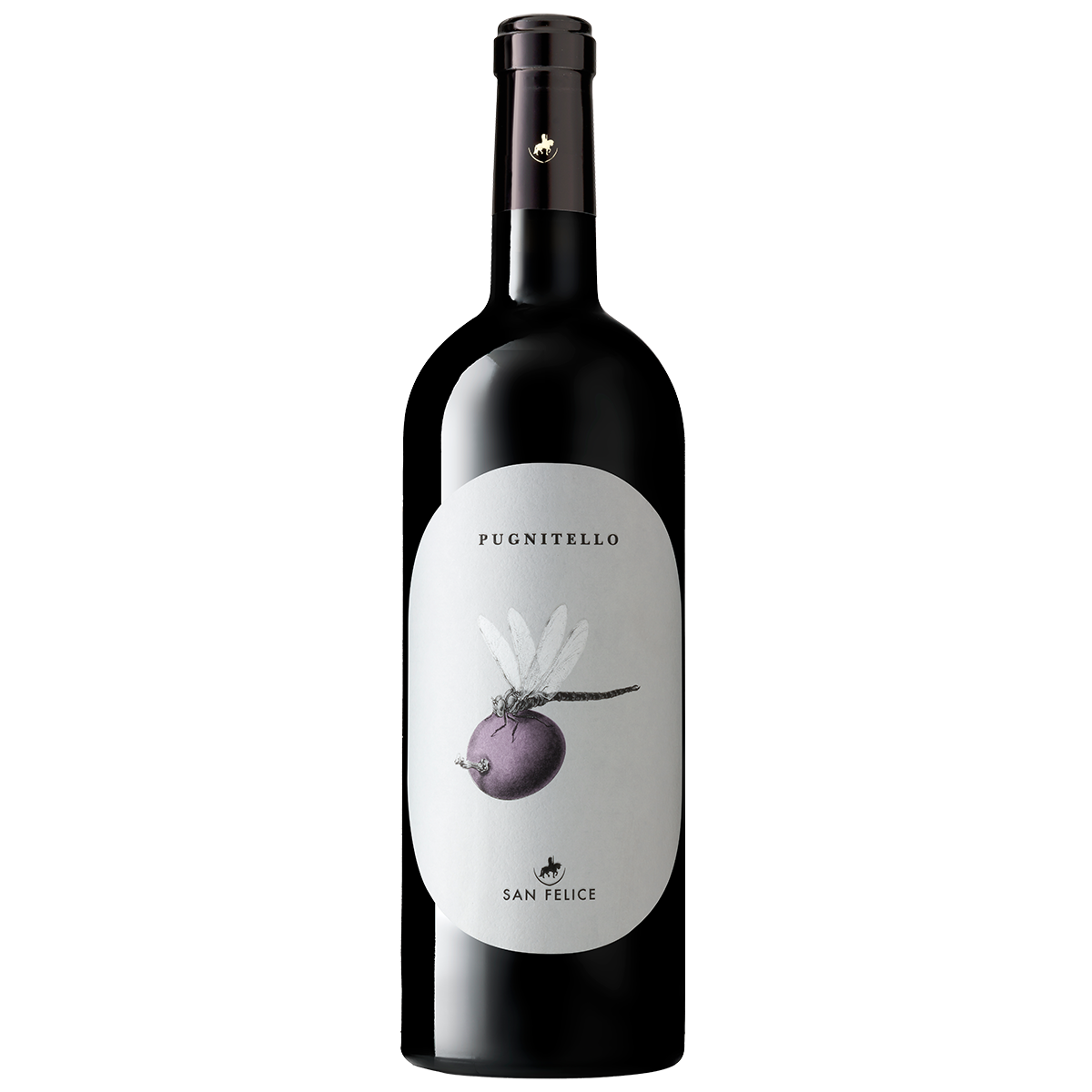
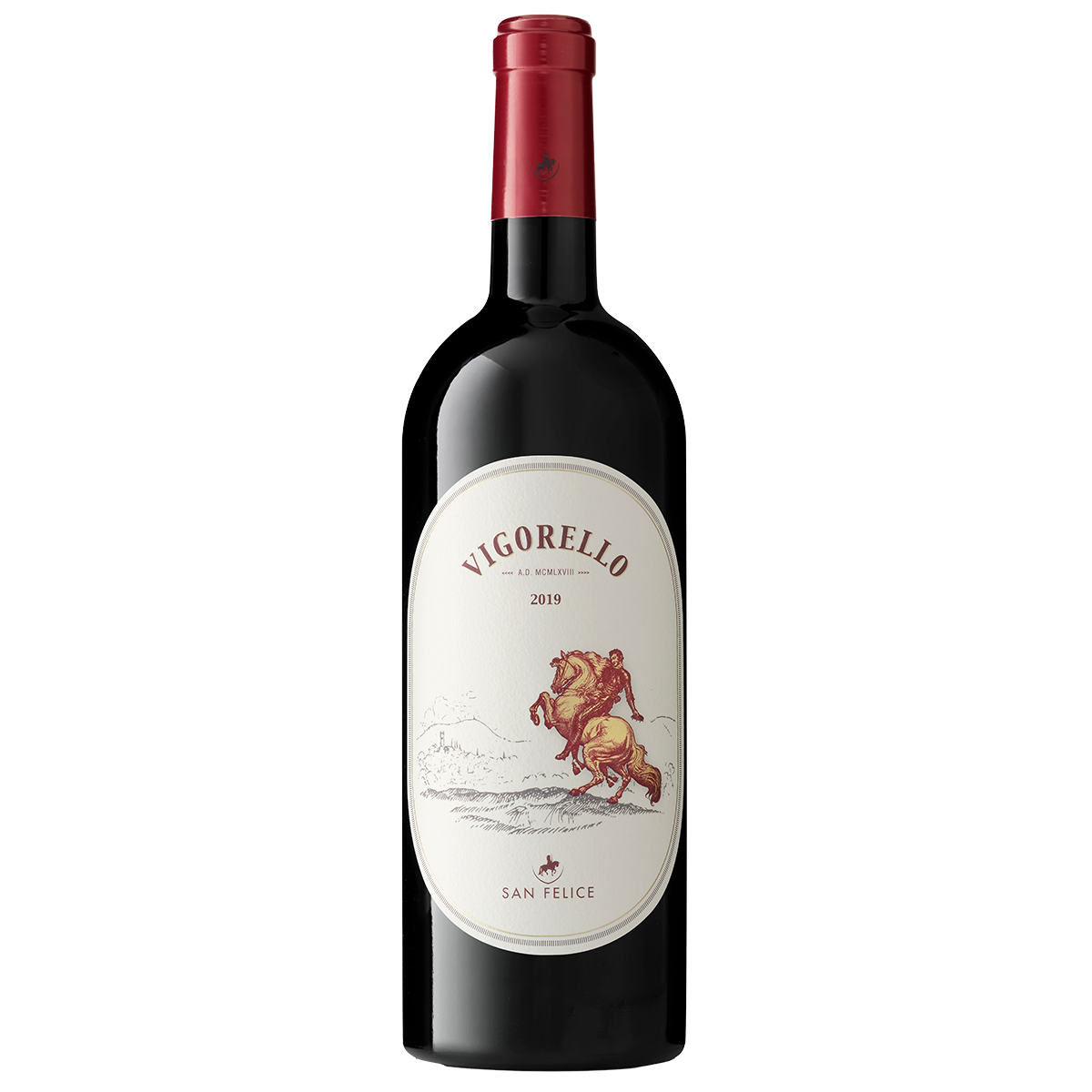
San Felice
San Felice
[The producer redefining Sangiovese in Chianti Classico]
Agricola San Felice is an estate steeped in local legend and history. It takes its name from an early Christian saint venerated here in the eighteenth century, and the land itself was bought by the Grisaldi del Taja family, founding members of the Consorzio del Chianti Classico.
The family made wine here for centuries, until 1968, when the property passed to Enzo Morganti. Before taking charge, Morganti had spent twenty years at Tenuta di Lilliano studying clones of Sangiovese.
At San Felice he set about rethinking this venerable estate, concentrating on high-quality winemaking, systematic scientific research and the acquisition of the finest possible vineyard sites - among them Campogiovanni in Montalcino, bought in 1984. Today the property takes in 1,853 acres of estate and resort, 445 acres of vineyard, and a 44-acre plot given over to experimental viticulture and the genetic improvement of Sangiovese.
The vineyards lie among the gentle hills of Castelnuovo Berardenga, in Chianti Classico, planted on two distinct soil types: calcareous clay, and a combination of sand and limestone. Because the clay is rich in minerals, the Sangiovese grows slowly and steadily, ripening into fruit of remarkable balance.
Alongside indigenous varieties such as the classic Sangiovese of Tuscany, the estate also grows international grapes including Cabernet Sauvignon, Chardonnay and Sauvignon Blanc. Like Enzo before him, winemaker Leonardo Bellaccini has devoted the greater part of his career to Sangiovese, and carries forward the fruits of tradition, research and experiment alike.