
Discovering the charm of refreshing white wine: A thorough comparison of three Sauvignon Blancs
A fragrant and refreshing Sauvignon Blanc that is sometimes sharp and sometimes tropical.
While it's possible to find the perfect dish or situation for each variety, it's probably difficult to find the difference between a single variety.
This time, we will be looking at three types of Sauvignon Blanc, exploring their respective soils and production methods, and exploring their flavors and compatibility with food, seasons, and occasions.
1. Champ du Jardin 2022 Clos Constantin

Origin: Languedoc, France
Soil and vinification
The wines are grown in the cool, clay-limestone soils of the Languedoc region of southern France, at an altitude of around 300m, and the dry Mediterranean climate and cool breezes help to firm up the grapes. The winemaking process is primarily done in stainless steel tanks, and the wines are crafted in a style that highlights the fruitiness and mineral clarity.
Flavor and food compatibility
Herbal aromas of white peach, lime, and fennel with a body and structure typical of the Languedoc.
Food pairings: Grilled chicken with herb marinade, seafood bouillabaisse soup, goat cheese
Suitable situations
Perfect for sunny afternoons and outdoor lunches, the balance of lightness and thickness makes it perfect for eating in nature.
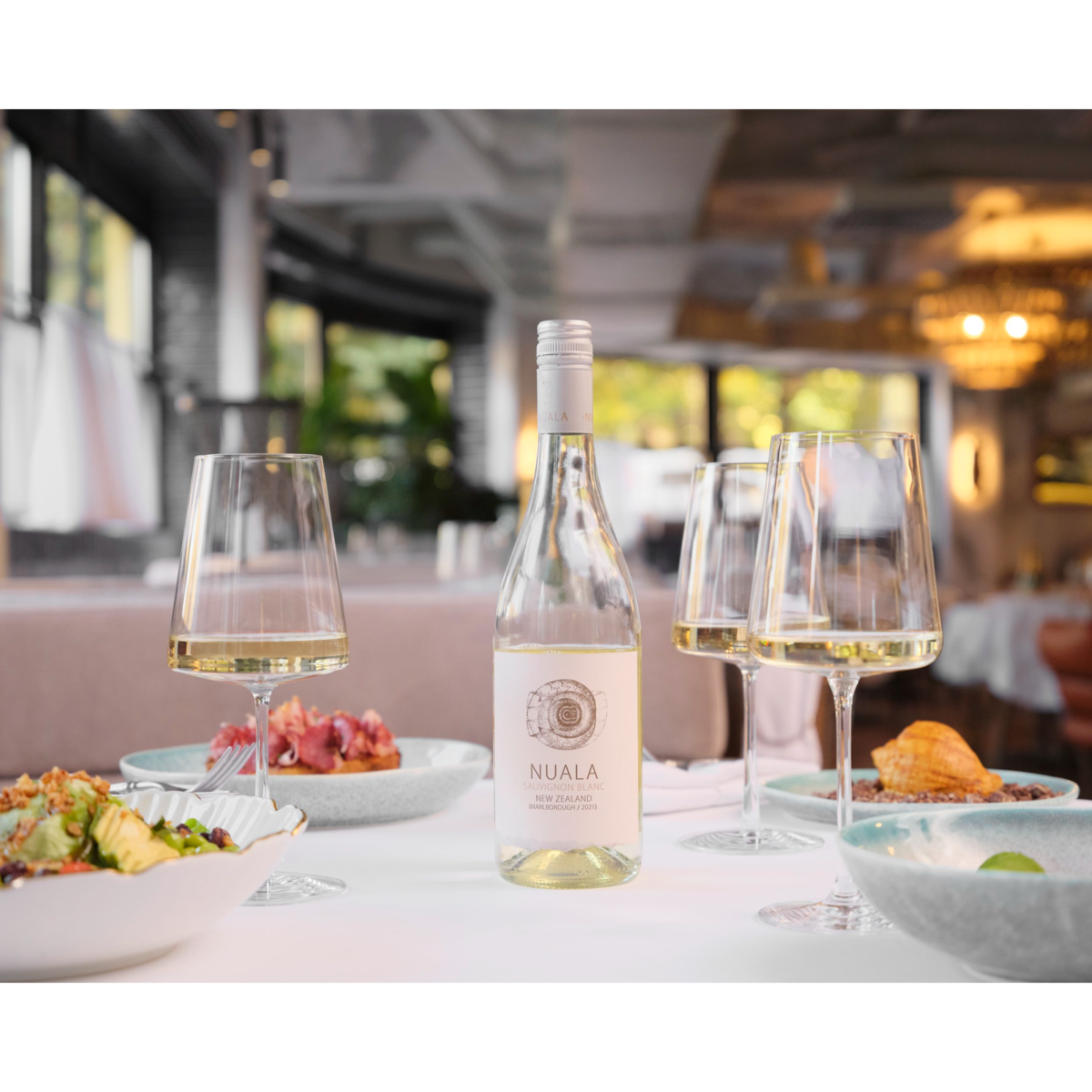
2. Sauvignon Blanc 2023 Nuala

Origin: Marlborough, New Zealand
Soil and vinification
Marlborough is one of the world's leading Sauvignon Blanc producing regions. Its climate is characterized by gravelly alluvial soil and large temperature differences between day and night. Nuala's Sauvignon Blanc is fermented in stainless steel at low temperatures to maximize its vibrant aromas.
Flavor and food compatibility
Passion fruit, lime and gooseberry stand out with their refreshing acidity and pure fruitiness.
Food pairings: Seafood salad, salmon with lemon and dill, Vietnamese spring rolls
Suitable situations
This is the kind of wine that makes you want to toast on the terrace as soon as you come out of the kitchen on a summer afternoon. It's also perfect for parties and BBQs.
3. Sancerre Blanc 2022 Domaine Denizot

Origin: Sancerre, Loire, France
Soil and vinification
The complex caillote (limestone) soil creates a minerality and tension that is appealing. Domaine Denizot emphasizes natural cultivation and careful selection. Vinification is carried out in concrete and stainless steel tanks, pursuing the pure expression of the terroir.
Flavor and food compatibility
Grapefruit, white flowers, and a slight smoky nuance. The dense, cool acidity is impressive.
Food pairings: raw oysters, chevre cheese, white fish carpaccio
Suitable situations
At dusk, you can enjoy a quiet evening with wine, cheese, and appetizers.
Summary: Same breed, different personalities
Even a single variety like Sauvignon Blanc can show so many different expressions depending on the region, soil, climate, and winemaker -- that's the depth of wine. Why not find the perfect bottle to suit your mood and the occasion?
| Producer name | Taste | terroir | Best Situation |
| Kuro Constantin |
Harmony of herbs and body | Clay-limestone (Languedoc) |
Spring to early summer outdoor lunch |
| Nuala | Tropical & refreshing | Gravelly and alluvial soil (Marlborough) | Summer terrace BBQ |
|
Domaine |
Dense and mineral | Calcareous (Sancer) | A dinner table at dusk in late summer to early autumn |

Written by 秋元賢介
Private Sales Manager at Cépages and a JSA-certified sommelier, with more than 20 years in the trade, largely at major and independent wine retailers. Writes with the aim of bridging passionate producers and drinkers in Japan, carrying that enthusiasm through to the page.

Leave a comment
This site is protected by hCaptcha and the hCaptcha Privacy Policy and Terms of Service apply.