
Rethinking Châteauneuf-du-Pape: Three Fruits and Selection Tips
Chateauneuf-du-Pape, an AOC (AOP) that represents the Southern Rhone, is well-known to wine lovers. Just hearing the name might conjure up words like "rich," "powerful," and "suitable for aging." While these certainly represent its character, these impressions only capture half of its appeal.
We will tell you the truth that only a varietal with roots in the Southern Rhone and expertise in the south of France can tell you.
Here, we will first present three "actual facts," and then delve deeper into how to choose and enjoy wines through specific examples.

"Actually..." ① There is no obligation to use 13 varieties
Many people remember Chateauneuf as a blend of 13 varieties, but that's not actually the case.
This AOC once recognized 13 varieties, a pattern that became widely accepted, but the number has now been expanded to more than 18 varieties , and there is no requirement that all 13 varieties must be used.
For example, an increasing number of producers are adopting a style that uses only Grenache or a large amount of Mourvedre, and the blend composition depends on the producer's philosophy.
This freedom allows the person choosing to experience the taste of completely different wines, even if they are from the same Chateauneuf.
The key point is that if the description lists "Main varieties: Grenache/Mourvedre/Syrah," this will give you a clue as to whether the wine is a traditional, heavy type or a modern, light type.

"Actually..."② It's not just heavy. There are also many elegant styles.
In the past, Chateauneuf-du-Pape was known for its overwhelming fruitiness, alcohol, and long finish.
However, in recent years, producers have been reevaluating their location, soil, and brewing style, and the number of cuvées that aim for freshness, clarity, and a medium body has been increasing rapidly.
For example, many winemakers are using sandy soil, north-facing slopes, and relatively high-altitude plots, and are aging wines for a short period of time to create wines that are "heavy yet full-bodied and supple."
For this reason, when selecting a Chateauneuf, checking the vintage, barrel aging period, varietal composition, and vineyard orientation and soil are extremely effective in predicting the flavor. If you are looking for a full-bodied type, look for a south-facing vineyard dominated by typical gravel, with a short aging period and a high proportion of Mourvedre.
On the other hand, if you are looking for elegance, you should consider a style that is sandy, north-facing, uses fewer barrels, and is mainly stainless steel tanks.

"Actually..." ③ White wine also exists (and it's not to be underestimated)
The image of Chateauneuf-du-Pape as a red wine region is generally correct, but in fact white wine is also produced, accounting for around 10% of the total, and the quality has improved significantly in recent years.
The main varieties approved for white wine include Grenache Blanc, Roussanne, Bourblanc, Clairette, etc. There are many "hidden gems" among white wines that have "structure that can withstand aging," "refined acidity," and "deep finish," so even though they are not as well known as red wines, it is worth seeking them out now.

(Expert perspective) Understanding the appeal of soil, climate, and structure
Overview of the production area
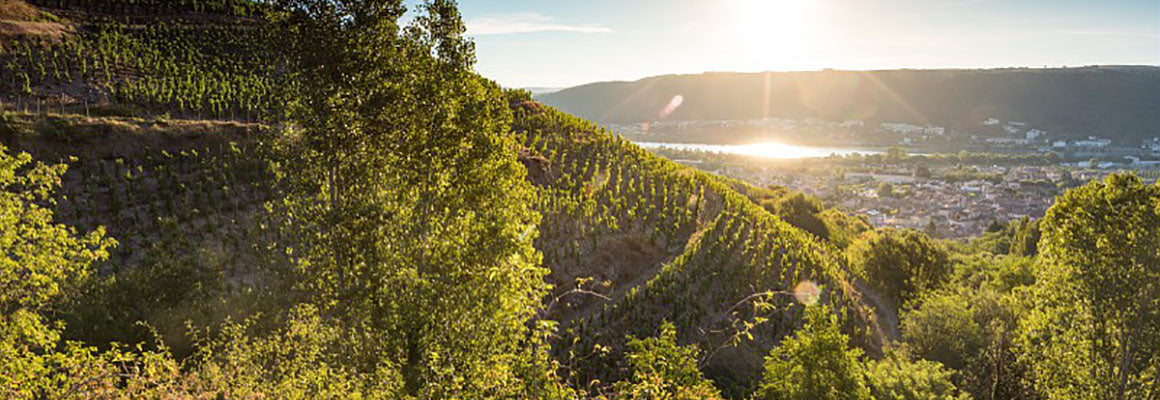
This region is particularly influenced by the Mediterranean climate and Mistral winds, which means it is extremely sunny and dry, even within the Southern Rhone region.
The soil in the northern La Crau region is mainly sandy and gravelly, while the southern region is dominated by layers of large galets roulés (round stones). These store heat during the day and release it at night, allowing the grapes to ripen in a unique way.
This environment provides the foundation for the concentration of fruit, aging potential, and minerality.
Key points of construction
-
Varietal composition : Grenache dominates, but Syrah, Mourvèdre, Cinsault and Carignan add structure, colour and spice.
-
Brewing and aging : Traditionally, large barrels, old barrels, and long-term aging are used, but modern styles use stainless steel tanks and short-term aging.
-
Aging potential : Full-bodied wines can be expected to age for 10 to 15 years, while lighter varieties can open up in 2 to 5 years. White wines can reach their peak in 3 to 8 years.

3 recommended books
From here, we will introduce three specific products available at Cépages, taking the above points into consideration.
● Chateauneuf-du-Pape Secret de Pignan 2020 La Bastide Saint-Dominique (red)
- Style : A "specialized in elegance" Chateauneuf that fully expresses the nuances of the rare sandy (Pignan) plots.
-
Variety : Grenache 100%
-
Located in the north, Pinhão is known for its sandy, cool, and delicate tannins.
-
It features supple red fruits, predominantly Grenache, rose, white pepper and a smooth texture.
-
Even within Chateauneuf, this is an extremely rare style that stands out for its elegance rather than its power.
-
Sandy soil = fine tannins, pale in color but with a very vibrant aroma.
-
Despite the volume of alcohol, the liquid has a "transparent texture" that makes it hard to feel its weight.
-
One of the representative examples of "elegant Chateauneuf" that has been attracting attention in recent years.
-
Pairing : Goes well with savory and delicate dishes such as roast lamb, roasted duck, and mushroom risotto.
● Chateauneuf-du-Pape Legend 2020 Chateau de la Fond-du-Loup (red)
- Grape variety : 80% Mourvedre + 20% Grenache. Located at an altitude of 120m, on north-facing sandy soils in "La Crau". Aged for 24 months in 600L demi-muid barrels.
-
Tasting notes: Mixed fruit and licorice aromas, smooth mouthfeel yet powerful and long finish.
-
Commentary : The composition of this wine, which is 80% Mourvedre, differs from the typical "mainly Grenache" style, giving it a more solid structure and suggesting it has great ageing potential. Given the north-facing sandy soil, this is a good example of a "heavy yet supple" style.
-
Pairing : Roast veal, saffron scallops, Brillat-Savarin, etc.
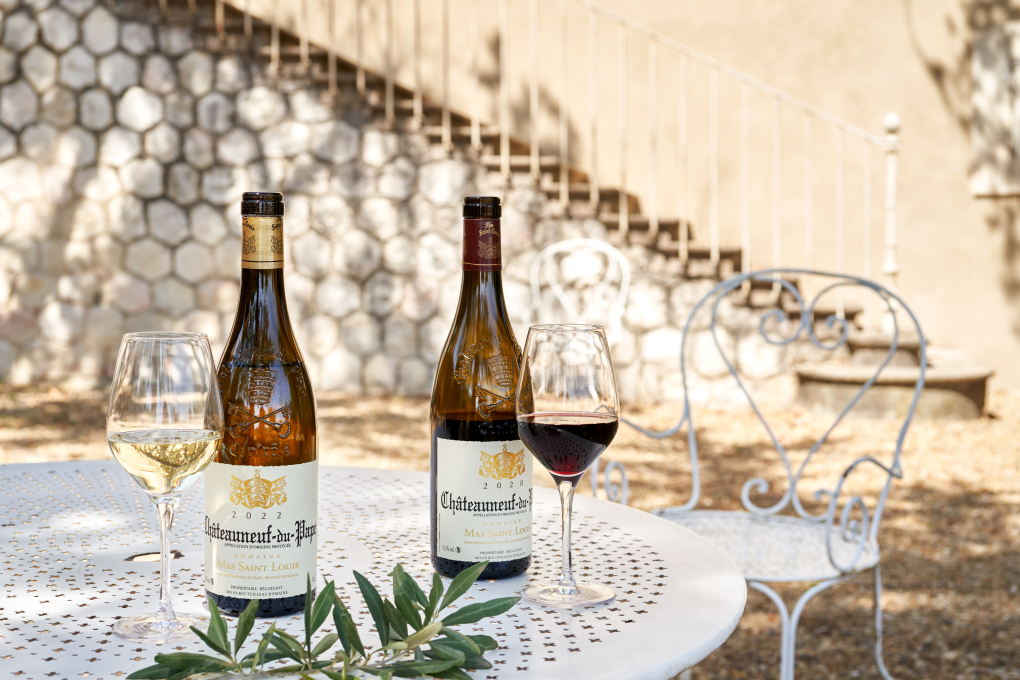
● Chateauneuf-du-Pape Blanc 2020 Mas Saint-Louis (white)
-
Grape variety : 50% Grenache Blanc, 50% Roussanne. Tasting notes: White grape, almond, citrus, and pastry aromas. Excellent balance of freshness and fruitiness. Very long finish.
-
Description : This is a classic example of white Chateauneuf. Despite being white, it has a sense of structure and a long finish, making it the perfect gateway to a genre known only to those in the know.
-
Pairings : Shellfish, sushi/sashimi, white meat, Asian cuisine, etc.
summary
The image of Chateauneuf-du-Pape as simply "heavy" does not fully capture its charm.
Instead, following these tips will help you make the most of your wine selection:
-
High degree of freedom in blending (13 varieties are not mandatory)
-
Not just weight, but a supple and sophisticated style
-
The unexpected and fascinating world of white wine
The three wines introduced here (two reds and one white) are each worthy of discussing Chateauneuf-du-Pape from a different perspective.
Be sure to take a look at the background, flavor, and selection tips for each.
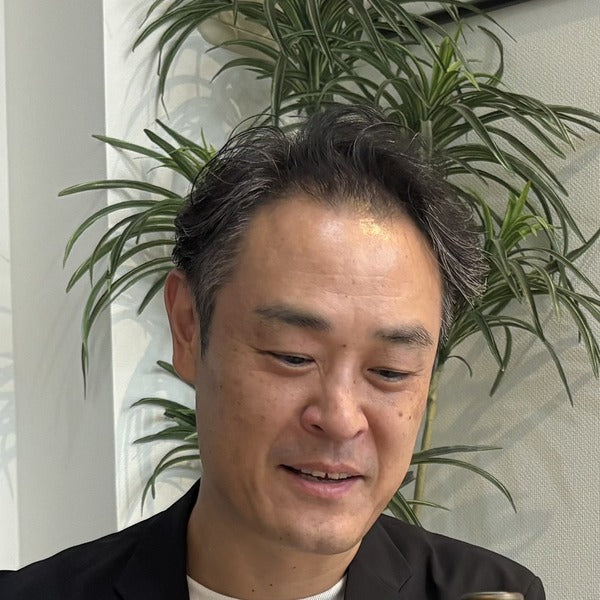
Written by 秋元賢介
Private Sales Manager at Cépages and a JSA-certified sommelier, with more than 20 years in the trade, largely at major and independent wine retailers. Writes with the aim of bridging passionate producers and drinkers in Japan, carrying that enthusiasm through to the page.
%20that%20represents%20the%20Southern%20Rhone,%20is%20well-known%20to%20wine%20lovers.%20Just%20hearing%20the%20name%20might%20conjure%20up%20words%20like%20%22rich,%22%20%22powerful,%22%20and%20%22suitable%20for%20aging.%22%20W...)
Leave a comment
This site is protected by hCaptcha and the hCaptcha Privacy Policy and Terms of Service apply.