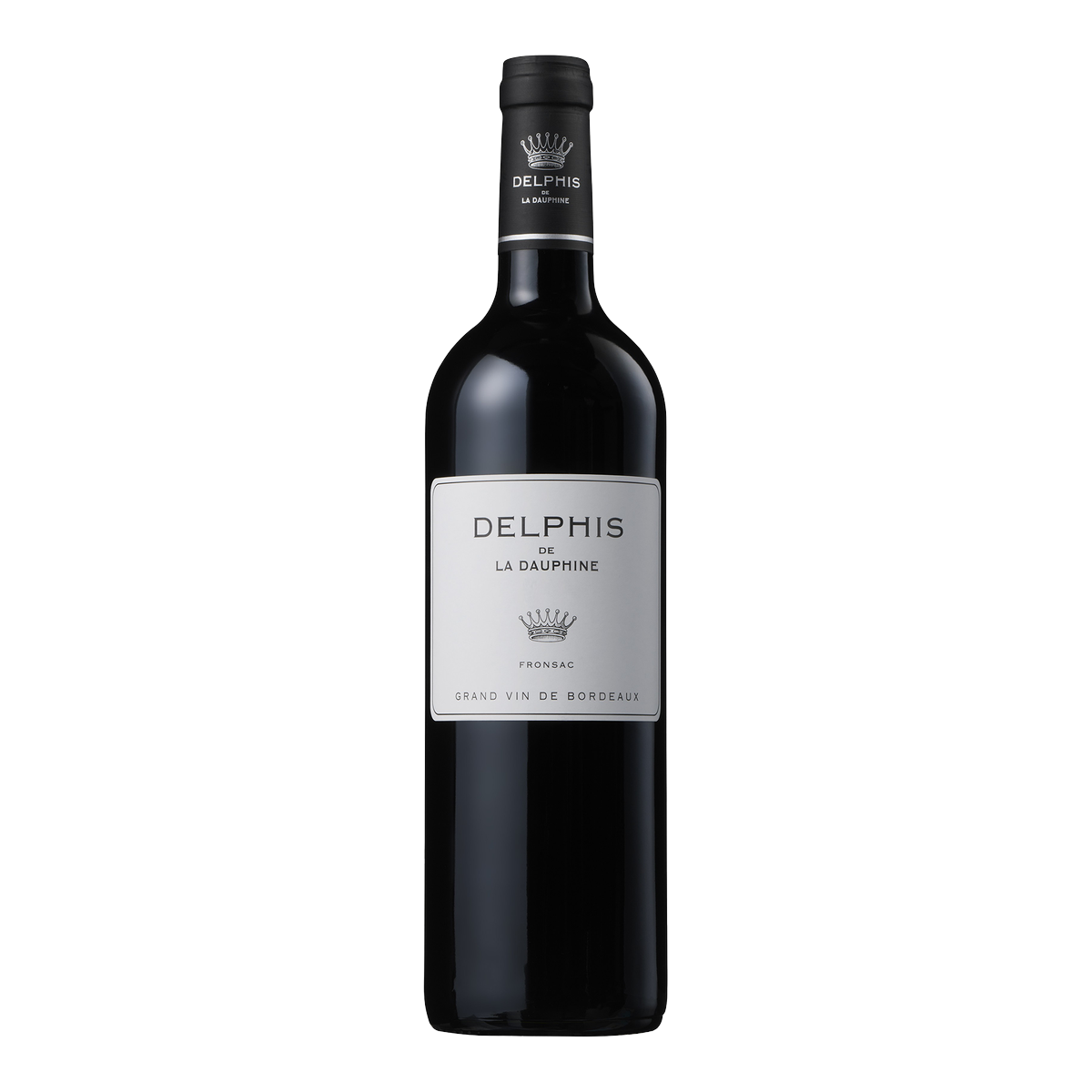
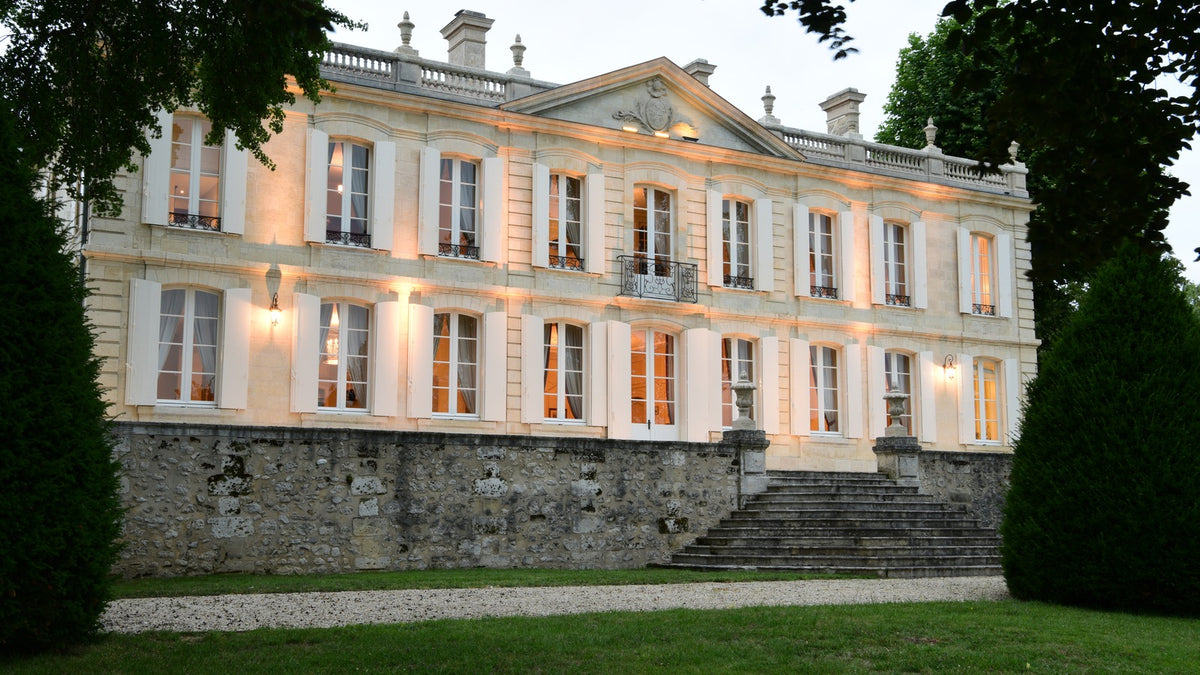
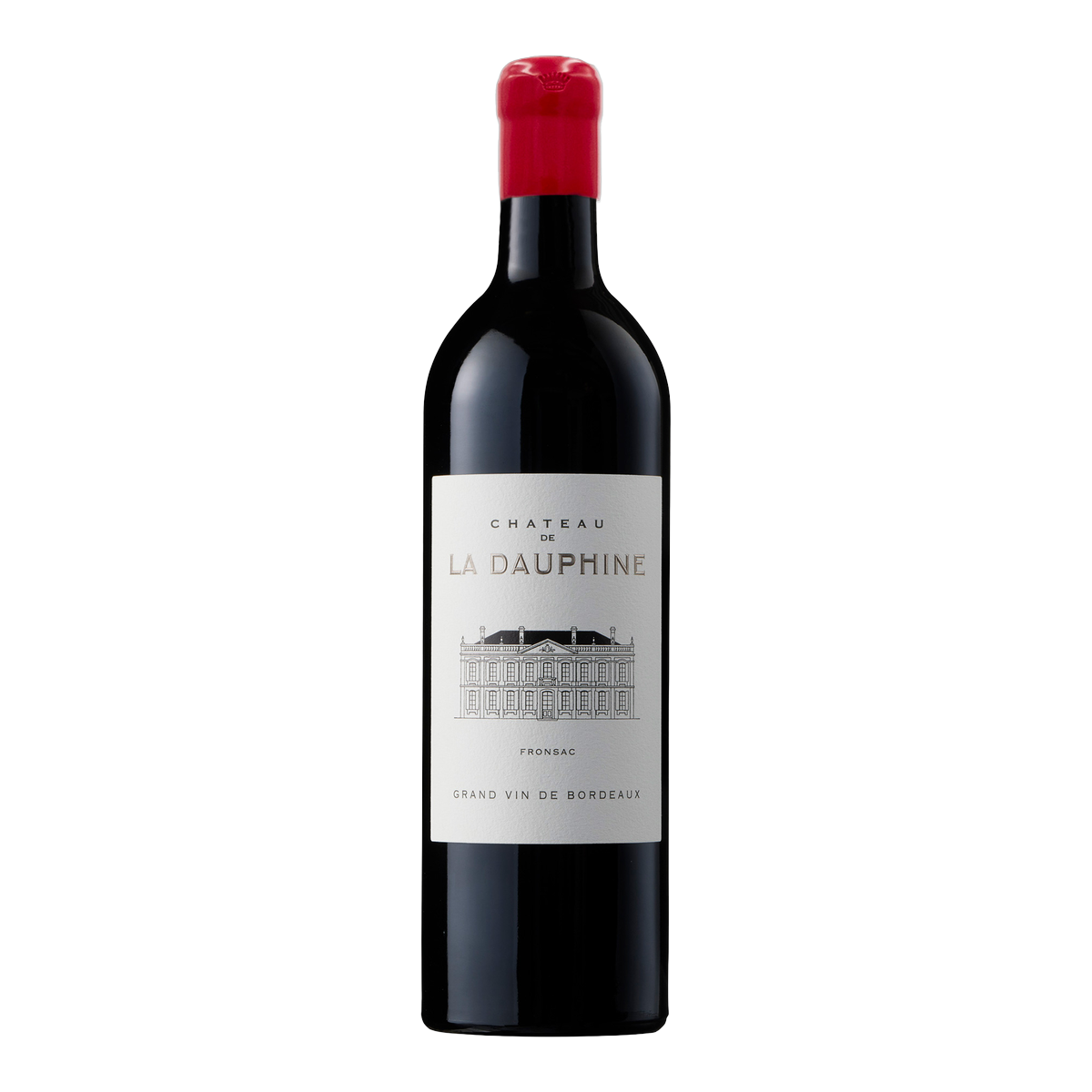
Château de la Dauphine
Château de la Dauphine
Fronsac was once among the most celebrated appellations in all of Bordeaux. Charlemagne raised a fortress here in Carolingian times, and in the seventeenth century Cardinal Richelieu acquired land for his family on this storied ground. Throughout the eighteenth century its red wines fetched higher prices than those of neighbouring Saint-Émilion and Pomerol. Fronsac slipped out of the limelight as the centuries turned, but its true worth is being rediscovered today — and no estate leads that revival more clearly than Château de la Dauphine.
The history behind the name "la Dauphine"
The château was built between 1744 and 1750. Soon afterwards it received Marie-Josephè de Saxe, a Polish princess and daughter-in-law of Louis XV. As Dauphine of France she would go on to give birth to three French kings — Louis XVI, Louis XVIII and Charles X. The estate takes its present name in memory of that noble stay. Since 2015 it has belonged to the Labrune family, founders of CEGEDIM, who have invested continuously in the property, beginning with the conversion of the vineyards to biodynamics.
A south-facing amphitheatre and 53 hectares of terroir
The vines occupy a sunny, south-facing semicircle of slopes, one of the largest holdings in Fronsac. Fourteen distinct soil types form a mosaic across the estate: a plateau of clay-limestone over star-shaped limestone, the Fronsac molasse, and sandy silty clays lower down the slope. Organic farming began in 2012 (with AB certification three years later), and the whole vineyard has since moved to biodynamics. An experiment in aquaponics, cycling fish farming together with plant cultivation, says a good deal about how forward-looking this producer is.
Concentration shaped by gravity and time
The harvest is sorted twice by hand — no optical sorter — before entering the circular cellar. Gravity carries the fruit gently into tulip-shaped concrete tanks of the same design used at Cheval Blanc, where it macerates and ferments for around thirty days, then ages some twelve months in French oak. Michel Rolland's team consults on the winemaking.
In the glass there is nothing reticent about it: a commanding nose of black fruit, at times layered with liquorice and dark chocolate. Powerful and structured as Fronsac should be, it sheds the edges of its tannins after four or five years and has the depth to age fifteen to twenty years or more. This is a wine to meet on its own terms, rather than through the appellation on the label.