
Wine That Speaks of Its Land — Burgundy and Bordeaux Terroir Seen Through Yokon Wasai
Where Yokon Wasai meets terroir
Japan has a phrase, wakon yosai — Japanese spirit, Western learning. Born in the Meiji era, it describes holding fast to the native soul while taking in the techniques and knowledge of the West. The motto Cépages has adopted, yokon wasai, deliberately turns that order on its head. The Western soul — the ideas and philosophy that live inside French wine — read anew, and tasted anew, through Japanese sensibility. That is the undertaking.
And the single most important key to understanding that Western soul lies in the idea of terroir itself.
Say the word terroir and most people reach for the scientific: soil, climate, measurable things. Yet what French growers pour into the word is something far more emotional — and, in a sense, something deeply familiar to a Japanese ear. Today, let us reach for that soul by way of two great regions: Burgundy and Bordeaux.
What terroir really means
Terroir is not simply a description of what the soil is made of. It is the whole tangle: climate, soil, topography, altitude, sunlight, and the labour of the people who have tended these vines for generation upon generation — all of it braided together into a character that belongs to that place and to nowhere else.
Growers often put it like this: "We do not make the wine. We simply move what the land already holds into the glass, interfering as little as we can." The thought sits remarkably close to what the Japanese word fūdo — the natural character of a place — has always carried.
Just as the old fudoki chronicles set down the memories and stories of a region, terroir tells, in the form of a single bottle, the memory a place has accumulated over thousands of years. Seen through yokon wasai, terroir is not a product of Western rationalism at all. It is a philosophy that chimes, astonishingly closely, with the reverence the Japanese have always held for land and for nature.
Burgundy — the story told by the climat
No region on earth has pursued the idea of terroir as far as Burgundy has.
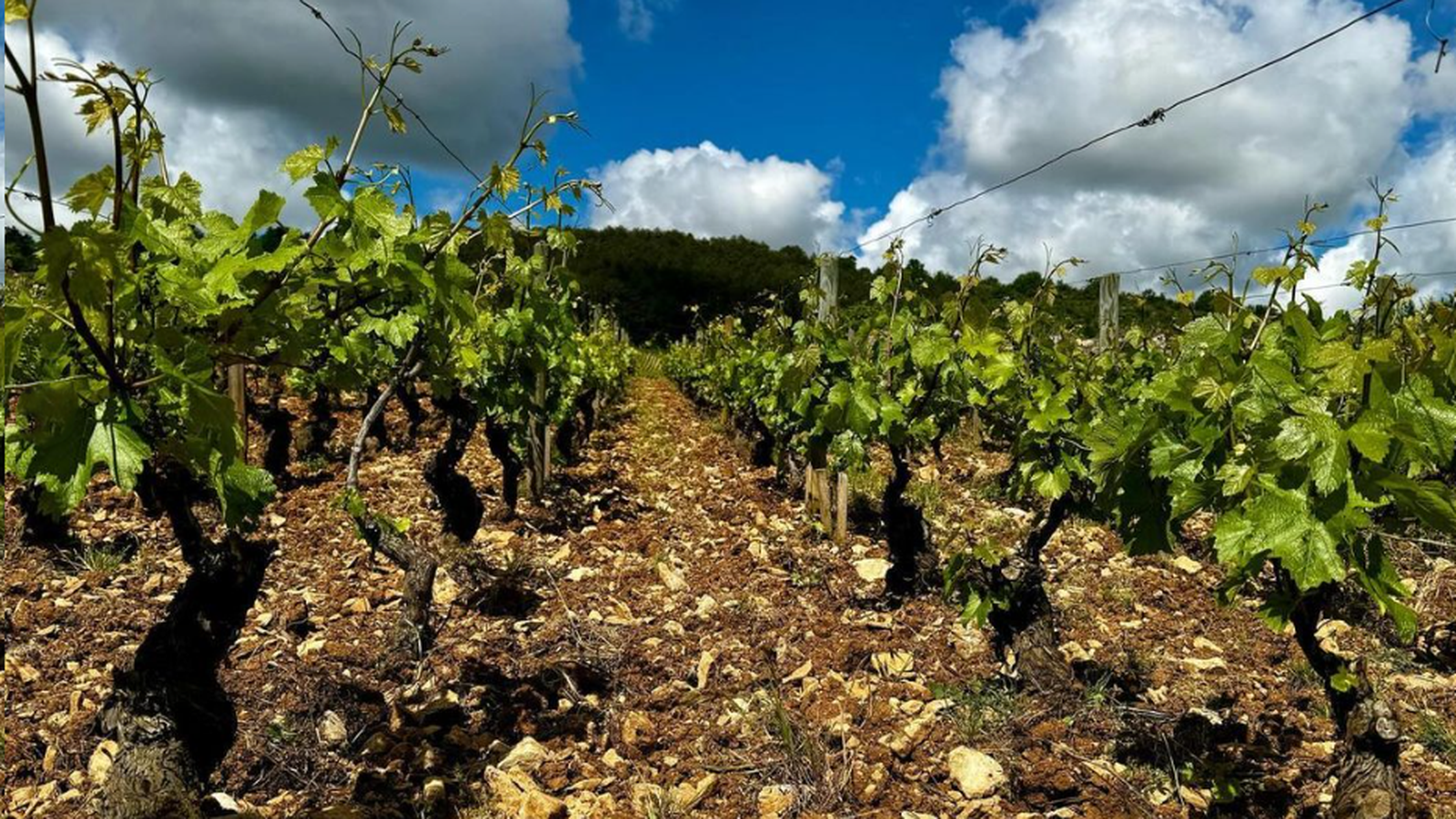
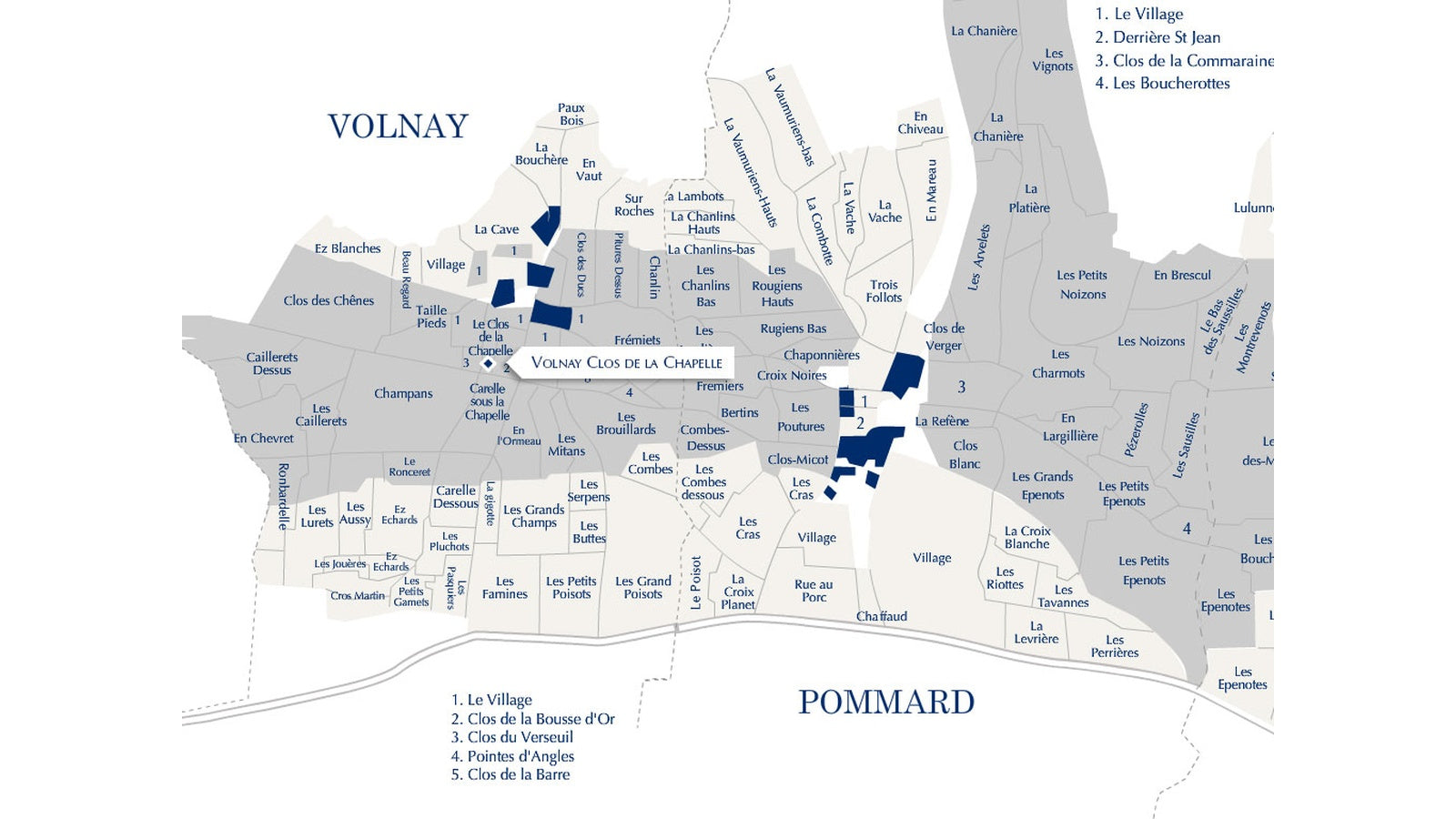
The same grape variety, Pinot Noir. The same hands in the cellar. And yet move to the neighbouring vineyard — in Burgundy, a climat — and the wine wears an entirely different expression. A few dozen metres, sometimes a few metres, is enough to alter the shape of the aromatics, the frame of the wine, the length of the finish.
Within the Côte de Nuits alone, a vineyard sitting mid-slope enjoys sunlight and drainage, and gives concentrated, firmly built fruit. Lower down the slope the soils grow heavier, and the wines tend towards something finer and gentler. The minerality that limestone lends; the structure that clay confers — each climat speaks its own language, as though it possessed a personality entirely of its own.
Burgundy's growers have watched, recorded and passed down the character of these individual parcels across generations. Every walk through the vines is a reunion with an old friend, a chance to read the mood of that climat this year. That attentiveness is, I would argue, the very core of the Western soul.
Bordeaux — terroir within the blend
Where Burgundy expresses terroir through a single vineyard and a single variety, Bordeaux takes another route altogether. Its philosophy is the blend.
Bordeaux's soils divide sharply on either side of the Gironde. The Left Bank is dominated by free-draining gravel — graves — which ripens late-maturing Cabernet Sauvignon thoroughly. The Right Bank spreads out over clay and limestone, drawing the plumpness and roundness from earlier-ripening Merlot.
That difference in soil runs straight through to the grape mix and the house style of every château. Left Bank estates build structured wines around Cabernet Sauvignon; Right Bank estates pursue something suppler, with Merlot at the heart of it.
More intriguing still, a single château will own numerous parcels, judge the character of each one, and design the blend accordingly. Where Burgundy listens closely to one vineyard's voice, Bordeaux gathers many voices and resolves them into a single harmony. That, too, is a philosophy of terroir. The wines that reach us through importers buying directly from the châteaux carry all these individual parcel stories, concentrated into the glass.
On tasting terroir
We have talked a good deal about soil and climate, but what genuinely unlocks terroir is not knowledge. It is experience.
Tilt the glass, and behind the aroma and the flavour — what landscape do you see? The minerality of a limestone-grown wine, like wet cobblestones after rain. The generous, enveloping fruit that clay soils wrap around a wine. Close your eyes, let the imagination work, and a whole landscape rises out of the glass.
Nor is this sense of tasting a place confined to wine, or to alcohol at all. Non-alcoholic drinks, too, can express the character of where they come from — through the water, through the soil the herbs grew in, through the climate. Feeling a place through a liquid may be a pleasure more universal than the presence or absence of alcohol.
In closing — what Yokon Wasai is reaching for
Terroir is not a rational agricultural theory the West invented. It is a philosophy built out of respect for the land and the patient accumulation of observation. And that philosophy resonates, at a deep level, with the way Japan has always looked at nature and at the character of a place.
Yokon — the story of terroir as the Western soul tells it. Wasai — read afresh through Japanese sensibility. That is the experience Cépages is reaching for. Not as knowledge, but as feeling. Not with the head, but with all five senses.
Written by 秋元賢介
Private Sales Manager at Cépages and a JSA-certified sommelier, with more than 20 years in the trade, largely at major and independent wine retailers. Writes with the aim of bridging passionate producers and drinkers in Japan, carrying that enthusiasm through to the page.

Leave a comment
This site is protected by hCaptcha and the hCaptcha Privacy Policy and Terms of Service apply.