Bortolomiol
Bortolomiol
[The house that made the first Brut Prosecco]
Bortolomiol lies at Valdobbiadene, in the heart of the Prosecco DOCG. The family's history as wine growers reaches back to the eighteenth century, though the winery itself was founded in 1949 by Giuliano Bortolomiol.
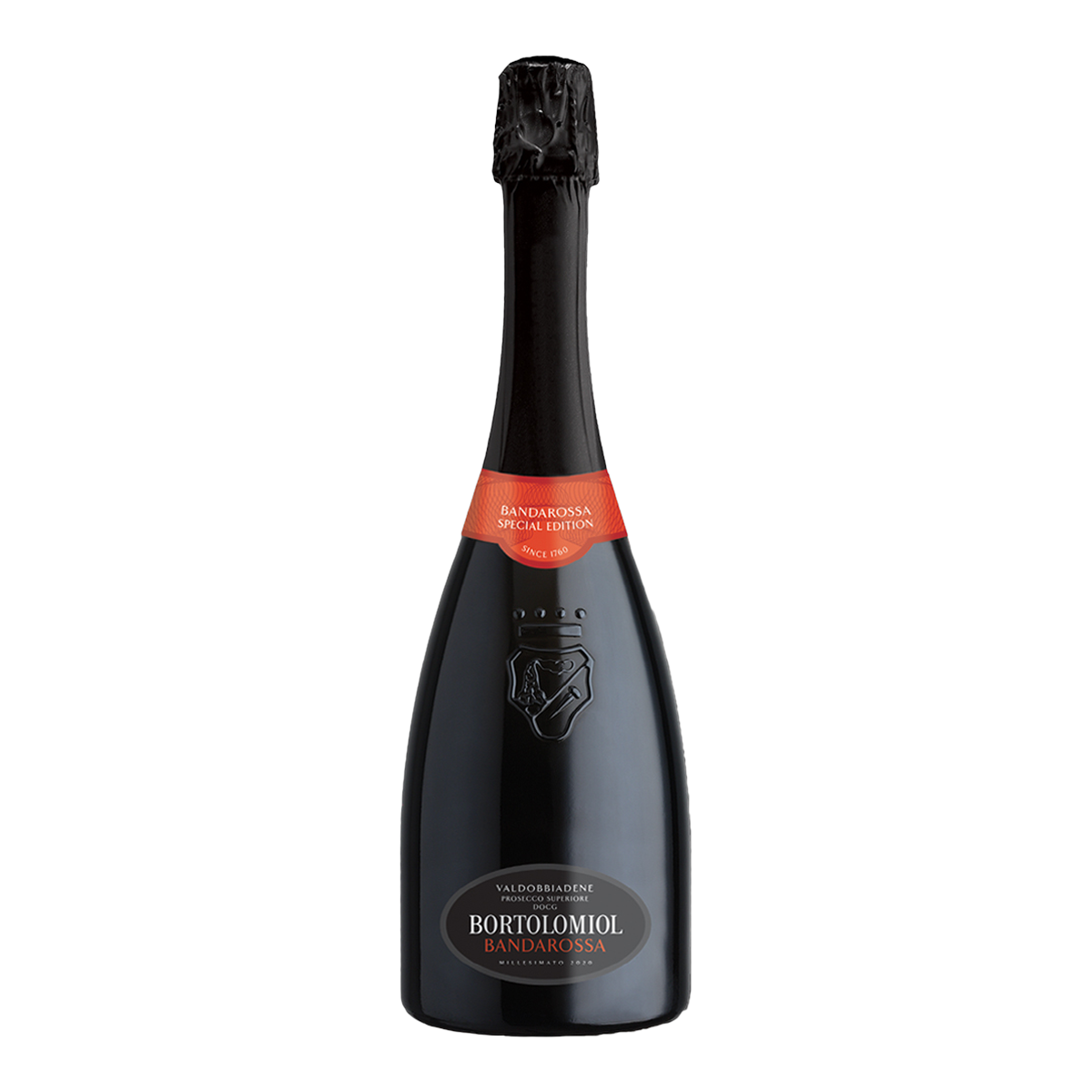
A pioneer of the Charmat method, Giuliano produced the first Brut Prosecco ever made in 1960. His dream was to raise both the quality and the profile of Prosecco, and to make it a first-class sparkling wine known the world over.
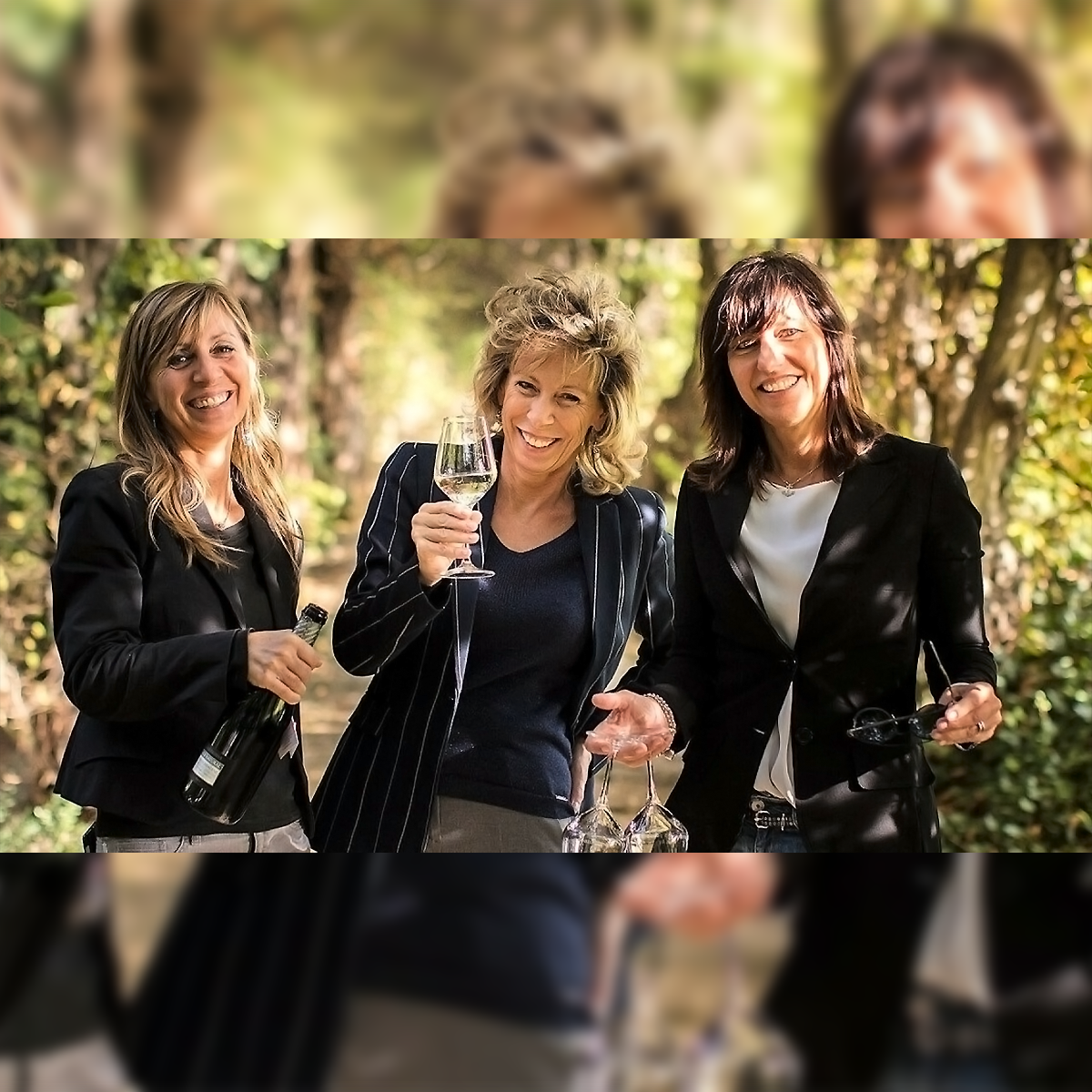
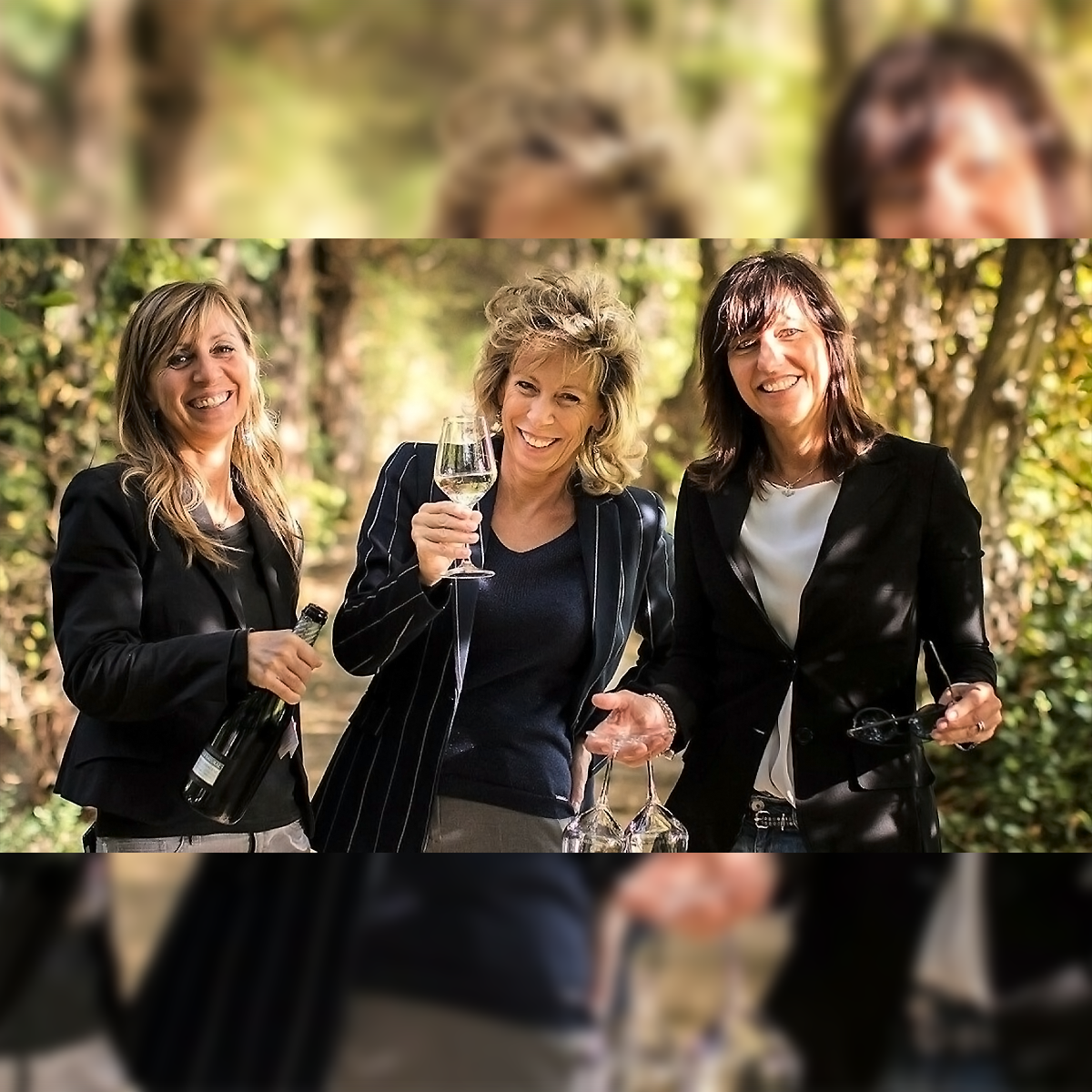
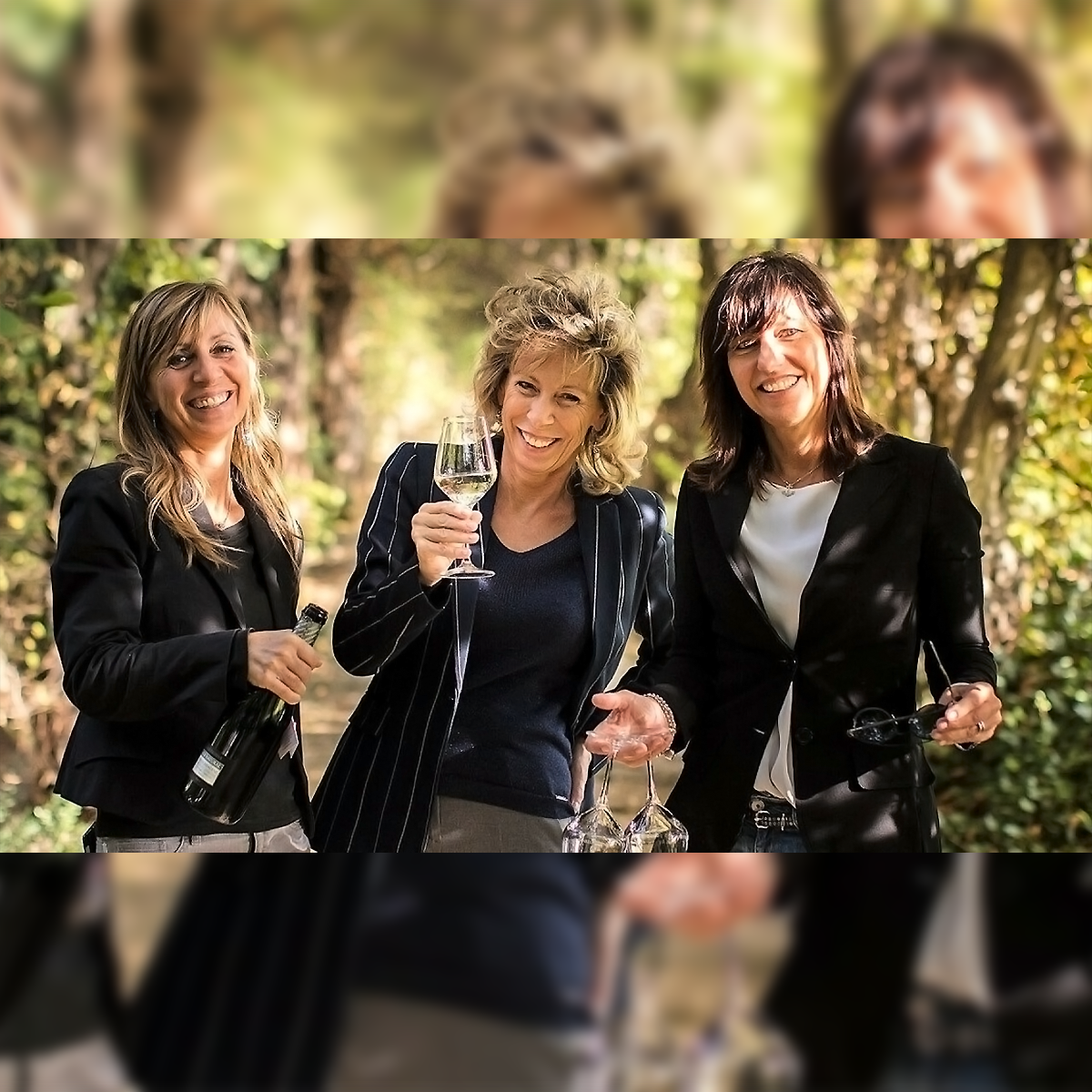
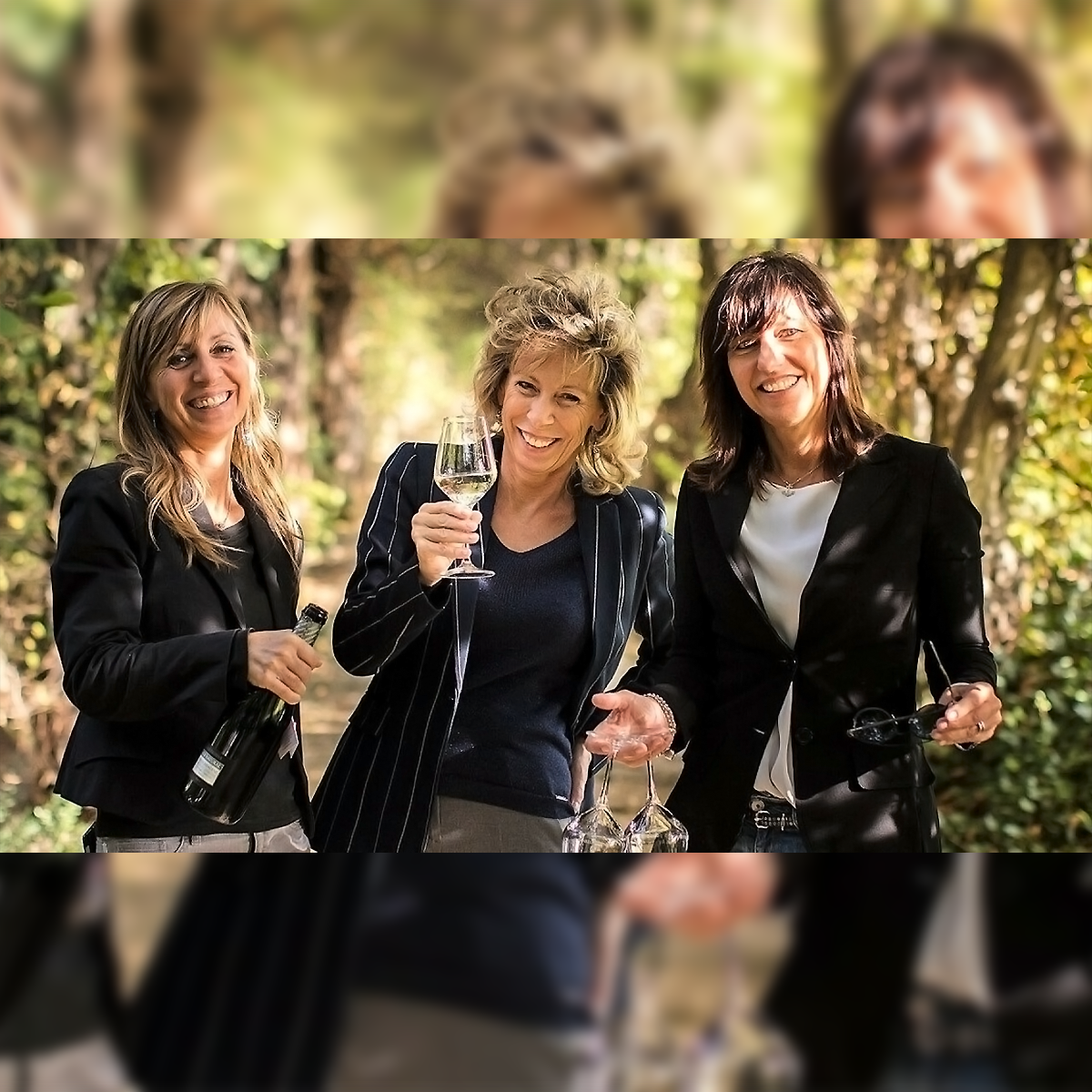
Today his wife Ottavia runs the winery together with their four daughters - Maria Elena, Elvira, Luisa and Giuliana - holding firm to the philosophy behind the house: quality, a strong bond with the land, respect for nature and environmental sustainability.
In recent years Bortolomiol has invested in new technology across every aspect of its winemaking, with the aim of putting the estate on a more sustainable footing, while always keeping the strong link to tradition that Giuliano established.
In 2008 the family took the decision to convert the vineyards to organic farming, and has continued to evolve ever since, minimising the impact its winemaking has on the environment.