
Drink the Person, Not the Label - How to Taste the Grower in the Glass
What are we actually choosing?
You are standing in front of the shelves in a wine shop. Or you have just opened the list in a restaurant. What is it, in that moment, that guides your choice?
Region. Vintage. Classification. A score from a critic. All useful information, of course. But it is worth pausing for a moment to ask: when you truly chose a bottle - not merely picked one up - what was it that moved you?
Last time we wrote about the discerning eye of yokon wasai - choosing the world's wines through a Japanese lens and delivering what lies behind them. This time we would like to turn that idea towards you, the drinker. Drinking the person rather than the label is not a difficult art at all.
A label is only the envelope
There is genuine reassurance in a famous label. A well-known Chateau, a high score, a shelf of awards. They look like a promise that you cannot go wrong.
But a label is only the envelope. What matters is the letter inside: who made this wine, on what ground, and with what intention. The grandeur of the envelope and the richness of the letter do not always match.
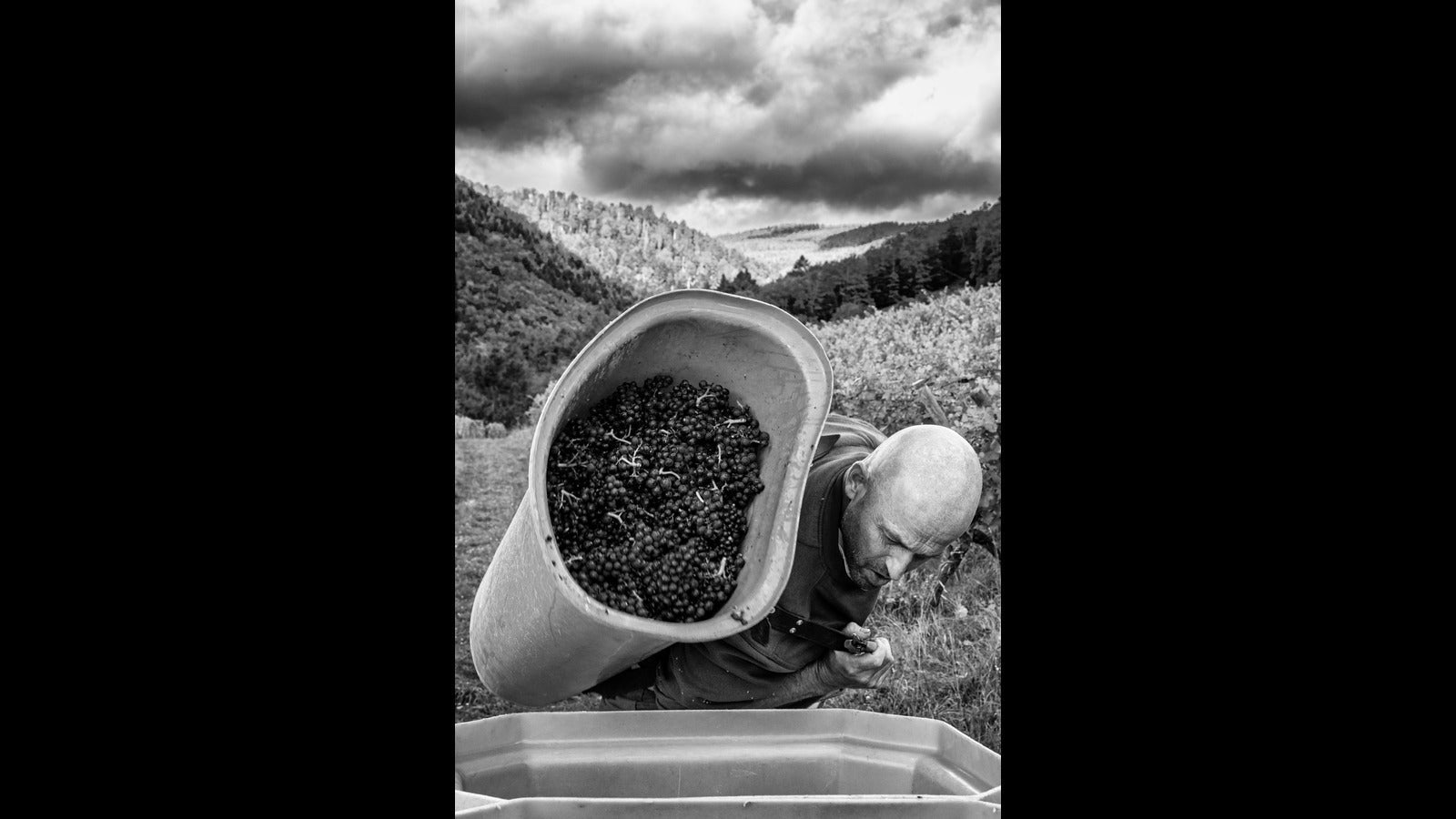
Somewhere, an unknown grower is working a steep slope by hand, tending parcels no machine can reach. Somewhere else, old vines inherited from a grandfather are being left deliberately alone. You will never meet those bottles by reading labels.
None of this is a rejection of famous wine. We simply want you to notice that there is a second set of clues waiting just behind the label.
Four ways to feel the grower
So how do you sense the person behind the bottle? No special expertise is required - only a small shift in where you look.
One: learn the grower's name
Look past the name of the Chateau or Domaine to the name of the person inside it. Who is answerable for this wine? The head of the estate, a young successor, a winemaker who arrived from elsewhere? Remember even one name and the next wine you meet from them stops being an unknown bottle and becomes "their latest". Wines begin to join up into a line rather than scattered points.
Two: learn a little of the land's story
A wine can never leave the place that made it. Cool or warm? Slope or plain? Limestone or clay? Knowing just a little about a terroir's character turns what is in your glass from a taste into an explanation - a sense of why it is the way it is. Drinking starts to feel like travelling through the place itself.
Three: notice what the grower chose not to do
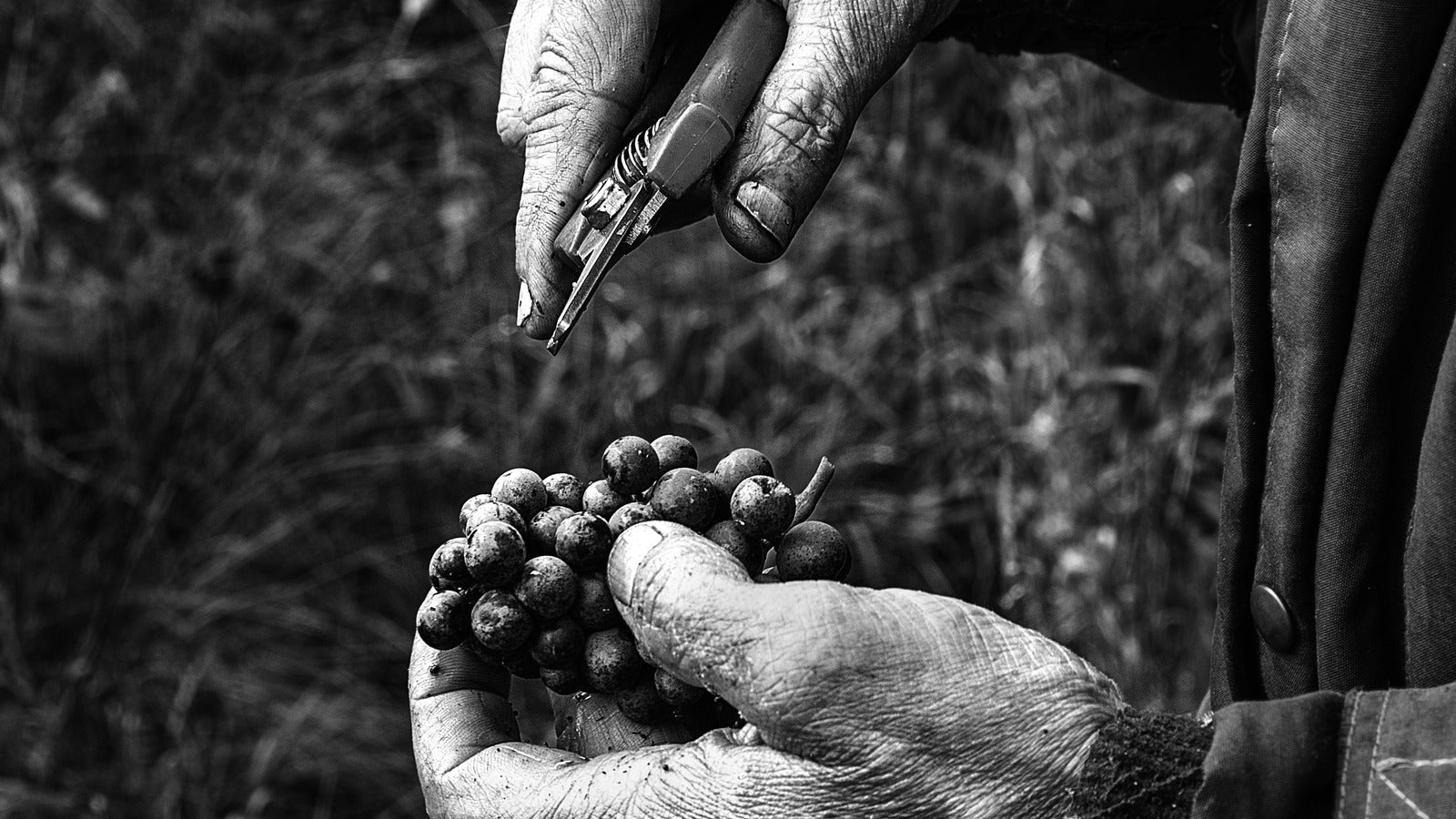
The best growers talk as much about what they left alone as what they did. No excessive intervention. No chasing fashion. No greed for yield. It is in these acts of subtraction that a philosophy shows itself. Restrained work often says more about a person than any amount of eloquent explanation.
Four: trust your instinct
And finally, let go of the reasoning. Set the label data and the scores aside for a moment and follow that feeling of "something about this one draws me in". Instinct is more reliable than you might expect. Behind the bottle that catches your eye there is, more often than not, someone who worked with real sincerity.
A bottle of wine holds a life
When you think about it, wine is a strange thing to make.
Across a whole year, the moments in which a grower can genuinely shape the flavour by their own hand are astonishingly few. Most of the work in the vineyard is a negotiation with nature, and the weather answers to nobody. Even so, every year the grower enters into that conversation, does everything within reach, and seals their intention into a bottle.
So each bottle of wine contains a life. The land that person chose, what they believed, what they refused to give up on. When we tilt the glass, we are quietly being given a fragment of that life.
Seen that way, does drinking wine not feel a little richer?
What we can do
The work of Cepages is to connect you with that person behind the bottle.
We visit the growers, watch their hands, listen to their words - and only then do we choose. That is why this blog will go on telling their stories one by one: the land they work, the beliefs they make wine by. That human quality is the thing we most want to deliver.
The next time you open a bottle, spend a moment imagining what lies behind the label. There is always a person there.
And once you can feel them, your wine will have stopped being merely a taste.
Written by 秋元賢介
Private Sales Manager at Cépages and a JSA-certified sommelier, with more than 20 years in the trade, largely at major and independent wine retailers. Writes with the aim of bridging passionate producers and drinkers in Japan, carrying that enthusiasm through to the page.

Leave a comment
This site is protected by hCaptcha and the hCaptcha Privacy Policy and Terms of Service apply.