Back to the product page

Cépages Wines

Technical Sheet
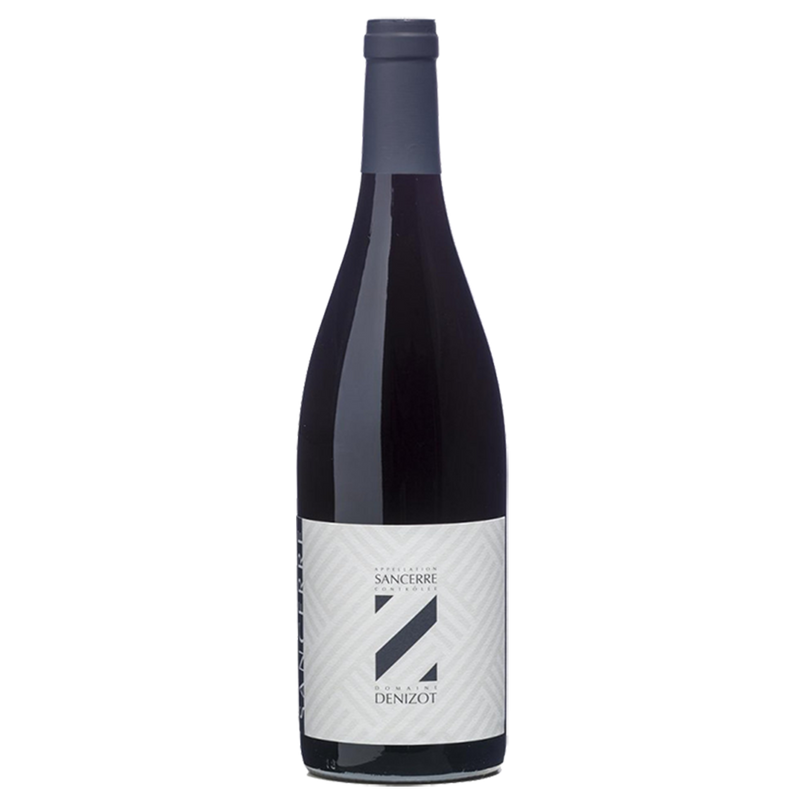
Sancerre Rouge 2022 Domaine Denizot

Sancerre Rouge 2022 Domaine Denizot

Sancerre Rouge 2022

冷涼な土地が磨く、透明感のあるピノ。

やや淡いルビー色に、ピノ・ノワールらしい透明感。フレッシュなストロベリーやサワーチェリーの香りに、バラの花弁やスミレ、白胡椒やクローブの繊細なニュアンスが少しずつ開いていきます。アタックはジューシーでしなやか。タンニンは極めてきめ細かく、芯の通った酸とミネラル感がミディアムボディに引き締まった骨格を与えます。鴨の胸肉やマグロのグリル、ハーブで香りづけした茸のソテーとともにどうぞ。

Item code

22R3811

Producer

Domaine Denizot

Type

Red

Region

Loire

Appellation

Sancerre

Vintage

2022

Grape varieties

100% Pinot Noir

Alcohol

13.0%

Volume

750ml

Certifications

Haute Valeur Environmental

Serving temperature

14–16°C

Recommended glass

Burgundy glass (large bowl)

Tasting note

A slightly pale ruby color, it has the transparency typical of Pinot Noir and shows a delicate gradation towards the edge. It gives a youthful, radiant and elegant impression. The initial aromas are of fresh strawberry, sour cherry, and stone fruit with a hint of bitterness like cherry pits. Gradually, delicate nuances of rose petals, violets, and subtle spices (white pepper, cloves) open up, revealing the purity of a wine from a cool region. The attack is juicy and supple, with extremely fine tannins and a fresh fruity flavour that spreads throughout the mouth. Although medium-bodied, the wine's core acidity and minerality give it a firm structure, resulting in a very well-balanced overall structure. The finish is pleasantly bitter and has the fresh acidity of red fruit.

Food pairing

Duck breast, grilled tuna, and sautéed mushrooms scented with thyme and rosemary

Winemaking & technical data

Cultivation
Plot: A blend of clay-limestone and marl soils in the villages of Verdigny and Sancerre.
Soils: Caillote (Sancer limestone) and Kimmeridgian marl (also known locally as "white soil").
Planting density: 7,500 plants per hectare

Guyot-Poussard pruning respects the flow of sap
Careful and precise pruning of the buds, with consideration for the trees
Plowing and cultivating the soil
A considered and rational approach with organic leanings (no pesticides, miticides, rot inhibitors or herbicides)
Hand-picked harvest

brewing
The material is transported using a conveyor belt to an open concrete tank.
To prevent oxidation of the juice and control the temperature during harvest, the grapes are protected with dry ice as soon as they are brewed.

Depending on the characteristics of the vintage, cold maceration (cold soaking) is carried out for approximately 7 days.
The wine is then fermented naturally with wild yeast for approximately two weeks.

The frequency and method of remontage (recirculation) and punching down (depressing the cap) are determined based on the characteristics of the vintage and daily tastings, with remontage being the most commonly used method.

Once all the sugar has been converted into alcohol, the devantail process (separation of the cap from the liquid) is carried out, and the pressed juice and free-run juice are blended and returned to the concrete tanks.

It is aged for about a year until malolactic fermentation is completed naturally, after which it is racked and left to rest in bulk (large containers).