Back to the product page

Cépages Wines

Technical Sheet
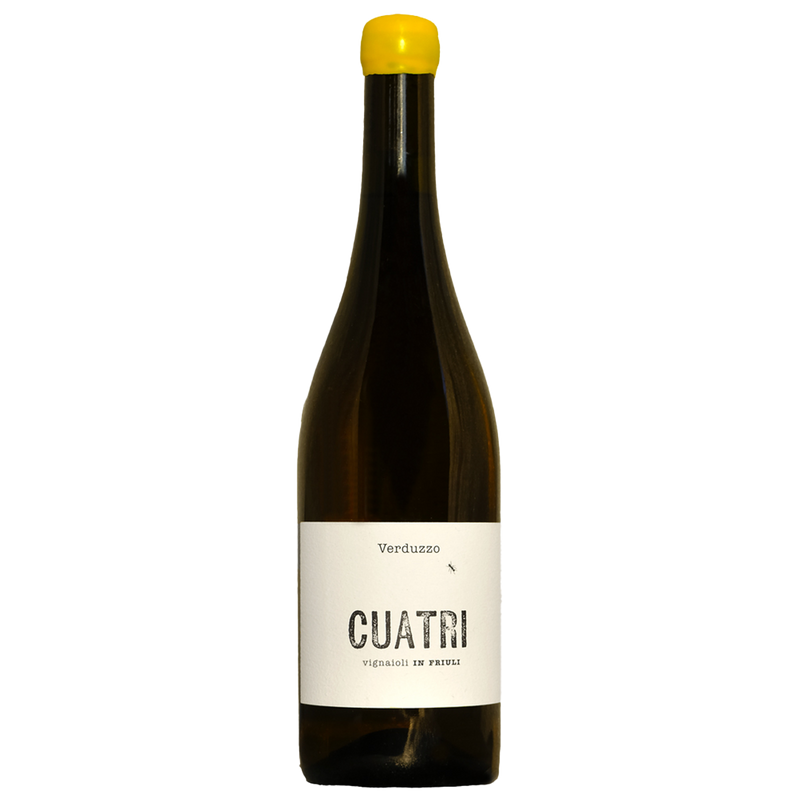
Verduzzo 2020 Quattri

Verduzzo 2020 Quattri

Verduzzo 2020

古代フリウリの品種が、琥珀に色づく。

フリウリの伝統品種ヴェルドゥッツォを、圧搾後に野生酵母で発酵させ、温度管理のもと約20日間醸しました。非常に深い黄色に琥珀色の反射。茶葉や蜂蜜の香りに、わずかにスパイシーなサンダルウッドとフェンネルシードのニュアンスが重なります。味わいは丸みがあり、豊かで調和がとれ、余韻が長く持続します。ハムやイチジクを添えた料理、風味豊かな魚料理、フォアグラや熟成チーズとも好相性。有機栽培です。

Item code

20W3135

Producer

Cuatri

Type

Orange

Region

Friuli-Venezia Giulia

Appellation

DOC Grave del Friuli

Vintage

2021

Grape varieties

Verduzzo 100%

Alcohol

12.5%

Volume

750ml

Certifications

Agriculture Biologique

Serving temperature

12–14°C

Recommended glass

White wine glass (larger bowl)

Tasting note

Its deep yellow colour has amber reflections and the typical aromas of Verduzzo from Friuli. It has aromas of tea leaves and honey, with a slightly spicy scent of sandalwood and a hint of fennel seeds. The taste is round, rich and harmonious, with a long, persistent finish. It is characterised by a robust flavour that reflects its maturity.

Food pairing

It pairs well with dishes sweetened with ham or fig, pasta dishes seasoned with meat or vegetables, fish dishes with savory sauces, white meats, and even foie gras and aged cheeses.

Winemaking & technical data

Terroir: The soils are of Cretaceous undulating origin, clayey and very calcareous, with a not very deep fertile layer (max. 40-50 cm) resting on rock layers mainly composed of calcium carbonate. The site is hilly.

Winemaking: The vineyards are cultivated according to certified organic methods, without any pesticides or unauthorized interventions. The grapes are harvested by hand after late ripening, sorted, boxed and then pressed.

This variety has an ancient Friulian tradition, the bunches are golden in colour, robust and powerful. After pressing, the grapes are left to ferment on their skins for around 20 days in a cool, temperature-controlled environment. The fermentation is very slow.

After maceration, the must and wine are statically separated and then stored in cement tanks where they are transformed into wine in a secondary process, during which the wine acquires its characteristic deep golden colour and undergoes several rackings, with particular attention to timing.

The aim is to ensure the proper retention of the lees, which favours volume, harmony and the development of secondary aromas. The long maceration and the use of wild yeasts are a return to tradition and aim above all to highlight the specific terroir, i.e. the area and its microclimate, surrounded by natural forests and hills. All steps are carried out in compliance with the standards of organic wine production.