Back to the product page

Cépages Wines

Technical Sheet
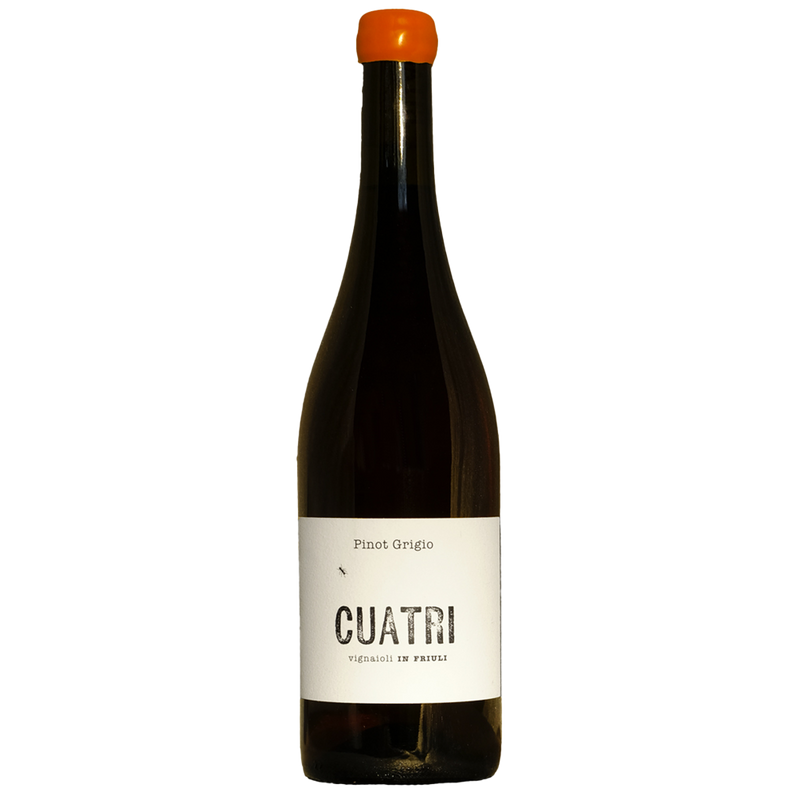
Pinot Grigio 2021 Cuatri

Pinot Grigio 2021 Cuatri

Pinot Grigio 2021

果皮が残した、鮮やかなロゼの色。

ピノ・グリージョを圧搾後に野生酵母で発酵させ、温度管理のもと約16日間醸したキュヴェです。果皮由来の鮮やかで濃いロゼの色合いが目を引きます。赤い果実やミントのヒント、洋ナシの香りに品種の個性がはっきりと表れ、口中にはわずかな酸と生き生きとしたフレッシュさ、良好な構造感。心地よいタンニンが長い余韻をすっきりとまとめます。スープやスパイシーな料理、赤身肉とご一緒に。

Item code

21W3136

Producer

Cuatri

Type

Orange

Region

Friuli-Venezia Giulia

Appellation

DOC Grave del Friuli

Vintage

2021

Grape varieties

Pinot Gris 100%

Alcohol

13.0%

Volume

750ml

Certifications

Agriculture Biologique

Serving temperature

12–14°C

Recommended glass

White wine glass (larger bowl)

Tasting note

It features a bright, deep rosé color. The nose has red fruits, hints of mint and pear, with strong varietal characteristics. In the mouth, it has a slight acidity, lively freshness, good structure, tannins and a dry feeling. The finish is long and lingering, with pleasant tannins that dry the mouth and leave a clean impression.

Food pairing

It goes well with meat and fish soups, spicy dishes, especially those with tomatoes and peppers, and is also recommended with red meat.

Winemaking & technical data

Terroir: The soils are of Miocene conglomerate origin, alluvial. They are calcareous, medium in structure and depth. The fertile layer is 60-70m deep.
The site is situated on bedrock and is hilly.

 Winemaking: The vineyards are cultivated according to certified organic farming methods, therefore without any pesticides or other unauthorized treatments. The ripe grapes are harvested by hand, early but perfectly timed.

The grapes are sorted, boxed, washed if necessary, then gently crushed. The crushed grapes begin to ferment with wild yeasts and the fermentation proceeds very slowly in a temperature-controlled environment. The grapes are then left to macerate on the skins in a cool, natural environment for approximately 16 days.

After the maceration is over, the wine is separated from the must using static methods, and the fermenting wine is then stored in cement tanks to undergo secondary processes and complete its transformation into wine.

After the wine has acquired its natural rosé colour, it is transferred at different times to maximize its volume and aromas by keeping it in natural contact with the lees. Long maceration and fermentation with wild yeasts are a return to tradition, but they aim to maximize the characteristics of the terroir (the area and its microclimate), especially in this forested hilly vineyard. All steps are carried out in compliance with the standards of organic wine production.